
From Anecdote to Data: Building a Global, Instrumented UAP Research Infrastructure
To the point
A presenter envisions a global, instrumented, open-data effort to study UAP that replaces anecdotes with shareable, multi-sensor observations and a common, standards-based database for cross‑validation, using tools like all-sky cameras, infrared, radar, RF, magnetometers and environmental sensors with precise timing and calibration, while tackling funding, politics, stigma, and security and pursuing accreditation to create a credible, collaborative science of UAP.
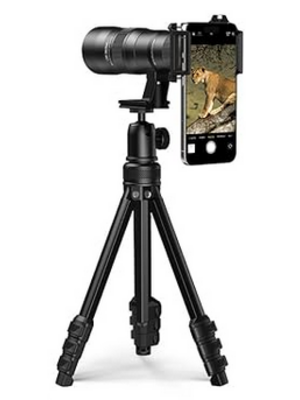



Rich Hoffman outlined a vision for a coordinated, global, instrumented study of UAP designed to replace anecdote with solid, shareable data. Drawing on decades of experience with the Army, SCU, MUON, and UAPX, his career spans field investigations, leadership in multiple research groups, and involvement in high-level international discussions. He traces instrumented study from Project Sign and Project Blue Book through later programs such as ATIP, the UAP Task Force, and Arrow, alongside private, open-data efforts in places like Hestinel Valley and SEPRA, arguing for a publicly accessible, collaboratively built data foundation. The goal is to consolidate disparate citizen-science data into a common repository equipped with advanced analytics while preserving uncertainties and allowing multiple working hypotheses. The talk emphasizes practical tools for citizen science—all-sky and high-speed imaging, infrared spectroscopy, radar and RF detection, magnetometers, and environmental sensors—coupled with precise timing and calibration to enable robust kinematic and spectral analyses. He calls for a federated global data architecture with standardized metadata, APIs, and tiered access, plus multi-sensor correlation pipelines to minimize false positives and enable credible cross-validation. Deployment ideas include pilot programs, layered hotspot detection, and globally distributed, tamper-resistant platforms that can operate autonomously while collecting data contributed by enthusiasts using smartphone apps and other accessible tools. Hoffman stresses the major challenges of funding, political instability, stigma, and data security, advocating for a neutral scientific coordinating body and formal accreditation to professionalize the field. The overarching message is to build a global, transparent, standards-based data ecosystem that can attract academia, funding, and citizen participation, much like astronomy has done with amateur contributions. In the Q&A, he underscores that the objective is rigorous science and trustworthy data rather than mere proof of existence, and he supports establishing accreditation and cross-disciplinary collaboration as essential steps toward a credible UAP research community.
Source: youtube.com