
IAA Revises SETI Post-Detection Protocols: First Revision in Over 15 Years, Emphasizing Multimodal Searches and Global Dialogue
To the point
Dr. Chelsea Haramia and Dr. Lucianne Walkowicz, joining Dr. Lauren Scroggs, announce that the International Academy of Astronautics has updated its SETI post‑detection protocols for the first time in over 15 years to reflect today’s broader information landscape and multi‑modal technosignature searches, expand duties for researchers and institutions, emphasize ethics, transparency, data sharing, peer review, and media engagement, invite ongoing global feedback, and establish a non‑prescriptive framework, while the Discovery and Futures Lab they chair explores how discoveries should be anticipated and communicated responsibly through social science and governance work on risk communication, public reaction to science, global representation, and even cultural signals like art and music in conversations with other life.




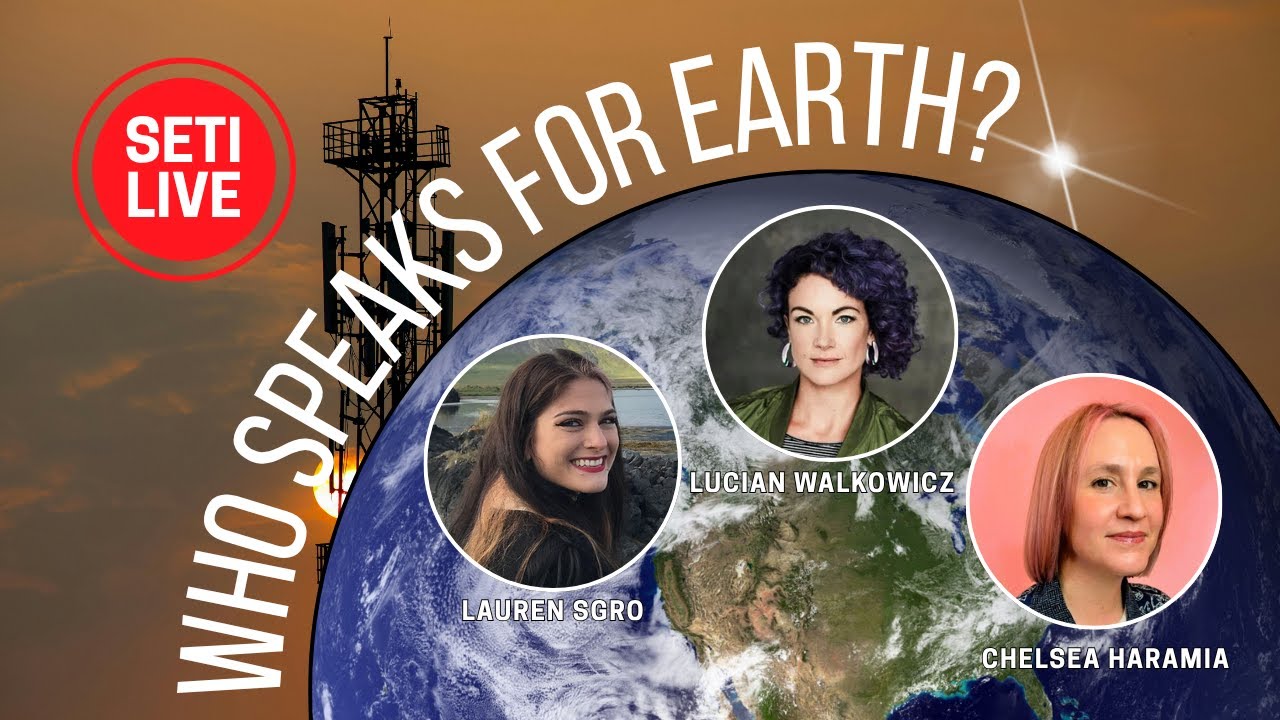
The discussion centers on the International Academy of Astronautics’ updated SETI post-detection protocols, the first revision in over 15 years, with Dr. Chelsea Haramia and Dr. Lucianne Walkowicz joining host Dr. Lauren Scroggs to elaborate. They note that the updates reflect a dramatically different information landscape, scientific goals, and global context since 2010, and that the document is intended to evolve rather than be a final word. Key changes streamline the language and expand responsibilities for both individual researchers and institutions in how to respond, including guidance on media engagement and safeguarding scientists. The revisions also strengthen the case for consulting with ethics and legal experts and emphasize transparency, data sharing, peer review, and intersubjective verification. There is a clear acknowledgment that searches now employ multiple modalities—beyond radio—to listen for a wider range of technosignatures, reflecting a broader scientific landscape. The protocols remain non-prescriptive and explicitly invite ongoing community feedback and international dialogue, recognizing the challenges of global coordination in responding to any potential discovery. The Discovery and Futures Lab, chaired by Walkowicz and Haramia, explores the discovery process from social science and humanities perspectives, aiming to anticipate how discoveries unfold and how to communicate them responsibly before they occur. They discuss concrete research paths, such as best practices in risk communication, studying public reactions to science in the age of misinformation, and developing governance around global representation and messaging—extending considerations beyond SETI to astrobiology and nonhuman intelligences. The lab also examines messaging ethics, potential representations of humanity, and the ways art, water, and music might serve as meaningful cultural signals in conversations with other life, while acknowledging the limits and uncertainties inherent in such undertakings. Viewers are invited to learn more about the lab through its website, and to engage with the ongoing conversation by liking, sharing, and subscribing.
Source: youtube.com