
Disclosure Day: An Earnest, Imperfect Synthesis of UFO Lore and Reality
To the point
Steven Spielberg's Disclosure Day is an imperfect yet sincere effort to weave fifty years of UFO lore into one story and to invite curiosity about a complex reality rather than offer a flawless thriller or definitive proof.
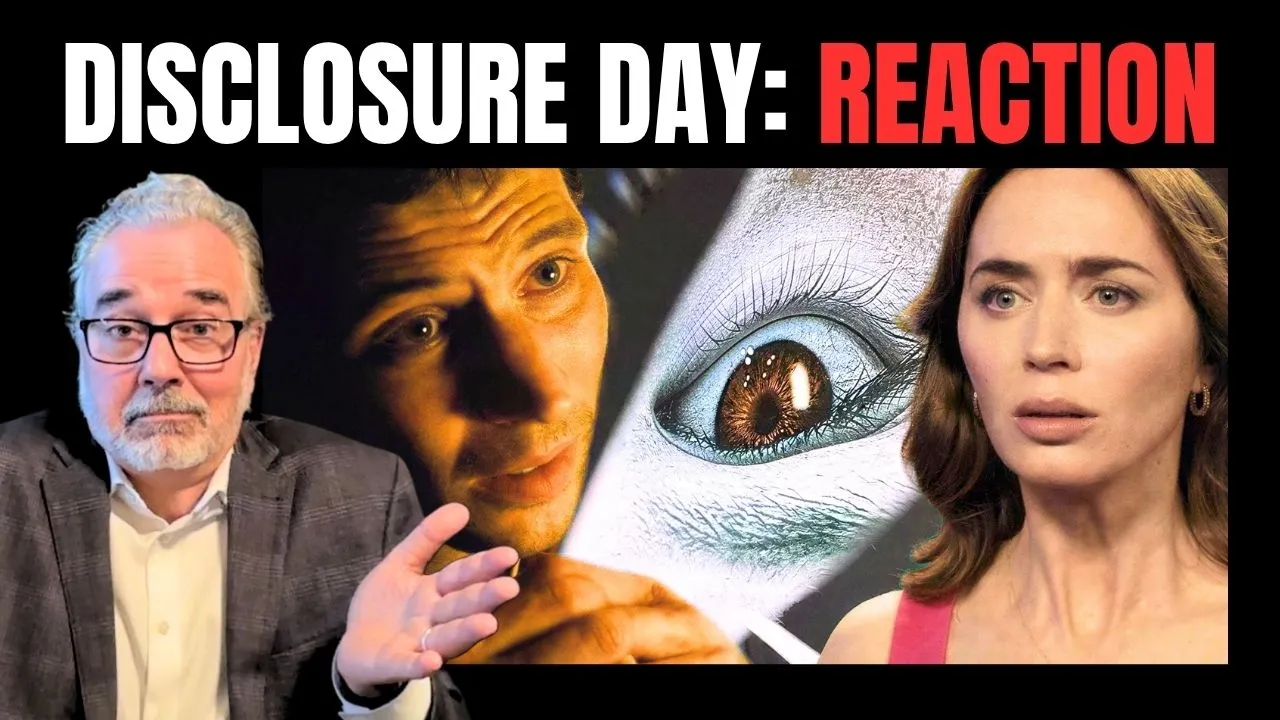
Entering Disclosure Day with low expectations, I was surprised to find I somewhat enjoyed it despite recognizing its flaws. The theater experience felt sterile and anti-social, with previews that underscored a sense of dwindling spectacle. Critics may fault the plausibility and pacing—especially the chase sequences and the bumbling government agents—but Spielberg’s approach of weaving fifty years of UFO lore into one narrative resonated, including references to Roswell, the Kecksburg crash, the Nixon/Joseph Gleason thread, and ideas about consciousness, telepathy, and remote viewing. I didn’t see it as a flawless thriller or a definitive disclosure narrative, but as an artist’s attempt to piece together reality from cultural fragments and history. The characters felt understandable—the leads—unlike much contemporary Hollywood writing that often reads as ideological rather than psychological, which made my experience more forgiving. The broader issue, in my view, isn’t just the film’s content but the anger and disappointment surrounding disclosure and media, a pattern I also notice in reactions to recent UAP files. Perhaps we overreact because reality rarely aligns with our expectations, and adopting curiosity over certainty might alter how we respond to such mysteries. Ultimately, Disclosure Day isn’t Spielberg’s greatest work, nor a promised smoking gun, but it stands as a sincere, imperfect effort to assemble a complex reality, and that, for me, is enough.
Source: youtube.com