
Crash Retrievals and the Drive for Disclosure: Visualizing a Hidden UFO History
To the point
People believe secret agencies and a global elite hide hundreds of UFO crash cases (and even bodies), that releasing declassified information could unlock new technology, and that Leonard Stringfield pioneered collecting eyewitness crash accounts while Dr. J. Allen Hinck and Mark Rodiger visualize them to push for disclosure.


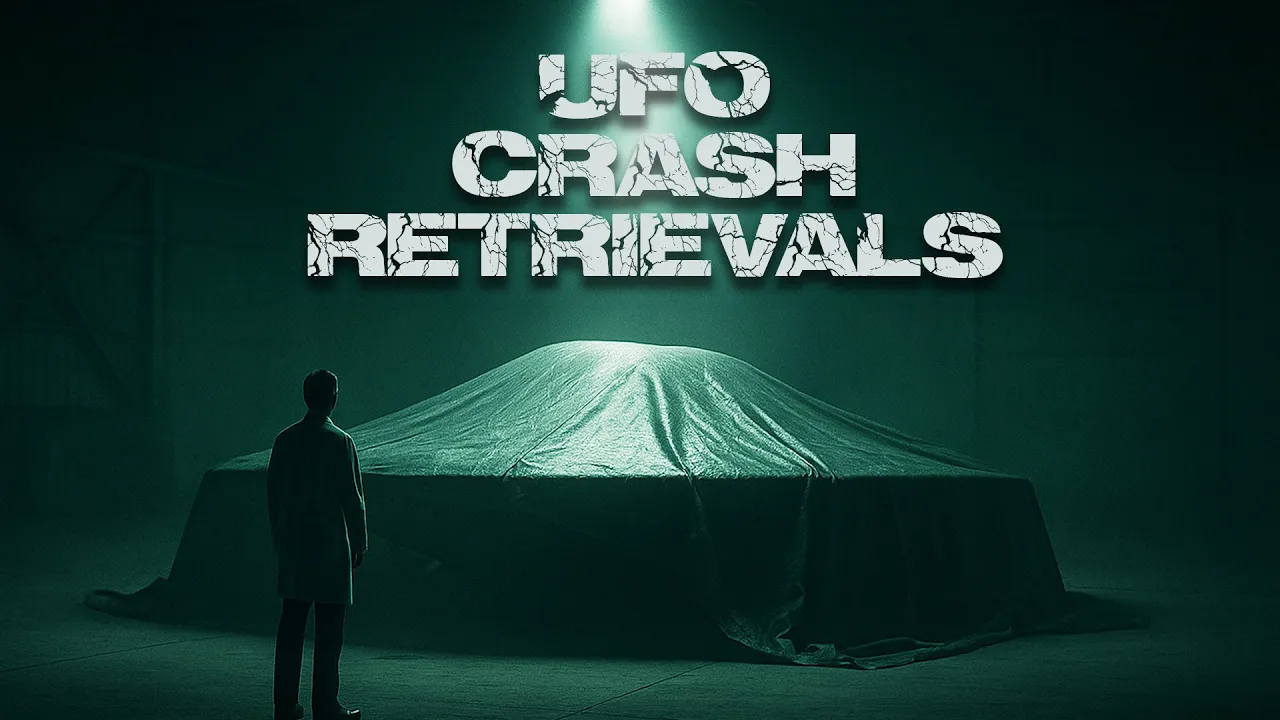
A circulating narrative argues that hundreds of UFO crash retrieval cases remain out of public view, with covert agencies quickly concealing unidentified craft and even bodies, leaving behind questions about what truths lie buried. A transnational power elite or cabal is said to control this information, with declassification framed as a path to access the hardware that could revolutionize technology and perhaps save the planet. The case is presented as real rather than fictional, with independent corroboration cited, yet the subject is described as proprietary rather than openly classified. Central to the story is Leonard Stringfield, the pioneer who collected firsthand military accounts of crash recoveries, autopsies, and the transport of craft to Wright Patterson Air Force Base, and who coined the term “crash retrievals.” Researchers like Dr J Allen Hinck and Mark Rodiger at the Center for UFO Studies have worked to preserve and visualize these cases with full-color renderings, aiming to illuminate a hidden history of national significance. Representative cases span 1942 near Georgia, where a 15-foot craft and four small beings were reported; 1947 Roswell with an egg-shaped craft, two deceased beings, and a survivor; 1952 basement sightings at the Pentagon; and 1953 hangar-area recoveries, all described by firsthand witnesses and medical personnel. Autopsy reports describe bodies with oversized heads, almond eyes, emaciated frames, and one-piece suits, which investigators then translate into detailed drawings of the beings and the craft’s inner structure and markings. The drive to conceal, it’s argued, stems from the prospect of reverse-engineering propulsion and energy systems, with rogue deep-black programs spread across multiple bases and shielded from congressional oversight. Ultimately, the effort is to honor Stringfield’s legacy by transforming testimony into accessible visuals, reassembling a historical narrative that could pressure accountability and disclosure.
Source: youtube.com