
UAP Disclosures Under Scrutiny: Legacy Programs, Legal Limits, and Responsible Inquiry
To the point
Gerb, Ker, and Rob host a lively, viewer‑driven discussion about UFO/UAP developments, Obama’s and Trump’s alien remarks, declassification limits and the Atomic Energy Act, hype around 2027, Project Gravitar with Bob Lazar and Luigi Vendetti, the crash‑retrieval/legacy‑program web and contractor roles, and how to verify sources (Leslie Keane, James Fox), ending with an invitation to join their Discord for ongoing, responsible discussion.

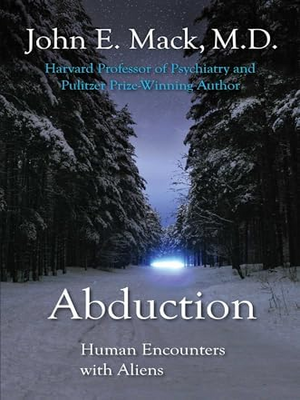
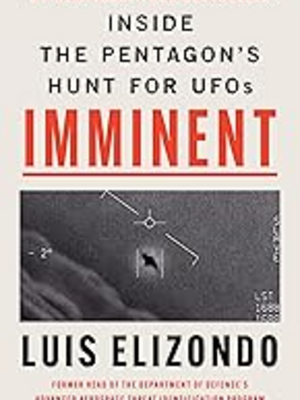

A lively, meaty discussion unfolds as a trio of researchers—Gerb, Ker, and Rob—guide viewers through current UFO/UAP developments, recent projects, and personal encounters, with guests and audience input fueling the conversation. They cover Obama’s and Trump’s recent remarks about aliens, the White House push to declassify related files, and the tension between executive orders and the legal-bureaucratic framework that governs what can actually be released, including the complexities of the Atomic Energy Act and sensitive data housed in various agencies. They also explore the hype around 2027 and related “imminent threat” memes, weighing the possibility of information operations or strategic messaging designed to shape budgets and policy, while remaining skeptical about a straightforward, imminent disclosure. A substantial portion is devoted to the Project Gravitar documentary and the Montreal/Austin show experiences—Bob Lazar’s appearance, Luigi Vendetti’s reconstructions of S4, and the presence of UFC star George St. Pierre, all framed as a striking example of high-production disclosure efforts that provoke both wonder and critical scrutiny. The conversation then delves into the architecture of legacy UAP programs, detailing how structures like SAF AAA, SAF AQ, the Rapid Capabilities Office, and federally funded research and development centers (FFRDCs) such as MITER operate in a layered, often opaque web that can obscure funding, procurement, and contractor roles, including the role of plants like Air Force Plant 42. They debate who truly controls crash-retrieval and derivative-vehicle programs, the limits of executive power to compel disclosure, and the risk that some information will be released in a way that reveals little while masking deeper security concerns. The panel cautions against oversimplified disclosures, warns of Robertson- and Blue-Book-style rearguments, and discusses oversight remedies, including potential use of SEC enforcement or other avenues to hold contractors accountable. In a practical vein, they offer starter sources for newcomers—Leslie Keane, James Fox, and classic works—while warning that much creator content may be a mix of genuine signals and curated narratives that require careful verification. They close by inviting ongoing engagement, planning future collaborations, and suggesting listeners join their Discord for deeper discussions, with a focus on responsible disclosure, whistleblower protection, and shadowed realities behind the history of crash retrieval and legacy programs.
Source: youtube.com