
Avi Loeb's Call for a Proactive Search for Extraterrestrial Life: Habitable Worlds Observatory, Technosignatures, and Open Data
To the point
Vast numbers of stars with Earth-like worlds make intelligent life plausible, so Avi Loeb argues we should actively search for evidence—via projects like a Habitable Worlds Observatory and the Galileo Project, open sharing of unidentified aerial phenomena data, and the hunt for technosignatures and related artifacts—while warning of risks from mirror-life and AI and urging Elon Musk and the public to stay curious and invest boldly.

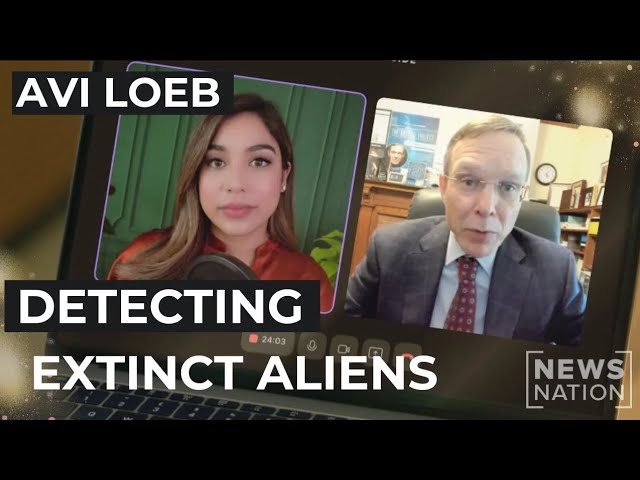
In conversation with Natasha, Avi Loeb argues that given the sheer number of stars with Earth-like planets, intelligent life beyond Earth is plausible and we should actively search for evidence rather than assume we’re alone. He has taken concrete steps toward that goal, including proposing a Habitable Worlds Observatory to hunt microbial biosignatures while urging attention to signs of intelligent civilizations and even funding efforts to look for technosignatures. The discussion of Oumuamua, the first interstellar visitor, centers on it being possibly engineered debris rather than a purely natural object, with competing explanations but a leaning toward the possibility of technology-based origins. The Galileo Project aims to monitor the entire sky continuously, applying machine learning across infrared, optical, radio, and even audio data to classify unfamiliar objects and eventually measure their distances via triangulation. Loeb contends that data on unidentified aerial phenomena should be shared openly rather than concealed for political or security reasons, though he acknowledges initial classification may reflect caution about adversaries or commercial motives. He warns about risks ranging from mirror-life chirality to artificial intelligence that could surpass humans, urging both curiosity and caution as we probe the unknown. He envisions finding evidence not only of distant civilizations but also space debris or artifacts left by advanced technosignatures, including small interstellar objects near the Sun or larger remnants of megastructures, and even speculates life may have begun on Mars before Earth. His message to Elon Musk and the public is to sustain childhood curiosity, invest boldly in a dedicated search for intelligent life, and consider that our cosmic neighbors may be closer and more informative than expected, potentially guiding humanity’s future.
Source: youtube.com