
Rice University’s Archives of the Impossible: Building a Global, Provenance‑Driven Collection of Anomalous Experiences
To the point
Rice University's Archives of the Impossible and Center for the Impossible, led by Amanda Focke under Jeffrey Kripal's vision, collect and preserve accounts of unusual experiences with strict provenance and ethical access, using AI-assisted transcription overseen by humans to create a global, publicly accessible scholarly resource that supports researchers and collaboration worldwide.


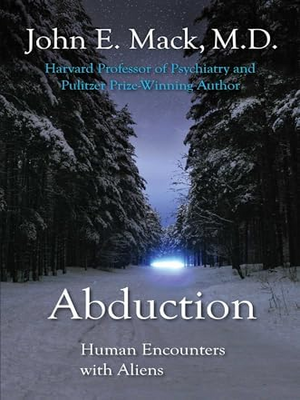
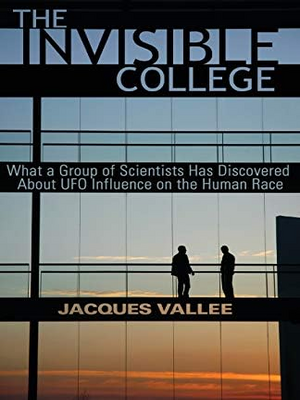
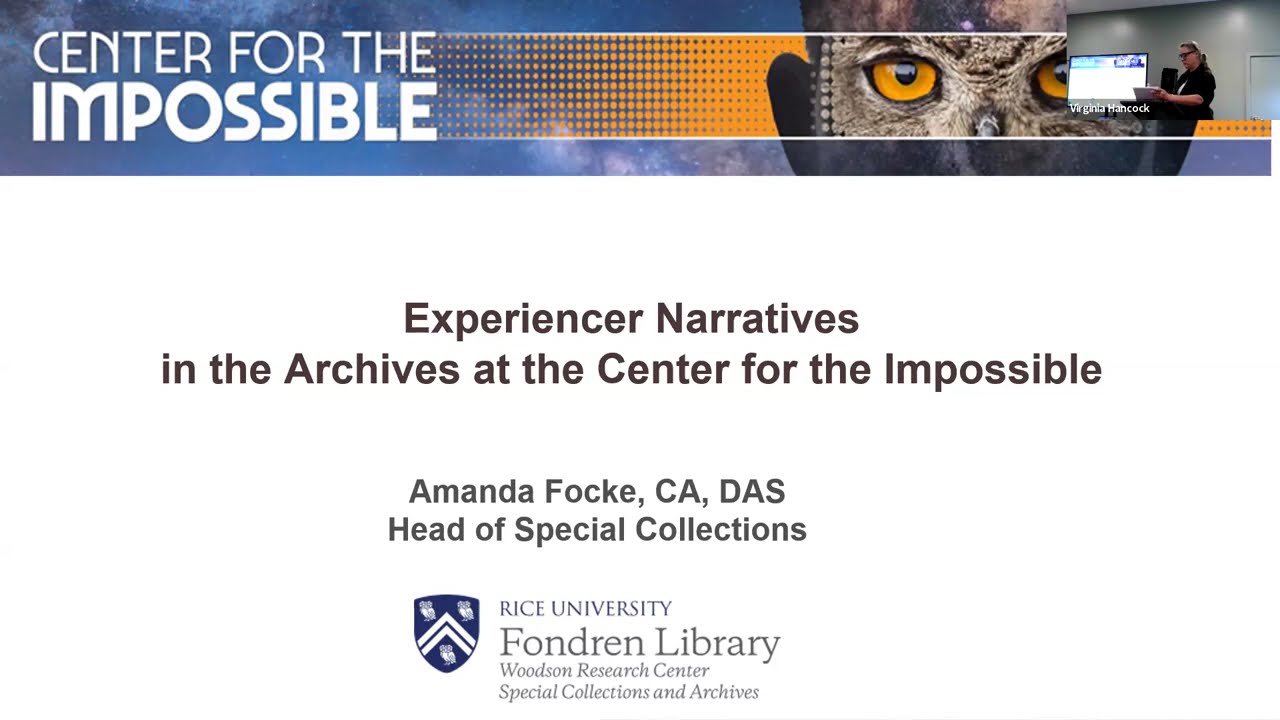
The talk spotlights Rice University’s Archives of the Impossible and the Center for the Impossible, a pioneering effort to bring experiencers’ anomalous experiences into scholarly view while remaining grounded in rigorous inquiry. Spearheading the archives is Amanda Focke, a Houstonian archivist who has led Fondren Library’s work related to the Center for the Impossible since 2002, rising to head of the department and guiding the care of a vast, evolving collection. The Center, rooted in Jeffrey Kripal’s vision, has compiled well-documented materials that challenge materialist assumptions, amassing over a million documents, recordings, drawings, and objects from researchers, experiencers, and caretakers. The archives feature Whitley Strieber’s letters, Jacques Vallee’s papers, and the John Mack archive, alongside Brenda Denzler’s ufology materials, Ed May’s remote-viewing papers, and numerous interviews with pilots such as Richard Haines. Provenance is central: collections come directly from their creators or caretakers, with finding aids online that describe materials at the folder level to ensure traceable origins and solid scholarly context. The mission is to build a global meta-collection of anomalous experiences, stewarding experiencers’ narratives with ethical access, public education, and research support, while carefully anonymizing sensitive information. Digitization and AI-assisted transcription are advancing, but always under human oversight in secure, local environments; progress includes thousands of letters transcribed and a path toward finishing this summer to enable broader online access and anonymization. The project aims to offer data dashboards and natural-language search tools to help experiencers compare patterns and to empower researchers with deeper phenomenological analysis, including collaboration with data partners like NUFORC for complementary visualizations. Public-facing initiatives include an AMC series, a window installation on campus inspired by Streiber’s letters, and ongoing outreach, with Jeff Kripal and other scholars anticipated to participate in future events. This work marks a cultural shift toward openly examining extraordinary experiences within academia, positioning Rice as a hub for serious exploration of the impossible and inviting collaboration with researchers worldwide.
Source: youtube.com