
Debrief, Data, and the UAP Task Force: Multi-Sensor Analysis in Naval UAP Investigations
To the point
Naval aviators report suspected UAPs, preserve data, and file detailed location, altitude, speed, and sensor information to a UAP Task Force, whose multi‑sensor database compares observations and guides follow‑ups, while some cases remain unexplained or plausibly attributable to drones or sensor artifacts, and Alexi and Dr. Winstrom emphasize careful, calibrated analysis and ongoing data collection.



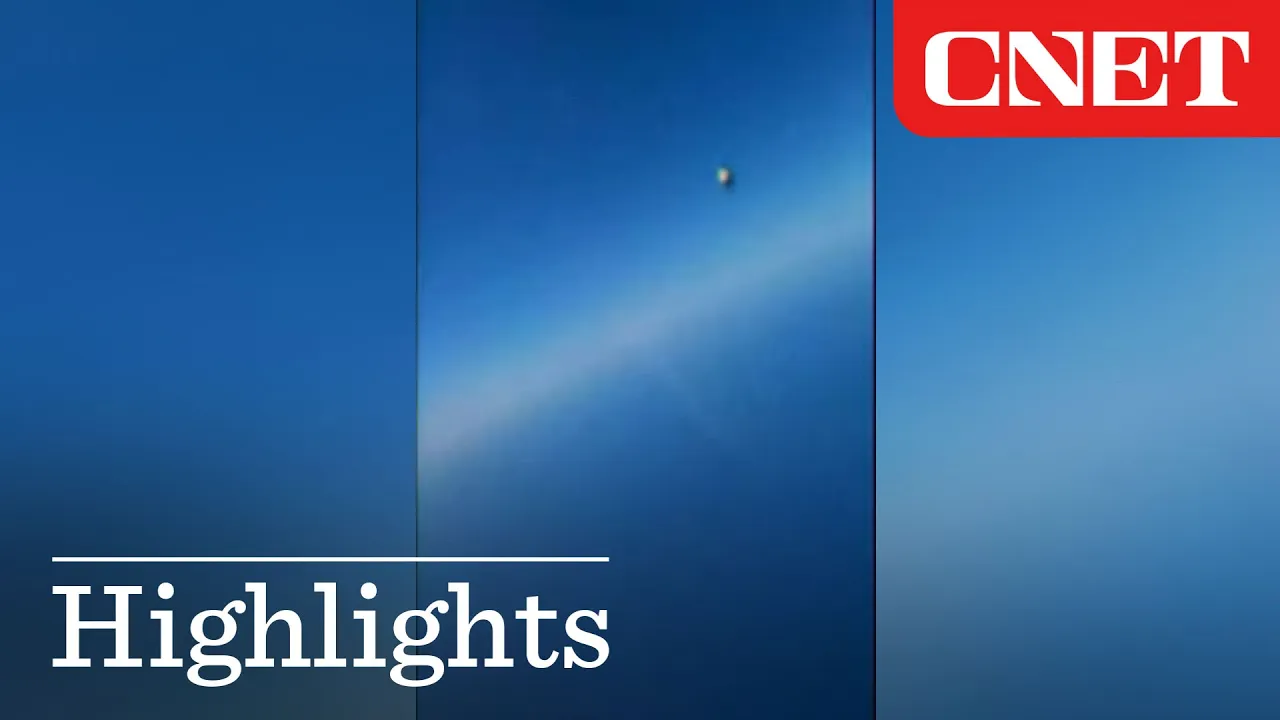
When a Navy aviator detects a potential UAP, after landing they debrief with an intelligence officer who ensures data preservation and guides the filing of a detailed form with location, altitude, speed, and sensor data to be shared with both the operational chain of command and the UAP Task Force. The Task Force then aggregates this information into a database for cross-comparison with other observations, often prompting follow-up questions to clarify particulars. The ODNI’s 2021 unclassified report notes 144 UAPs observed from 2004 to 2021, about 80% of which were captured on multiple instruments, highlighting the value of multi-sensor data. In one case shown, a spherical object appears near a Navy training-range aircraft, captured on video as it passes by the cockpit, with no definitive explanation at this moment. The discussion emphasizes that while many cases lack a conclusive explanation, a subset exhibits unusual flight characteristics or propulsion signatures that remain difficult to account for with the available data, and sensor artifacts are possible explanations for some. It is stressed that no known foreign adversary can move objects without discernible propulsion, though some events may reflect signature management or other unexplained factors given the data. A central method for avoiding technological surprise is to rely on calibrated sensor assumptions, recognizing that multi-sensor data often informs conclusions while avoiding premature origin claims. Regarding the two videos showing small triangles, the working hypothesis is that they are commercial drones seen through night-vision optics, and the Task Force has pursued studies to reproduce the effect to test this explanation. The testimony, delivered by Alexi and Dr. Winstrom and punctuated by questions from Mr. Break and Mr. Bray, underscores ongoing data collection, analysis, and the careful handling of uncertainties in pursuit of understanding UAPs.
Source: youtube.com