
Transformation 2026: Strieber's Expanded Encounters with Visitors and a Cautious Post-Disclosure World
To the point
Transformation 2026 argues that decades of intimate encounters with nonhuman visitors have reshaped Whitley Strieber’s family, worldview, and the public conversation about UAP, adds new material such as a letter from his seven-year-old son, and shows how ongoing telepathic contact and a complex mix of cooperation and risk change how humanity understands these beings, urging careful, non-demonizing disclosure and ethical engagement as society faces shocks, new technologies, and profound shifts in science, religion, and daily life.

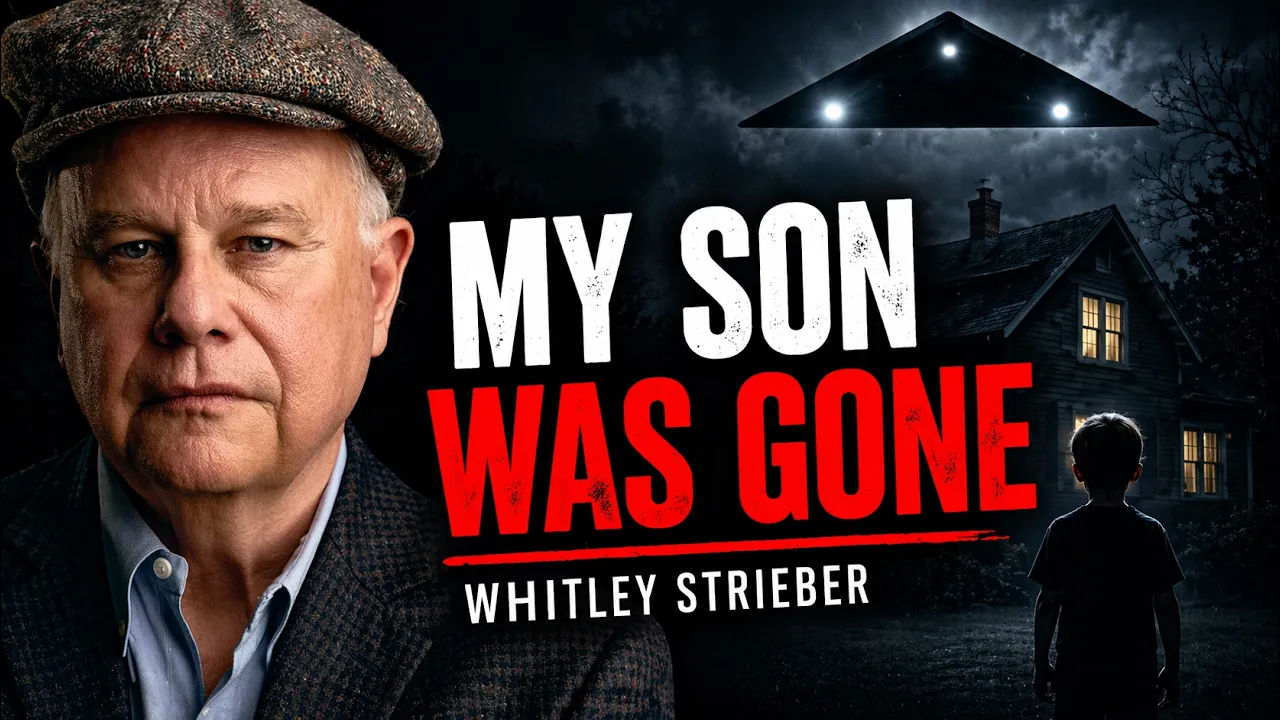
Whitley Strieber’s updated Transformation 2026 expands on decades of intimate encounters with the visitors, adding new material and commentary, including a letter from his seven-year-old son, to show how these experiences have reshaped his family, worldview, and the wider public conversation about UAP. The book goes beyond Communion by detailing how the visitors have entered their lives and how they communicate—often telepathically and from the home rather than only in the woods—creating a complex, evolving relationship that has even influenced his writing. He recalls a pivotal late-night episode in which he found his son’s room empty, witnessed three beings, and saw a triangular dark region in the sky, a fear-filled moment that underscored the potential cost of these encounters for a family. Transformation 2026 also addresses the broader social and political implications of disclosure, the ridicule families face, and the profound ontological shocks that scientists, religious communities, and economies would endure as humanity is asked to confront beings who are neither demons nor angels but extraordinarily capable and varied. Strieber argues for a careful, non-demonizing approach, emphasizing that these beings are not supernatural in a moral sense but are nonetheless different and demanding of new kinds of understanding and boundaries, with some beings appearing cooperative while others pose risks. He describes hybrids, ongoing telepathic contact, and a long-standing collaboration with certain visitors on his work, while acknowledging that others have faced danger and disappearance, including real-world cases that connect to a rumored hybridization program. The discussion touches on how public perception, including statements by figures like J. D. Vance and Vatican dialogue, matters, but Strieber cautions against equating the visitors with demonic forces and notes the difference between government disclosure and personal, experiential understanding. He suggests that the post-disclosure era will bring shocks across science, religion, and everyday life, including the emergence of telepathy and radically new technologies, and concludes with a practical, ethical message: humanity can adapt, but must proceed with deliberate caution and a willingness to negotiate what we will accept and how we will engage with these beings.
Source: youtube.com