
The Cosmic Watergate: Secrecy and the Quest for UFO Disclosure
To the point
UFO secrecy in the United States has persisted for decades, driven by Watergate-era distrust and Cold War security fears, with hints of Jimmy Carter disclosures and Ronald Reagan’s remarks, while the debate pits keeping information hidden against the hopeful idea that a shared extraterrestrial threat could unite humanity.
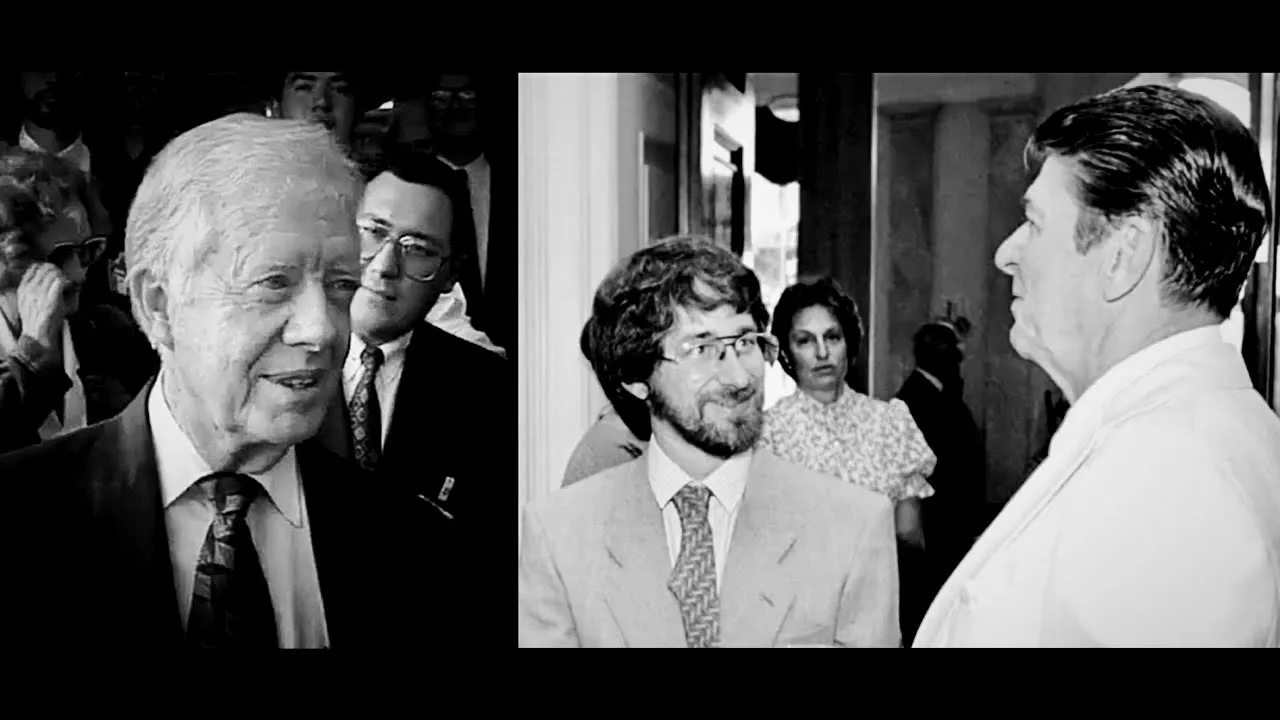
A cosmic Watergate has been unfolding for about 25 years, with the government seemingly still growing up and perhaps eventually sharing what it has learned about UFOs. There are rumors, tied to a US News and World Report piece, that Jimmy Carter might reveal unsettling UFO disclosures in December, a timing echoed by the release of a film. Carter reportedly observed a UFO sighting twice, including a 1976 incident in which a bright light appeared in the western sky, moved closer, changed color, lingered above the treetops, and vanished, and he expressed a desire to release information to the public and scientists, though how much was released remains unclear. Why do many responsible people accuse the US government of a cover-up? Because Watergate-era distrust lingers, and during the Cold War there was a fear that UFO reports could clog communications and mislead NORAD, a concern reflected in the Robertson panel’s assessment. In a White House screening room, Ronald Reagan thanked the filmmaker for bringing ET to the White House, noted that some attendees knew everything on screen was true, and joked with Nancy Reagan about the length of end credits. That moment underscores a hopeful idea: if humanity faced an external threat from outer space, our differences might dissolve in the face of a common danger. Dr Heinik and others point to various reasons for withholding UFO information beyond the FOIA, while the dialogue as a whole keeps alive the tension between secrecy, curiosity, and the possibility of transformative discovery.
Source: youtube.com