
Exotheology: Dr. Joel Parkin's Call for a Disciplined Theological Response to UAPs and Non-Human Intelligence
To the point
Dr. Joel Parkin argues that encounters with non-human intelligences may be a complex mix of phenomena, not simply aliens or demons, and he urges establishing exotheology as a disciplined field to help policymakers and churches navigate the civilizational, psychological, and religious implications.

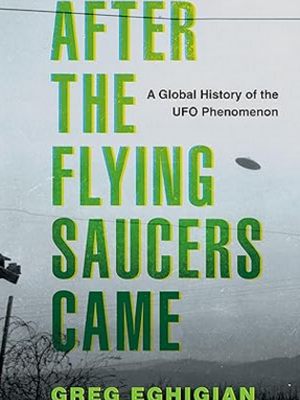
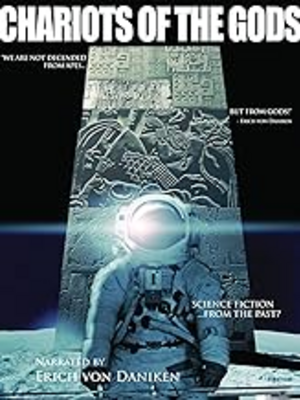
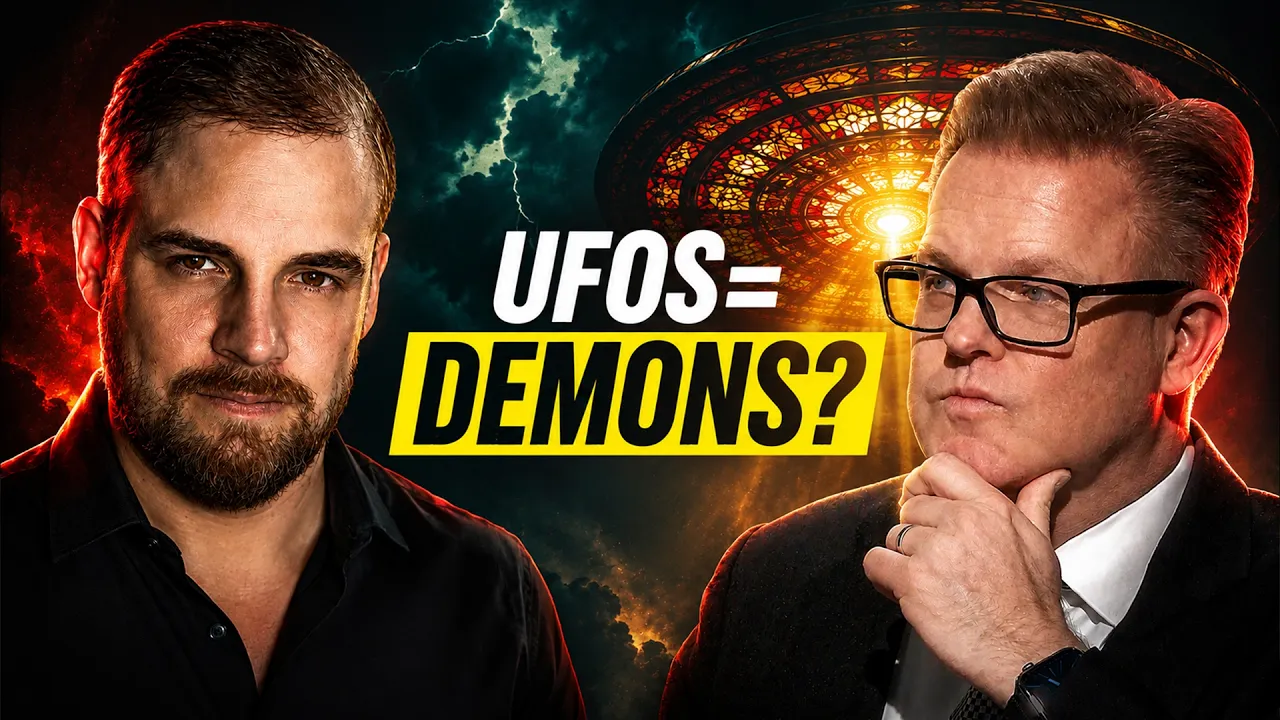
Humans have long looked to the sky and woven their answers into faith, but the era of UAPs challenges easy explanations, and Dr. Joel Parkin suggests we may be facing not aliens but demons, calling for a disciplined field of exotheology to guide understanding. Parkin, a former Marine intelligence analyst turned theologian, wrote Exotheology (2021) to explore intelligent extraterrestrials through a religious lens, aiming to equip modern readers for a scientifically advanced age. He argues that the conversation should extend beyond national security to recognize civilizational, psychological, and religious dimensions, urging theologians to join policy discussions. Christianity, he warns, is resilient to discovery but vulnerable to displacement if a superior non-human intelligence asserts authority over creation or afterlife concepts, with scenarios ranging from genetic interference to altered eschatological claims that could destabilize doctrine. He distinguishes discovery, disclosure, and contact as distinct processes, each with unique political, scientific, and theological consequences. The use of demonology as a blanket explanation is criticized as premature and unhelpful; instead, he advocates a nuanced approach grounded in eupology—the study of ufology—recognizing a complex, heterogeneous phenomenon with potentially multiple actors and motives. While the Vatican has not publicly disclosed insider knowledge, Parkin notes varying statements and urges cautious interpretation and greater Eupology literacy among religious leaders. He also discusses the troubling possibility of alien abductions, stressing moral concerns and the need to verify sources and motives given that some intelligences may hold agendas unlike human ethics. His recommendations to policymakers and churches center on studying eupology seriously, consulting knowledgeable advisers, and avoiding premature religious proclamations that could distort the broader truth about discovery, disclosure, and contact. The conversation closes with an invitation to follow his work, including Exotheology, as society confronts the potential transformation that could accompany any real encounter with non-human intelligence.
Source: youtube.com