
Disclosure and Oversight in UAP Research: The Extraterrestrial Question and National Security
To the point
Lou Alzando and Avi Loeb push for transparent, evidence‑based disclosure of any knowledge about potential non‑human life and retrieved technologies, with strong congressional oversight and careful declassification to balance transparency with national security.




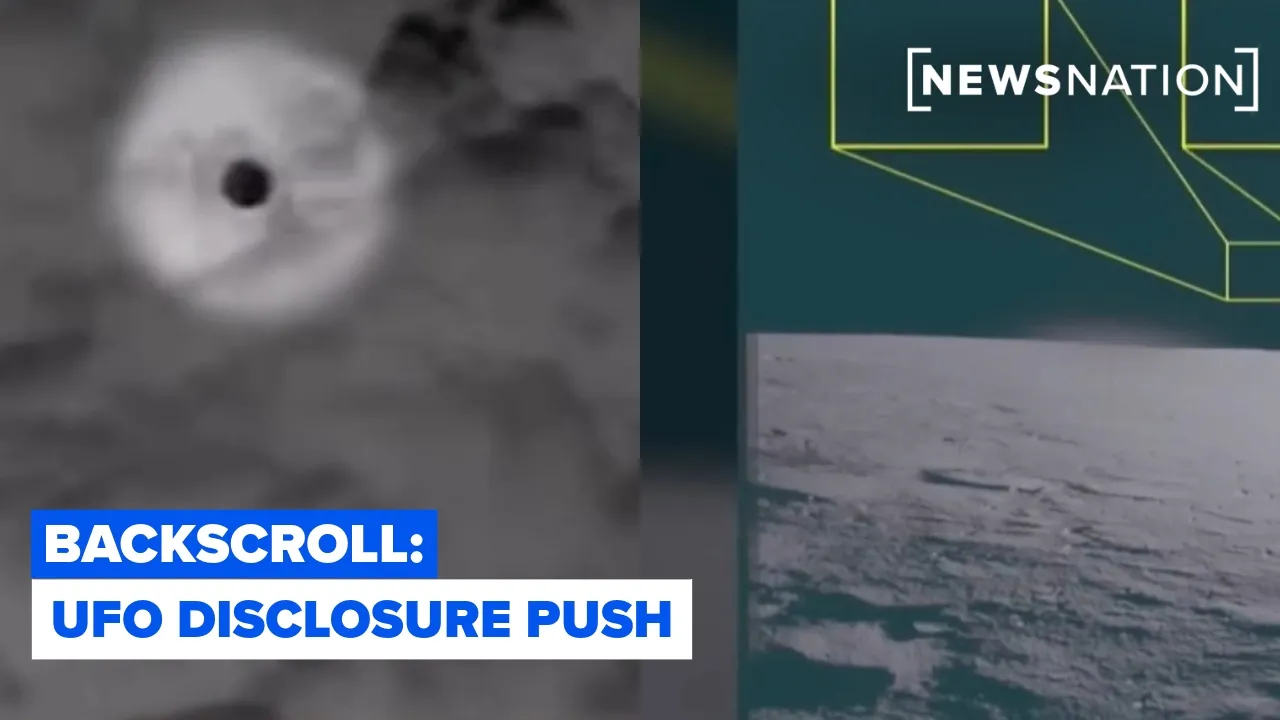
The conversation centers on whether the disclosure debate extends beyond technology to organic extraterrestrial beings that the government may know about, with Lou Alzando and Ross Coltart framing it as a potential, history‑making exposure of a cover‑up. They reference David Grush’s testimony about retrieved technologies and biologics, and warn that foreign adversaries could be listening in on UAP research, complicating the national security landscape. Tim Burchett pushes for accountability and funding clarity, insisting the discussion isn’t about tin‑foil hats but about what has been done with taxpayers’ money, while acknowledging the possibility that some claims of non‑human life could have enormous implications if proven. Avi Loeb and Jordan Flowers urge caution and demand solid evidence, noting it’s plausible there are non‑human intelligences or plasmoid life, but stressing that data do not yet confirm such claims and that security concerns must guide what is released. They call for better data collection, sensors, and archival records, while recognizing that releasing sensitive information could risk national security, making a careful balance essential. Ryan Grace and Admiral Tim Galedet then advocate for rigorous congressional oversight and for lifting NDAs so whistleblowers can testify, arguing that trillions in spending and secret programs demand scrutiny and noting the CIA’s relative silence in released materials. The panel underscores that secrecy can enable misdirection and that declassification should proceed through formal processes to safeguard accountability without compromising defenses. The discussion closes with a shared sense that more disclosures are likely but that the public’s transparency must be pursued in a way that aligns with national security and ongoing investigations.
Source: youtube.com