
UAP and National Security: From Stigma to Rigorous Analysis Under the DoD’s Arrow Initiative
To the point
Unidentified aerial phenomena are discussed as a national security issue, with stigma around UFOs even as Navy pilots like Ryan Graves testify to real effects, and Dr. Douglas Bner emphasizes imagery analysis—using orbital data, ADS‑B, and radar—to distinguish familiar aircraft from unknowns as part of DoD and IC efforts like Arrow, while cases in Connecticut and New Jersey show how data gaps and competing explanations such as balloons, drones, weather, or potential DoD experiments can keep some sightings unresolved, media coverage remains mixed, and no biological evidence has been found, prompting a call for better data sharing and sensors to explore a spectrum from mundane to extraterrestrial.



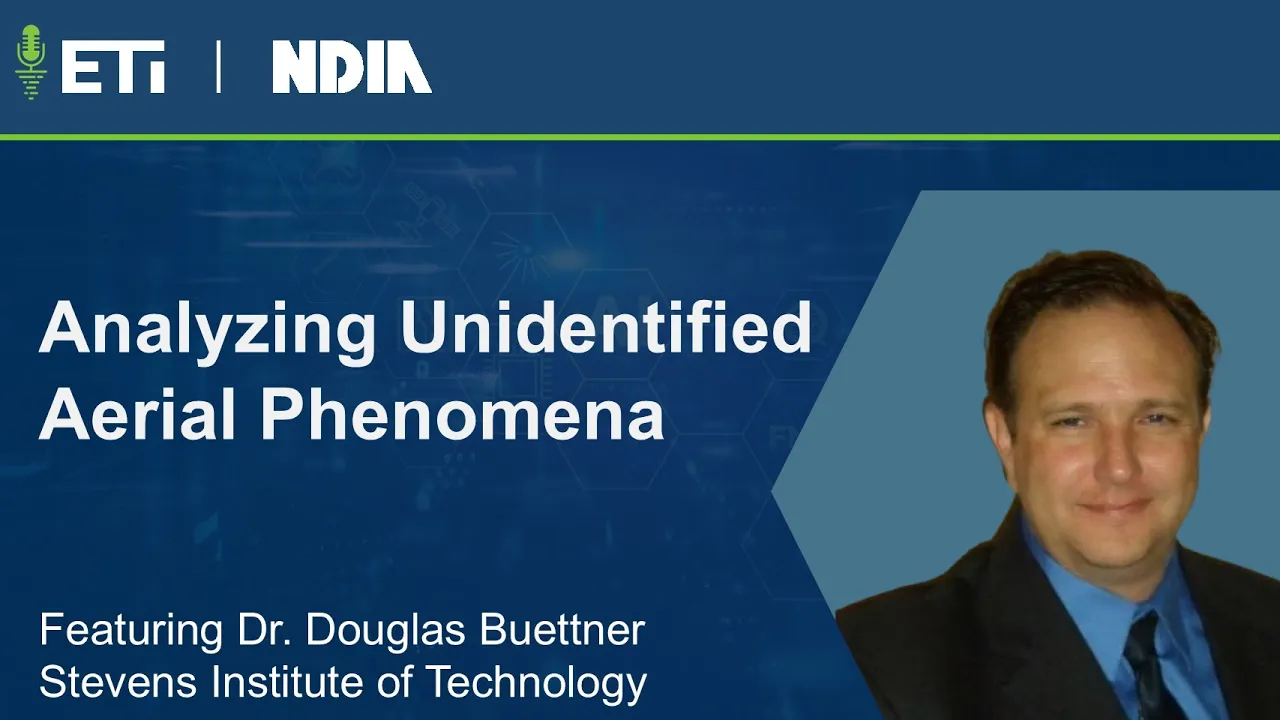
The discussion centers on unidentified aerial phenomena and national security, noting the stigma around UFOs even as Navy pilots like Ryan Graves testify to its real impact, and highlighting the Defense Department’s Arrow initiative to study anomalies across air, land, and sea. Dr. Douglas Bner, the Deputy Chief Scientist at the Stevens Institute of Technology, describes a circuitous path from Pentagon analysis to imagery work on UAP, shaped by family stories and fascination with data, including experience with misidentified Starlink satellites. He emphasizes imagery analysis as central, using orbital data, ADS-B, and radar to triangulate objects and distinguish familiar aircraft from unknowns, while acknowledging that several cases remain unresolved. Arrow is presented as an interagency effort under the DoD and IC with a congressional mandate to examine anomalies across domains and to synthesize sensor data with intelligence analysis. In a Connecticut case, a Fairfield County police officer filmed a pulsating orange orb near a reservoir; subsequent analysis linked to ADS-B and field measurements suggests it was more consistent with a distant balloon or similar phenomenon than a drone, though stigma and potential career repercussions complicate conclusions. A separate New Jersey case, along with other sightings, prompted investigators to weigh drones, aircraft, and other explanations, using radar and ADS-B data while facing uncertainty and noting that anti-drone technologies sometimes failed to resolve the question. The conversation also covers the influence of commercial drones, satellites, weather phenomena, and potential DoD experimental aircraft, underscoring how sensor limitations and data gaps complicate interpretation. Media coverage is acknowledged as mixed, with efforts at public education but varying levels of scientific literacy in reporting, and biological evidence remains elusive despite extensive imagery analysis. Ultimately, the speaker emphasizes a spectrum of explanations—from mundane terrestrial sources to speculative extraterrestrial possibilities—while calling for rigorous data sharing, better sensors, and careful, transparent inquiry.
Source: youtube.com