
Echo Flight and Oscar Flight: UFO Encounters with Nuclear Missiles and the Case for Disclosure
To the point
An ex-Malmstrom AFB launch officer explains that Minuteman missiles were controlled by higher authorities under NORAD with crews following coded launch orders, then recounts the 1967 Echo and Oscar UFO incidents that led to site closures and secrecy, and notes his later research with Robert Hastings and MUON investigators, citing Colonel Fred Mywald and Robert Jameson, while warning that today’s nuclear era carries greater risks and calls for disclosure.

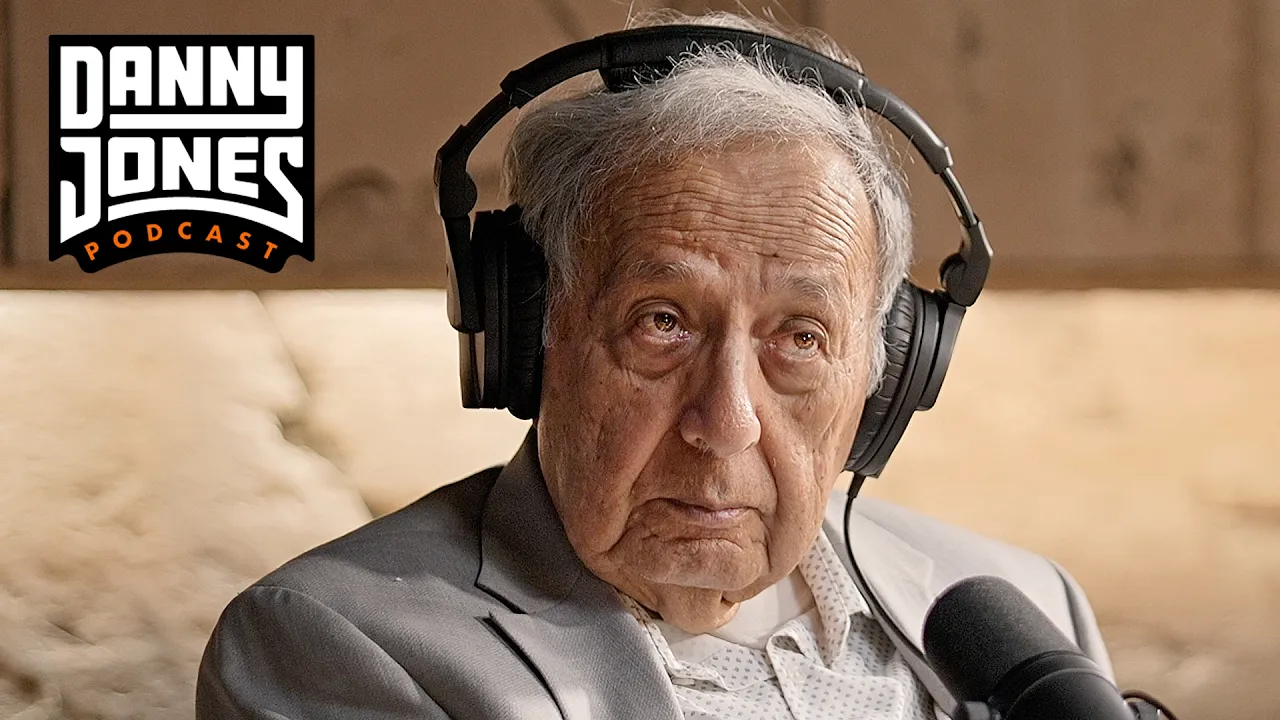
In the 1960s at Malmstrom Air Force Base, the guest served as a nuclear launch officer, monitoring and readying Minuteman ICBMs—about 150 missiles across several launch facilities—under the NORAD defense framework. He describes regular readiness checks, above-top-secret clearance, and a chain of command where decisions to launch would come from higher authorities, with crews executing coded orders rather than choosing to fire themselves. The March 1967 Echo Flight incident is recounted: guards reported UFOs hovering over missile sites, missiles going offline, incursion lights, injuries, and a rush to seal the sites, followed by an order to sign non-disclosure agreements. Eight days later, Oscar Flight saw similar UFO activity; Boeing later conducted a bench test suggesting a possible vulnerability in the guidance system, but there was no confirmed external EMP event and public disclosure remained limited for decades. He resigned in 1971, later working in aerospace and the FAA, and began researching these events more deeply, bolstered by connections with Robert Hastings and his work UFOs and Nukes, and with MUON investigators. He cites Colonel Fred Mywald as the commander during Echo Flight and notes corroborating testimony from witnesses like Robert Jameson about retrofiring missiles and the complex targeting process; later, he learned that Echo and Oscar were part of separate incidents eight days apart. He references other cases such as the Belt incident near a truck driver (Netherlands) and Vandenberg in 1964, framing a pattern of UFOs interfering with nuclear facilities, and discusses how Edward Condan’s UFO study era sought to minimize public discussion. Broader reflections center on today’s nuclear landscape—with nine nations possessing weapons, increased risks of miscalculation, and the possibility of rogue actors employing tactical nukes in regional conflicts—and on deterrence, launch-on-warning, and first-strike dynamics. He advocates for disclosure, claims there may be an international UFO cabal and private contractors guarding sensitive knowledge, disputes certain media reports like a Wall Street Journal piece, and remains open to congressional testimony while continuing to share his account on a YouTube channel.
Source: youtube.com