
Directive Eases NDA Restrictions While Avi Loeb Leads the National UAP Science Council to Review Classified Data and Guide Public Release
To the point
A new policy and a National UAP Science Advisory Council led by Avi Loeb will enable former federal employees to work with investigators and review data to pursue a data-driven assessment of UAPs, determining whether they are natural, human-made, or unknown and improving sensing and public disclosure.


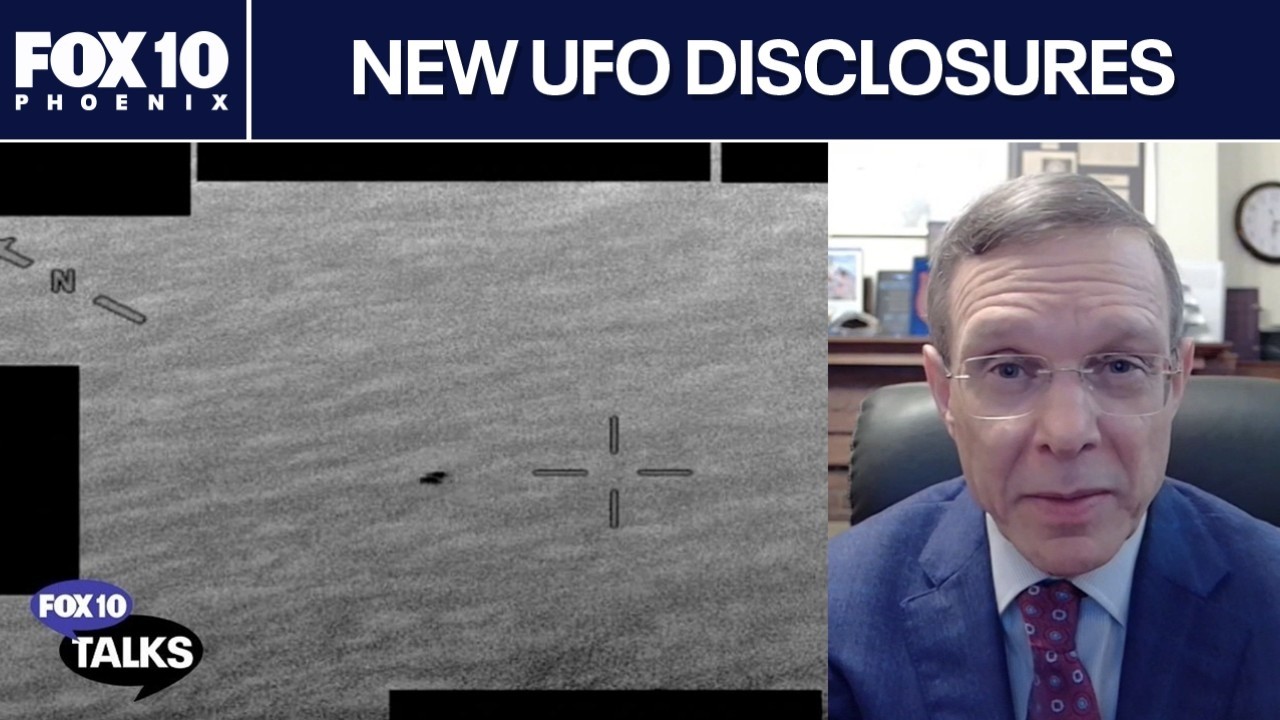
Two major developments this week reshape the UAP landscape: a directive allowing former federal employees and contractors to work with investigators and be released from non-disclosure agreements, and a defense budget amendment establishing a National UAP Science Advisory Council led by Avi Loeb to review classified data and advise on public release. This setup means informers can speak with the All Domain Anomaly Resolution Office or the Pentagon about what they know without facing legal repercussions, though disclosures of materials may remain classified. The latest tranche of released footage and images—though not offering a definitive smoking gun—highlights that UAP are a mixed bag, with some phenomena explainable by natural or man-made causes, such as cosmic-ray–induced artifacts and space debris like broken satellites and around 40,000 objects bigger than 10 cm orbiting Earth. There are open mysteries, including orbs that split and the Nimitz “tic-tac” reports, with hypotheses ranging from advanced lasers creating high-speed hotspots to genuinely unknown tech. Loeb, who leads the Galileo Project, was appointed to head the UAP science advisory council, and he has assembled roughly 18 scientists across physics, oceanography, data analysis, statistics, and psychology to study historic incidents and propose better sensing to determine distances and improve data. He emphasizes a downto-earth approach: even if some objects are human-made, understanding those technologies is valuable for national security, and if any non-human origin is confirmed it would be the biggest discovery in human history. The collaboration with government marks a new reality after decades of limited dialogue, and Loeb notes the process should be data-driven rather than sensationalized, a detective story with real potential. He expects progress within a year or a few years as better data and sensors come online, and he invites others with relevant information to come forward through the proper channels. The exchange ends with optimism and a promise to report back if something definitive is found, underscoring a commitment to pursue truth over hype.
Source: youtube.com