
Open-Science UAP Research: Multi-Instrument Validation, Crowdfunding, and a 3D-Printed ML Gimbal
To the point
An Albany physics professor leads a data-driven, open-science effort to understand UAPs by collecting multi-instrument data across multiple sites, collaborating with Kevin Day and Gary Voorhis of UAPx, using machine-learning guided cameras to corroborate sightings, and treating the phenomena as a mix of misidentifications, human tests, and possible non-human effects while pursuing credible answers within a couple of decades.

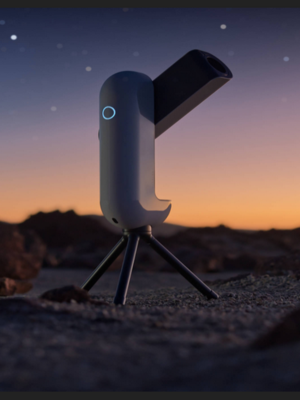


A physics professor at the University at Albany and longtime researcher in computational astrophysics turned his attention to UAPs around 2015, inspired by the Nimitz encounter and later the New York Times revelations about the AATIP program, and he now collaborates with UAPx, founded by Navy veterans Kevin Day and Gary Voorhis. He notes that some reports describe craft moving at spacecraft speeds and undergoing accelerations of thousands of g, prompting theories about space-time effects or extraordinary propulsion, while stressing the need to validate data with multiple instruments. The energy puzzles are stark: estimates for certain maneuvers reach about 1,000 gigawatts—more than the U.S. nuclear output—and where that energy goes when a craft stops remains unexplained, raising serious questions about data accuracy and physics. His team employs infrared, visible, radar, and radio measurements alongside machine-learning driven multi-camera systems to corroborate sightings from hotspots such as off Catalina Island, Puerto Rico, Long Island, Wales, and Australia. He recounts formative experiences—from growing up amid space-age inspiration to a cattle mutilation event in Montana in 1988 and warnings from Malmstrom AFB personnel about UFOs near nuclear missiles—that collectively seeded his commitment to evidence-based inquiry. He argues that academia’s skepticism stems from scientism and a belief that physics already explains everything, a stance he says halts progress and humility is essential given gaps like quantum gravity. He views UAPs as a diverse set of phenomena, including misidentified birds or natural effects, human-made tests, and potential non-human intelligences, with underwater observations and lack of sonic booms complicating conventional explanations. Regarding public figures, he sees elements of truth in Lazar’s accounts but notes dubious specifics, while Grusch’s testimony appears credible within an investigative context, though conclusive evidence is still required. He advocates open science and crowdfunding to fund sustained data collection, underscoring collaboration with groups like Galileo Project and IFEX and forecasting that coherent answers may emerge within a couple of decades. Finally, he demonstrates a robotics project—a 3D-printed camera gimbal system coordinated by machine learning to track sky phenomena from multiple locations—and previews work on galactic colonization simulations and a Why Visit Earth paper, highlighting a pragmatic path forward through technology, collaboration, and patient data gathering.
Source: youtube.com