Stellar Weather Broadens Narrowband Signals, Challenging SETI's 1 Hz Beacon Assumption
To the point
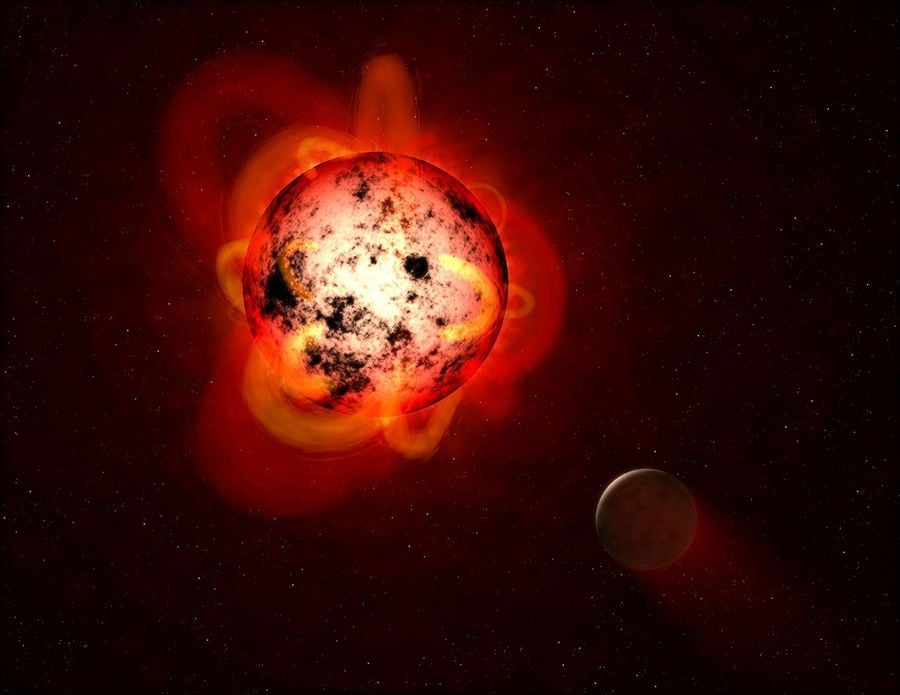
Researchers argue that signals intended to be narrowly tuned in frequency can be smeared by a star’s solar wind, broadening a 1 Hz beacon to about 10–100 Hz as it travels and making it harder to spot with standard SETI filters; they base this on solar-plasma measurements from interplanetary spacecraft and extrapolate to other stars, noting that closer sources and especially red dwarfs with violent space weather would smear signals more, which could help explain missed detections and suggests future observatories may need advanced processing—such as matched filtering and multi‑resolution channelization—or rainbow spectrograms to recover broadened technosignatures, though how common this is remains uncertain.