
Wiltshire Crop Circles: From Extraterrestrial Theories to Human-Crafted Art and Tourism
To the point
Wiltshire's crop circles constitute a long‑standing cultural phenomenon that began with simple patterns, evolved into elaborate designs around landmarks like Avery and Stonehenge, were shown to be human‑made in 1991 by Doug Bower and Dave Chley, yet continue to attract tourism, media attention, and lingering beliefs and orb sightings preserved by photographers such as Lucy Pringle and Steve Alexander.

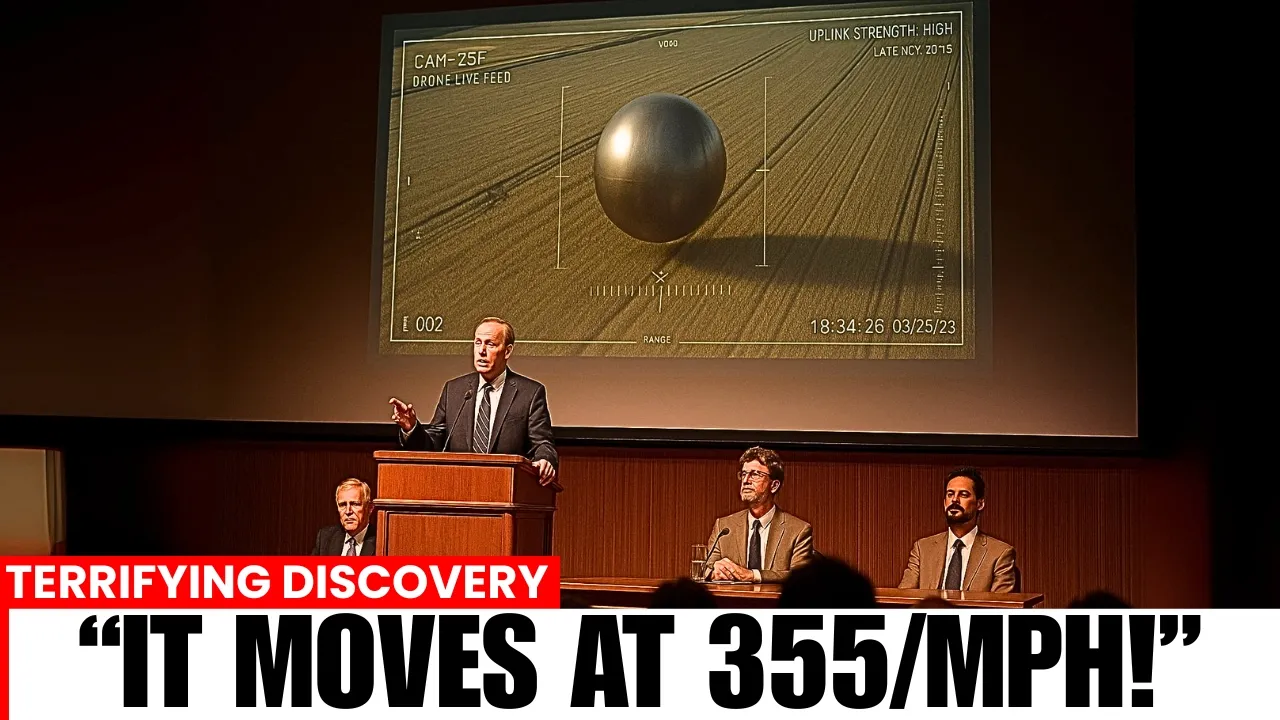
The idea that crop formations may be a medium for extraterrestrial communication persists, supported by recent episodes such as the Sutton Veny incident in May 2025 when drone footage captured mysterious orbs shortly before a field design appeared in Wiltshire. Wiltshire's Downland—home to Stonehenge, Avery, Silbury Hill—and a UNESCO World Heritage landscape create a historically charged backdrop that anchors a crop circle phenomenon intensified since the late 20th century. The region's openness, accessible fields, and tourist infrastructure have made Wiltshire a magnet, with patterns clustering within about 15 km of Avery and drawing seasonal visitors and media attention. Beginning in the late 1970s as simple circles, the modern crop circles grew in scale and geometry, culminating in spectacular formations such as the Milkhill Galaxy of August 2001, a 409-circle spiral. Accompanying the artful designs there are long-running reports of orbs and lights, notably the Milk Hill incident of 1990 and numerous later sightings linked to formations or observed nearby. The mystery began to unravel in 1991 when Doug Bower and Dave Chley admitted to making circles with rope and boards, and later groups demonstrated increasingly intricate patterns, suggesting human hands rather than otherworldly forces. Skeptics point to experiments and energy-claims, noting that claimed structural changes in plants have not been reliably replicated and that designs such as the Milkhill Galaxy likely arose from skilled teams; researchers like Dr. Levengood have made disputed energy-change claims. Psychologists attribute misperceived orbs to apophenia and media priming, with photographers such as Lucy Pringle and Steve Alexander preserving extensive records that keep the connection between lights and circles alive in public memory. The ongoing fusion of tourism, art, and storytelling continues to sustain Wiltshire's crop circle culture, even as the mainstream view emphasizes human artistry, and the field remains a focal point for nocturnal investigations and cultural fascination.
Source: youtube.com