
Debating Aliens with an AI: Toward a Standardized Evidence Framework for Non-Human Technology
To the point
An narrator tests the idea of alien encounters by debating with an AI that cites consensus on life and many habitable planets, addresses skeptics like Simon Dan, Professor Dave, Neil deGrasse Tyson, Sabine Hassenfelder, and Avi Loeb, challenges notions of proof, explains different kinds of evidence and the extraordinary‑claims heuristic, outlines a five‑observables baseline to distinguish human from non‑human tech, entertains the possibility of spacetime manipulation, considers abductee testimonies, calls for formal evidence protocols and systematic study, and invites readers to share their views.
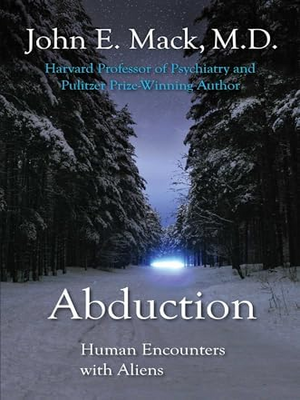


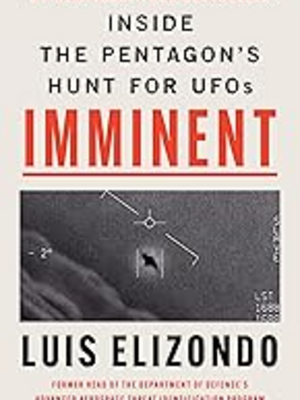

A speaker describes testing a controversial idea by debating aliens with an AI, addressing skeptics such as Simon Dan, Professor Dave, Neil deGrasse Tyson, Sabine Hassenfelder, and Avi Loeb. The AI echoes mainstream science, citing consensus that life likely exists and citing billions of habitable planets and ongoing searches, while initially framing visits as controversial with no smoking-gun evidence. The narrator argues that absence of proof is not proof of absence, challenging the AI’s use of terms like “scientific proof” and pressing for a clear standard. The AI responds with a nuanced view, distinguishing direct evidence, reproducibility, and peer review, then concedes that the adage extraordinary claims require extraordinary evidence is a heuristic rather than a formal law, acknowledging debates about thresholds. The discussion shifts to the five observables framework (anti-gravity lift, no visible propulsion, instant acceleration, hypersonic speeds, low observability) as a baseline for distinguishing human from non-human tech, with the narrator noting the potential bias in accepting that unknown equals nonhuman. The narrator and AI explore the possibility that advanced craft manipulate spacetime rather than push through it, using a soda-bubble analogy to describe a warp-like bubble that could negate inertia and time within a localized region. The narrative weaves in abductee testimonies as data, arguing for a non-human baseline and formal evidence protocols while critiquing the current tendency to dismiss eyewitness accounts. The AI acknowledges psychological and institutional barriers, suggesting a need for a standardized evidentiary framework and systematic study rather than relying on sensationalism. The piece closes with the narrator praising the AI's helpful, question-driven dialogue and inviting readers to share their own views, asserting that evidence of non-human technology exists even if mainstream science and gatekeepers resist it.
Source: youtube.com