
Congressional Briefing Details a Secret, Multi-Agency 'Manhattan Project 2.0' for Non-Human Technology
To the point
Former Congressman Matt Gates and independent researcher Sam Gerb allege a long-running, multi-agency secret program to retrieve, store, and exploit non-human technology, led by a top-level UAP control group and protected by compartmentalized clearance, cover offices, and opaque funding, with whistleblowers like Dylan Borland urging stronger protections amid ongoing investigations.




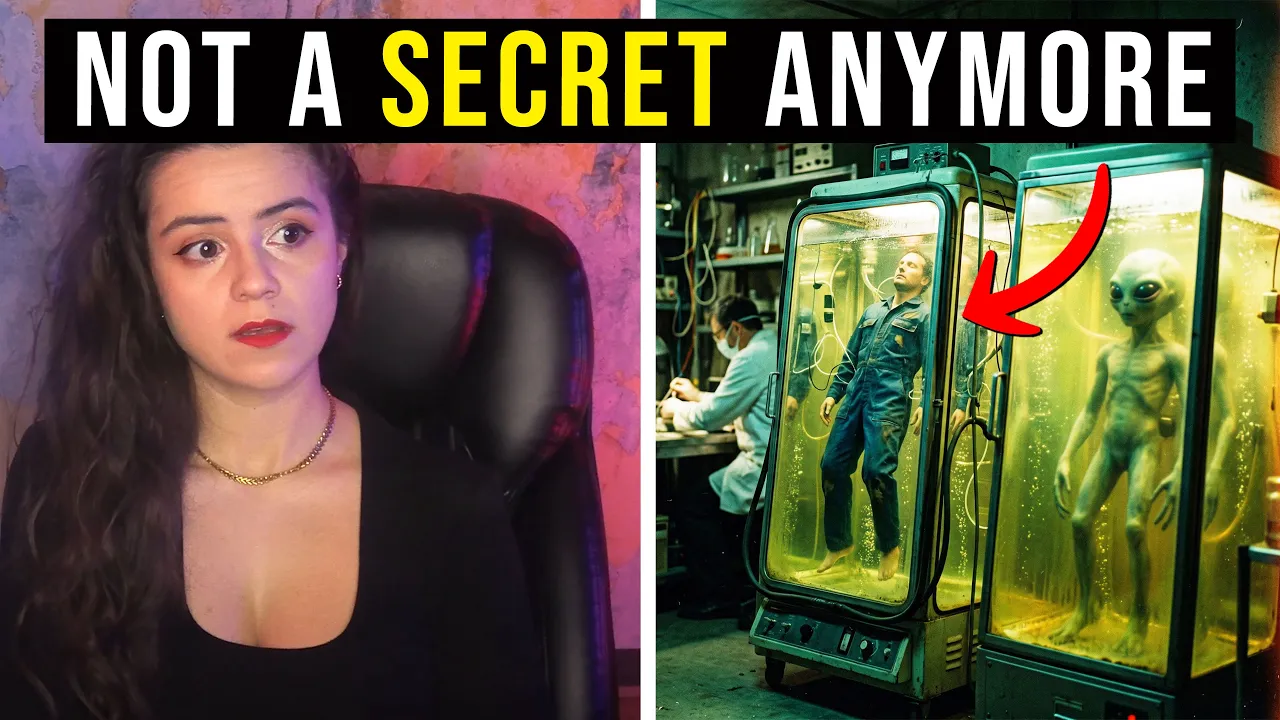
A briefing in a sitting congressman’s office described a highly secret program in which non-human entities were said to be living in forced breeding with abducted humans at six to twelve locations nationwide. Former Congressman Matt Gates and independent researcher Sam Gerb have laid out a pyramid-like map of these efforts, placing a UAP control group at the top, followed by intelligence agencies, national laboratories, and defense prime contractors, with discussions tied to lawmakers such as Missouri Congressman Eric Berles. Gates notes that the briefer once held compartmentalized clearance above standard levels, and later statements suggest more has been learned since his time in office. Gerb’s analysis frames a Cold War–era “Manhattan Project 2.0” to retrieve, store, and exploit non-human technology, sustained by cover offices, opaque funding, and a design meant to endure for decades. The legal architecture around this work is described as “born classification” under the Atomic Energy Commission since 1954, with the Department of Energy running its own intelligence, secure transport, and national laboratory network, effectively shielding certain materials from executive orders. The All-Domain Anomaly Resolution Office is portrayed as a hub that gathers information but rarely provides clear answers, with figures like Sean Kirkpatrick and Ronald Moltry tied to prior oversight and to ongoing secrecy. Whistleblowers, including Dylan Borland who testified about AEC files suggesting some UAP were not human in origin, allege intimidation and threats used to silence disclosure, fueling a push for stronger NDAA protections. Advocates argue the United States military benefited from alien technology and reverse engineering, while others point to misappropriation of funds through independent R&D to sustain these programs, all amid ongoing investigations and uncertainties about origins. The overall picture remains fragmentary but points to a deep, structurally entrenched secrecy built to outlast administrations, highlighting a tension between calls for transparency and the gravity of the claims.
Source: youtube.com