
Enduring Visitation: Gray Aliens, UFO Lore, and the Path to Space Exploration
To the point
People have long reported alien visitors to Earth, especially Grey aliens described as small with large heads and eyes who may be wearing protective suits, a theme linked to Flying Saucers and Roswell from Kenneth Arnold’s 1947 sighting through government explanations and later declassified scrutiny, featuring famous episodes like Betty and Barney Hill’s 1961 abduction and Travis Walton’s 1975 story that shaped popular culture, while Project Blue Book found no threat and no alien technology and recent documents raise questions about how officials discussed the phenomenon, acknowledging that authenticity is mixed though some accounts persist, with motives for visitation ranging from exploration to guidance, refuge, or colonization, and a forward-looking view that humanity should pursue renewed Moon and Mars exploration while keeping in mind that intelligent life elsewhere could exist and spur future space travel.
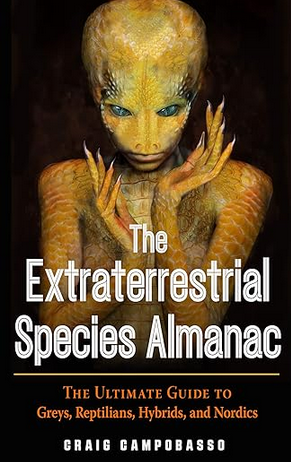

The piece surveys enduring reports of intelligent life visiting Earth, focusing on Gray aliens, their typical description, and plausible alternative explanations such as them wearing protective suits that could account for perceived anatomy. Grays are usually described as 3-4 feet tall with oversized heads, slender bodies, minimal facial features, and very large black eyes, though some theories suggest they might be wearing suits or have anatomy different from humans. The Flying Saucer motif and the Roswell incident dominate postwar lore, beginning with Kenneth Arnold’s 1947 sighting that popularized the term flying saucer and culminating in debris recovered at Roswell, which the military initially labeled a flying disc before attributing it to top‑secret balloon tests from Project Mogul. The case sparked ongoing claims of government cover‑ups and bodies of extraterrestrials being concealed, fueling conspiracy theories and public fascination. Betty and Barney Hill’s 1961 abduction case further shaped popular culture, as hypnosis helped reconstruct an account of examination and interrogation by beings, leaving a lasting imprint on how abductees are perceived. The Travis Walton incident of 1975 added another dramatic abduction narrative, prompting debate over hoax versus genuine memory amid disputed polygraph results and skepticism from some investigators. Official inquiry through Project Blue Book (1947–1969) concluded no identified threat and no evidence of extraterrestrial technology, while declassified documents since 2021 have increased scrutiny of government handling and denial of discussions about the phenomenon. The narrative acknowledges that not all encounters are authentic and that skepticism centers on circumstantial evidence, though some eyewitness accounts persist and even corroborate in limited ways. Motives for visitation remain speculative and varied—exploration, guidance to avoid catastrophe, refuge, or colonization—with the possibility that different beings may hold different agendas and no clear consensus on threat. Looking forward, the text argues that humanity should pursue ambitious space exploration, including returning to the Moon and venturing to Mars, while acknowledging that intelligent life may exist elsewhere and could inspire both science and what lies ahead for interplanetary travel.
Source: youtube.com