
Remote Viewing: From Secret Programs to Civilian Demand and the UAP–Science Debate
To the point
Remote viewing has evolved from a secret military program into a civilian, demand-driven field with tightly controlled access, a large but selective training pipeline, limited professional prospects due to widespread skepticism, and ongoing involvement from figures like Hal Puthoff and Gail Husick tied to UFO interests and parapsychology research, while debates about consciousness and the limits of science shape its credibility.
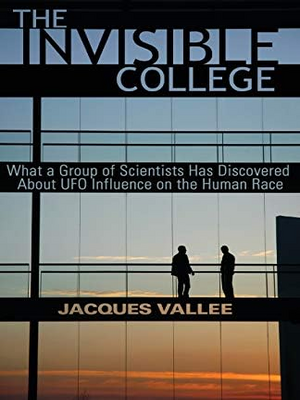


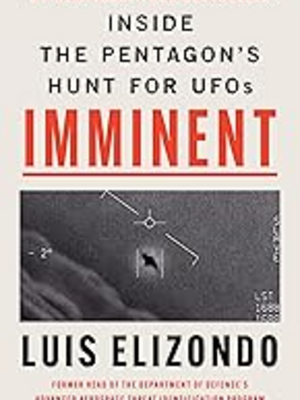
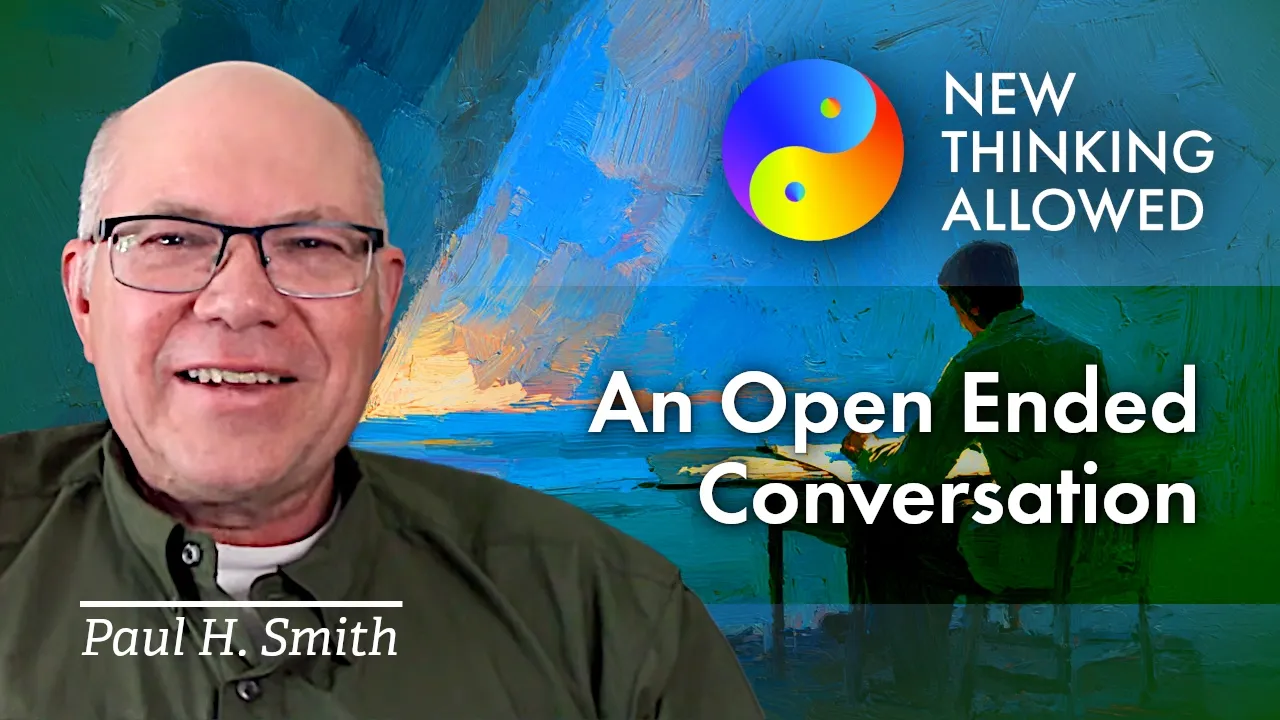
The discussion traces remote viewing from a secret military program to a civilian field with a surprisingly large demand, even though access was tightly restricted. It is noted that around 38 intelligence entities at various times tasked remote viewers, with the CIA among the heaviest users beneath the surface. Training pathways are explained: hundreds in fully vetted programs, thousands when introducing novices; about 10% progress to intermediate, most who reach advanced stay with it, and roughly half of those become professionals, though rarely full‑time. The profession often parallels athletics or music, with many never achieving elite status or full‑time work, and market limitations compounded by skepticism from mainstream science. Smith emphasizes training for continuity and quality, rather than chasing market work, and points to figures like Gail Husick who run operations for clients. The field remains noisy with competing claims as new entrants confuse the landscape; attention around UFOs and conspiracies can crowd out practical, grounded work. Hal Puthoff's long involvement, ties to To The Stars Academy, and ongoing interests in advanced physics and UAPs are discussed, along with his age and shift to new ventures. The Tic Tac/UAP evidence is described as multi-spectral and credible to some, though public discussions remain restricted by secrecy and inter-service dynamics. On science and philosophy, they cite Etzel Cardeña’s meta-analysis of hundreds of parapsychology experiments showing robust effects, and explore how ESP data might illuminate consciousness, while noting limits like Gödel’s incompleteness and debates between materialism and idealism.
Source: youtube.com