
Beyond Carbon-Based Life: Alternative Biochemistries and Genetic Systems in the Cosmos
To the point
Researchers are exploring life beyond Earth as potentially based on chemistries very different from Earth's—like silicon or ammonia instead of carbon and water—with alternative genetic systems, exotic concepts such as shadow or plasma‑based life, and real-world examples like Titan's methane‑ethane lakes showing that unusual chemistries could function.



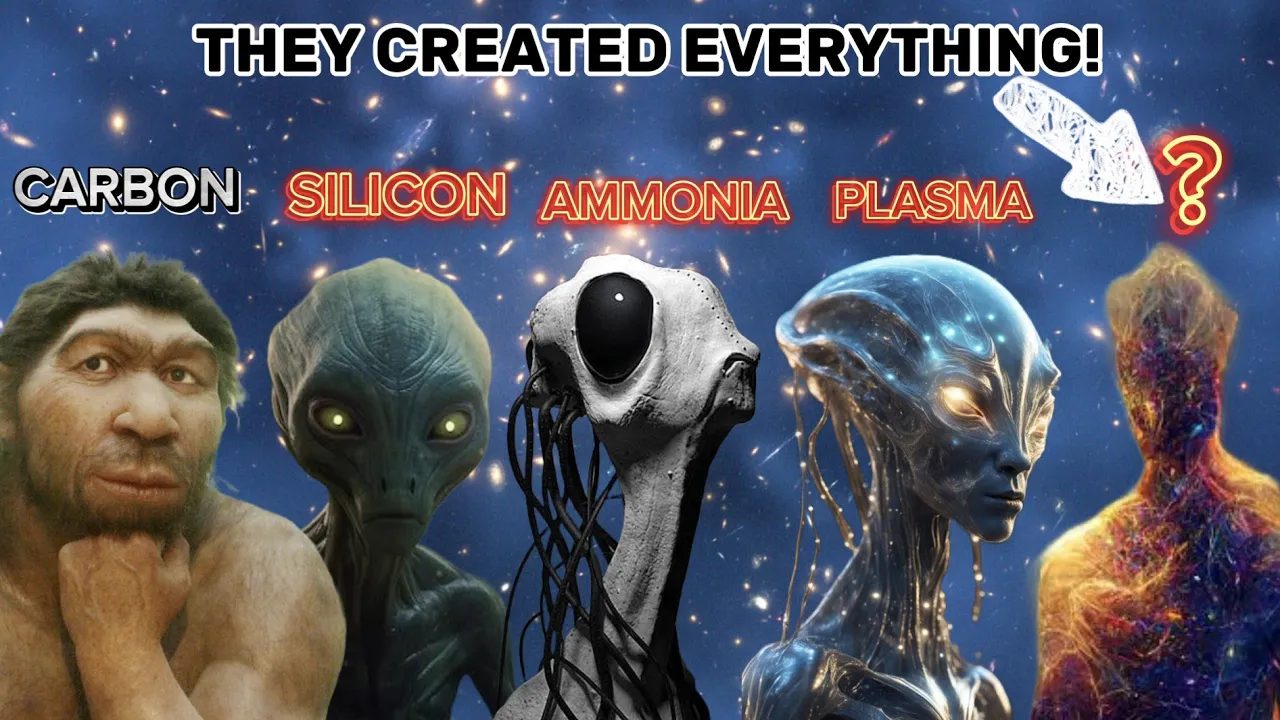
As humanity expands its exploration of the cosmos, researchers wonder if life beyond Earth could take forms far different from our own. While Earthlike carbon-based life with liquid water remains a guiding template, the universe may host alternative biochemistries that can thrive under very different conditions. Silicon-based life is a leading concept, given its chemistry and ability to form complex networks, but faces challenges such as bond rigidity and stability in aqueous environments. Ammonia-based life is proposed for very cold worlds where water is scarce or frozen, with ammonia potentially acting as a solvent, though its reactivity and elemental requirements pose hurdles. Scientists have demonstrated alternative genetic systems, including HNA, LNA, ANA, FA, and TNA, suggesting life elsewhere might store and pass information without DNA or RNA. Beyond these, ideas like shadow life and plasma-based biochemistry imagine organisms that rely on unconventional media, possibly even energy-only forms in extreme environments. Real-world contexts such as Titan’s methane-ethane lakes illustrate how exotic chemistries could function, opening a vast landscape of possibilities for life beyond Earth.
Source: youtube.com