
Death of USAF Intelligence Officer Matthew James Sullivan Ahead of UAP Testimony Prompts FBI Review
To the point
Matthew James Sullivan, a USAF intelligence officer who was about to testify on unidentified aerial phenomena, died in 2024, prompting FBI involvement and renewed questions about a possible pattern of mysterious whistleblower deaths as Rep. Eric Berles and supporters push for accountability and transparency, with figures like Jake Barber, Chris Melon, Lou Alzando, and Anna Pina Luna part of the broader discussion.




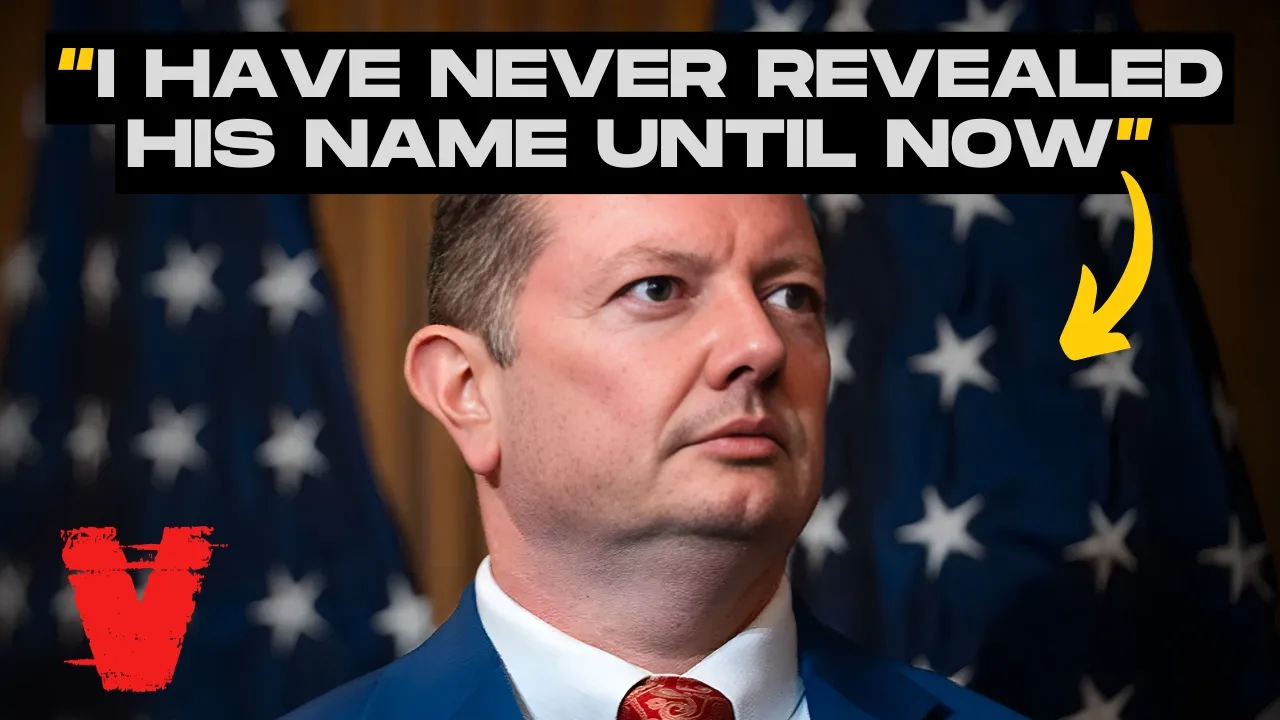
The discussion centers on Matthew James Sullivan, a 39-year-old USAF intelligence officer who died in 2024, reportedly just before he was due to testify to Congress in a whistleblower case about unidentified aerial phenomena and the so‑called UFO legacy program. Rep. Eric Berles says Sullivan’s death looked suspicious and urgent enough to prompt FBI involvement after the Office of Inspector General found the case credible, with a letter to the FBI having been filed the prior year. Sullivan was said to be one of David Grush’s 40 witnesses who would have testified about UAPs, and while several names have surfaced, most remain anonymous. The conversation raises questions about a pattern of mysterious deaths among whistleblowers and scientists tied to UAP research, while acknowledging it could be coincidence and urging careful scrutiny without leaping to conclusions. Berles continues to push for FBI and other agencies to investigate and determine whether something foul occurred or if there are undisclosed factors surrounding Sullivan’s passing. The broader network of figures, including Jake Barber, Chris Melon, Lou Alzando, and Anna Pina Luna, is discussed, highlighting how many stories intertwine in the pursuit of transparency about UAPs. There’s a tension between the urge to investigate and the risk of fueling conspiracy theories, but the speaker emphasizes that seeking clarity for Sullivan’s family and for the public remains important. The update ends by noting ongoing accountability processes and inviting audience input while avoiding definitive claims about foul play.
Source: youtube.com