
Beyond Taboo: A Transdisciplinary Summer Symposium on UAP, Abduction, and Experiencer Research
To the point
The Summer Symposium brings together Deborah Jordan Cobble, Jeffrey J. Krile, and other scholars, experiencers, and activists to break the taboo around UAP and related experiences by centering lived experience and fostering ongoing, ethical dialogue between experiencers and scholars.


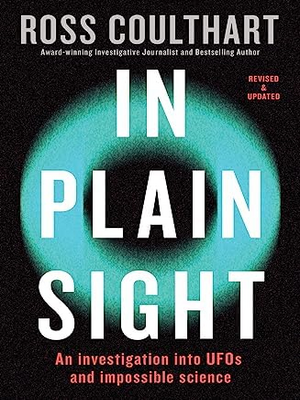
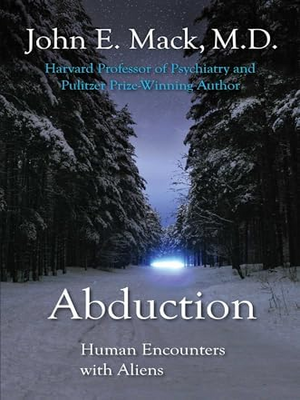

The Summer Symposium gathers a transdisciplinary array of scholars, experiencers, and activists to break the taboo surrounding UAP, abduction, and experiencer research, centering lived experience and humility before an unfolding unknown. The event foregrounds listening to experiencers as a path to insight, with speakers like Deborah Jordan Cobble, Matthew Roberts, and Jeffrey J. Krile offering personal and theoretical reflections on extraordinary contact and its transformative potential. A throughline is the call to move beyond constrained worldviews and to develop a shared, compassionate framework for understanding how encounters reshape identity, meaning, and reality itself. Andrea Otto and Charles Holt describe the John Mack Institute’s ambitious plan for a centralized, professionally staffed platform that delivers peer support, clinical referrals, and education, alongside a metadata-driven research program to analyze archives and map phenomenology across communities. Clinicians like Simon Breler present a careful, trauma-informed approach to integration, outlining stages—from shock to reintegration—that help experiencers live with their experiences without pathologizing them. Beth H. Glick introduces the Exceptional Experience Integration and Meaning measure to capture across four dimensions—identity, worldview, relationships, and behavior—emphasizing that transformation is cross-domain and not reducible to simple growth metrics. Kimberly Engles argues for post-anthropocentric ethics, insisting that ethics of contact must consider epistemic gaps, power asymmetries, and the possibility that some knowledge remains unavailable or withheld to preserve transformative processes. The panelists, including Michael Bolander and Brenda Densler, wrestle with questions of consent, sovereignty, indigenous perspectives, and the risk of flattening complex experiences into neat theories, making space for ongoing dialogue and research rather than premature conclusions. The session closes with a shared sense of responsibility to expand inquiry, invite more diverse voices, and continue building bridges between experiencers and scholars to explore how humanity might responsibly engage with contact, even as the exact nature and motives of non-human intelligences remain uncertain.
Source: youtube.com