Alien Abduction: Extraterrestrial and Psychosocial Explanations, Memory Construction, and the Search for Evidence

To the point

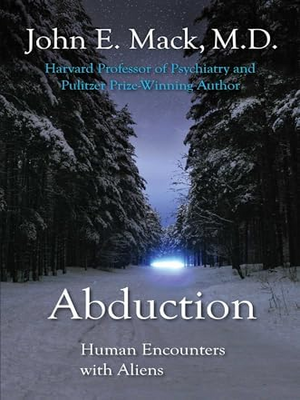
Two main explanations compete for abductee reports: the Extraterrestrial Hypothesis treats them as literal encounters with aliens, while the Psychosocial Hypothesis sees them as the result of sleep paralysis, memory distortions, hypnosis, and cultural stories that can produce convincing but constructed memories, with researchers Budd Hopkins, David M. Jacobs, and John E. Mack offering different interpretations and cases like Betty and Barney Hill and Travis Walton illustrating the debates, little verifiable physical evidence supporting the alien view, and the phenomenon persisting as a modern myth shaped by media and fears about reproduction and identity, even though experiencers often report real distress.


The Alien Abduction Phenomenon: An Examination of Experience, Belief, and Explanation - New Space Economy
newspaceeconomy.ca

The Alien Abduction Phenomenon: An Examination of Experience, Belief, and Explanation - New Space Economy

The concept of alien abduction describes a reported experience of being taken, without consent, by non-human entities and subjected to a range of physical and psychological procedures. Those who report these events are often called experiencers or abductees, and their accounts form the basis of a modern cultural phenomenon that sits uncomfortably at the intersection of personal testimony, scientific inquiry, and popular mythology. The central conflict surrounding this topic is the profound chasm between two competing perspectives. On one side is the Extraterrestrial Hypothesis (ETH), which posits that these accounts are literal descriptions of real events involving beings from other worlds. On the other side is the Psychosocial Hypothesis (PSH), the dominant view within the mainstream scientific and mental health communities, which explains these experiences through a combination of psychological, neurological, and cultural factors.