
Lawmakers Push for Full UAP Disclosure, Oversight, and Interagency Data-Sharing
To the point
Lawmakers and witnesses, including Tim Gallet, argued that unidentified anomalous phenomena are real and require full, declassified, cross‑agency oversight with NASA involvement, a UAP records review board, stronger whistleblower protections, and international cooperation, citing Navy pilot sightings and episodes like the 2015 Theodore Roosevelt incident and the Tic Tac encounter, plus calls for continued hearings and the UAP Disclosure Act to restore trust and advance science.

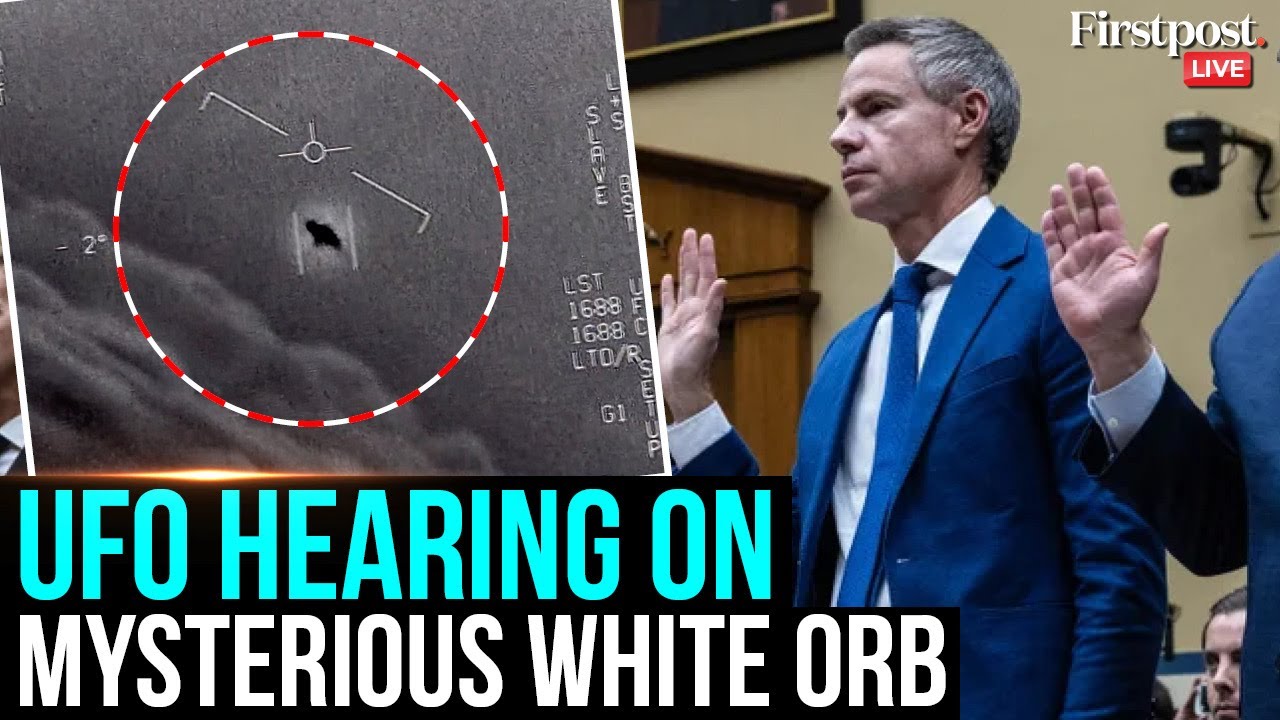
The hearing focused on unidentified anomalous phenomena and transparency, with lawmakers from both parties insisting taxpayers deserve full disclosure of programs, budgets, and findings, including any knowledge of extraterrestrial life or technology. Retired Admiral Tim Gallet and others described UAPs as real, with Navy pilots and other personnel reporting near-misses and flight characteristics that appear inexplicable with current science. They argued that Arrow and the central Immaculate Constellation program operate with insufficient oversight, often withholding information from Congress and the public, eroding trust. They urged a whole-of-government approach, declassification, and the creation of a UAP records review board, plus stronger protections for whistleblowers. Specific episodes cited include a 2015 safety incident involving the Theodore Roosevelt group and a Langley drone swarm, as described by David Fraver and Alex Dietrich, along with 2017 UAP videos and the Tic Tac incident that highlight persistent concerns. They asserted that secret crash-retrieval programs exist, possibly involving non-human technology and even biological samples, with whistleblowers alleging injuries and retaliation. They urged NASA and civilian data, advocating use of NASA's Aviation Safety Reporting System to collect UAP data from civilian pilots, creating a large data set for analysis. Michael Gold argued for NASA's role, including using its archives and independent studies to inform research, while others pressed for declassification of historical materials and international collaboration. The witnesses framed UAPs as a national security priority requiring better interagency coordination, data-sharing, and oversight to prevent vulnerabilities or adversaries exploiting unknown technologies. The proceedings concluded with calls to continue hearings, pass the UAP Disclosure Act, and keep Congress informed to restore public trust and advance science.
Source: youtube.com