
Receipts-Driven Push for UFO Disclosure: Whistleblowers, Congress, and a White House–Led Quest for Declassification
To the point
A congressman pushes for declassification and transparent, evidence-based investigations into UFOs, backed by whistleblowers like David Grusch and Jake Barber, White House leadership, congressional oversight, and auditable work with private contractors such as Aerospace Corporation and MIT Lincoln Labs to pursue verifiable leads without sensationalism.

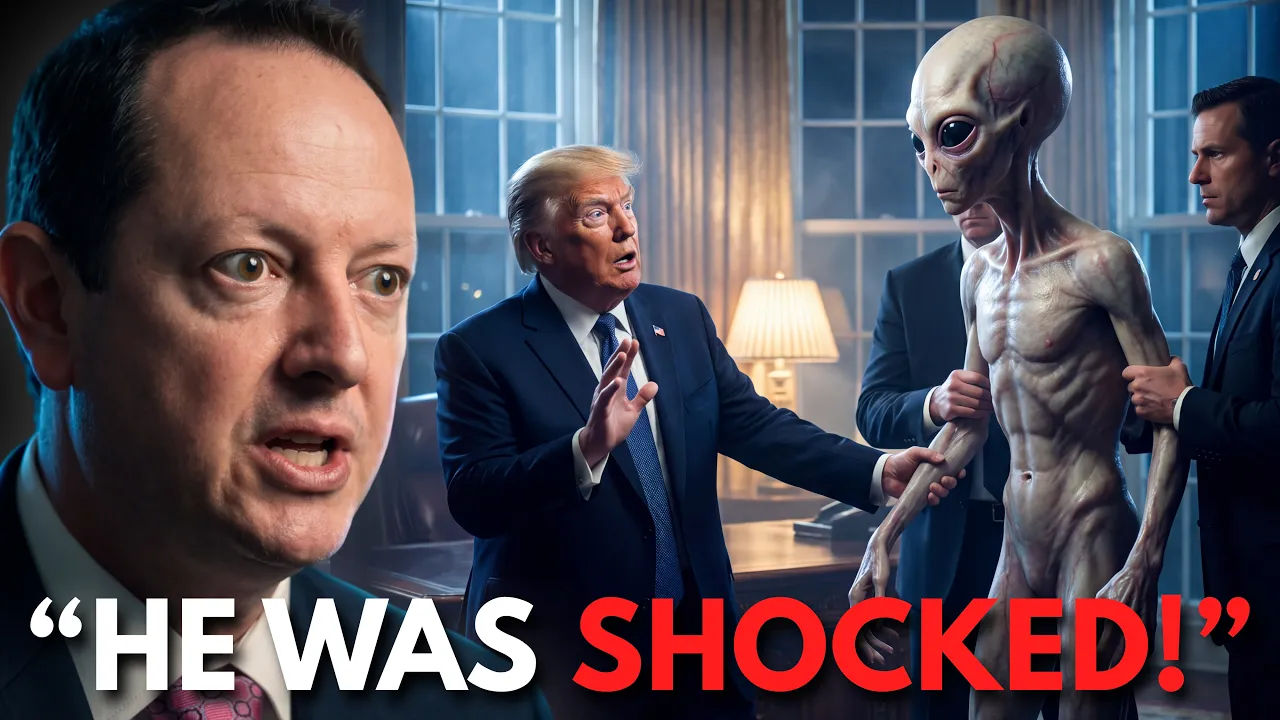
The discussion centers on government secrecy around UFOs and a persistent push for declassification, including efforts to obtain a 1952 Department of Defense briefing audio at MIT Lincoln Labs about saucers and a White House–level briefing plus access to sites like Pax River, Area 51, Green Lake, and S4. The congressman explains that he entered Congress inspired by whistleblowers such as David Grusch and Jake Barber, choosing a path of careful, receipts-driven inquiry rather than sensationalism. He describes an ecosystem of highly specialized contractors and research entities—Aerospace Corporation, MIT Lincoln Labs, and MITER—where information is tightly compartmentalized, prompting his office to crowdsource documents and demand concrete files. He recounts specific leads, including the Brazil/UFO-related Bargia event, meetings with Salvatore Py at Pax River over gravity-modification patents, and the sense that exotic physics may underlie certain phenomena even if definitive results remain elusive. A new director, John Kosowski, is described as a breath of fresh air for the All-D-domain Anomaly Resolution Office, with the White House-backed effort led by Steven Miller, and skepticism about how previous leadership managed the inquiries. The conversation touches on President Trump’s possible briefing on hybrids and other anomalous topics, the potential for presidential disclosure, and a push to unlock NDAs and empower witnesses like Grush and Barber to speak more freely. Faith enters the discussion as the congressman describes meetings with pastors and a broader religious conversation about the topic, stressing that a biblical worldview can coexist with serious inquiry rather than demonization. Throughout, he emphasizes the need for solid evidence and receipts, sharing cautious anecdotes about field inquiries with witnesses like Chris Bledsoe that yielded limited on-site results but reinforced the seriousness of the effort. The private sector’s involvement—sometimes described in alarming terms as “wet works” activity—adds urgency to rigorous, auditable investigations, and he argues for sustained, transparent oversight rather than sensationalism or weaponization. He notes the ongoing concern for missing and at-risk researchers and the importance of pursuing missing-person cases and unexplained data with accountability. In sum, the speaker views the moment as historic—the convergence of whistleblowers, congressional resolve, and White House leadership—as a chance to push for genuine disclosure while demanding verifiable evidence and a careful, principled approach.
Source: youtube.com