
Secrecy and International Silence: The DoD and IC Disclosure Dilemma on Non-Human Intelligences
To the point
Insiders including Jesse Michaels, Dave Grusch, Lou, Jeremy Corbell, George Knapp, and Ingo Swann say governments and international rivals are secretly concealing evidence of non-human intelligences and advanced technologies, using fear-based narratives and discreet pacts to keep disclosures quiet while agency rivalries and funding interests shape what gets revealed and when.


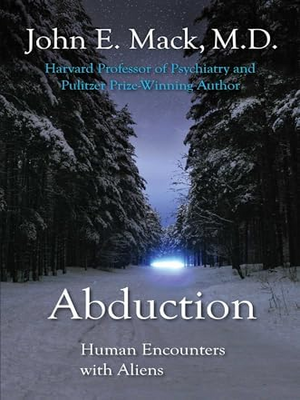

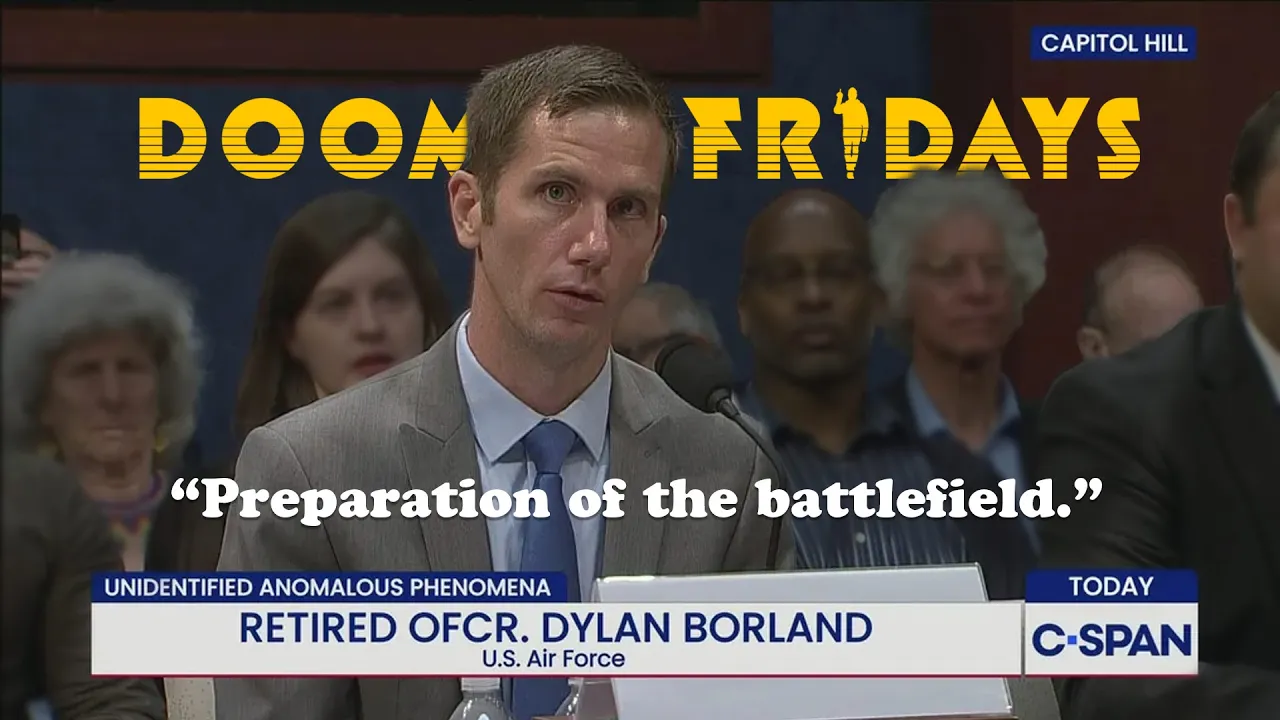
Participants note that if the news were truly favorable, it would be marketed for profit, so the reluctance to do so signals a broader cover-up. They discuss possible international agreements—ranging from historic Salt-era pacts to discreet understandings among allies and rivals—to keep the “genie in the bottle” and prevent disclosures that could upset strategic balances. The threat narrative is seen as an easy way to justify funding and secrecy, echoing past cycles after 9/11 and around weapons of mass destruction. There is a belief in a mixed bag of non-human intelligences, with some encounters potentially benign and others problematic, and the idea that this presence could be shaping a battlefield-ready posture through technology and defenses. Secrecy is linked to the 1947 Roswell era and the postwar scramble over powerful technologies, with ongoing debates about why abductees may have stopped or what has actually been recovered, all under a ticking clock. Questions persist about why major powers like Russia and China stay silent, hinting at international agreements to maintain quiet for mutual benefit. Within the DoD and IC there are tensions and competing interests around disclosures and contracts, suggesting that more than one agency has a stake in how this information is handled. The cast named includes Jesse Michaels, Dave Grusch, Lou, Jeremy Corbell, and George Knapp, with references to Ingo Swann and ideas about embedded hybrids, underscoring a conversation that is both unsettled and urgent.
Source: youtube.com