
UAP Files and the Spirit of Skepticism: Historical Parallels and the Quest for Extraordinary Evidence
To the point
Despite 2026 UAP file releases under a presidential unsealing, the core message is cautious: most images are redacted or unclear, about 95–99 percent of sightings are explainable as drones, balloons, natural phenomena, or hoaxes, and assessments by Sean Kurpatre of AERO, NASA, and the Harvard Galileo Project find no evidence of extraterrestrial activity or new physics, with Apollo-era visuals mostly explained by electrical or optical effects, leaving open questions but no firm paranormal conclusion and suggesting the era may eventually be remembered as a gradual clarification rather than aliens confirmed.
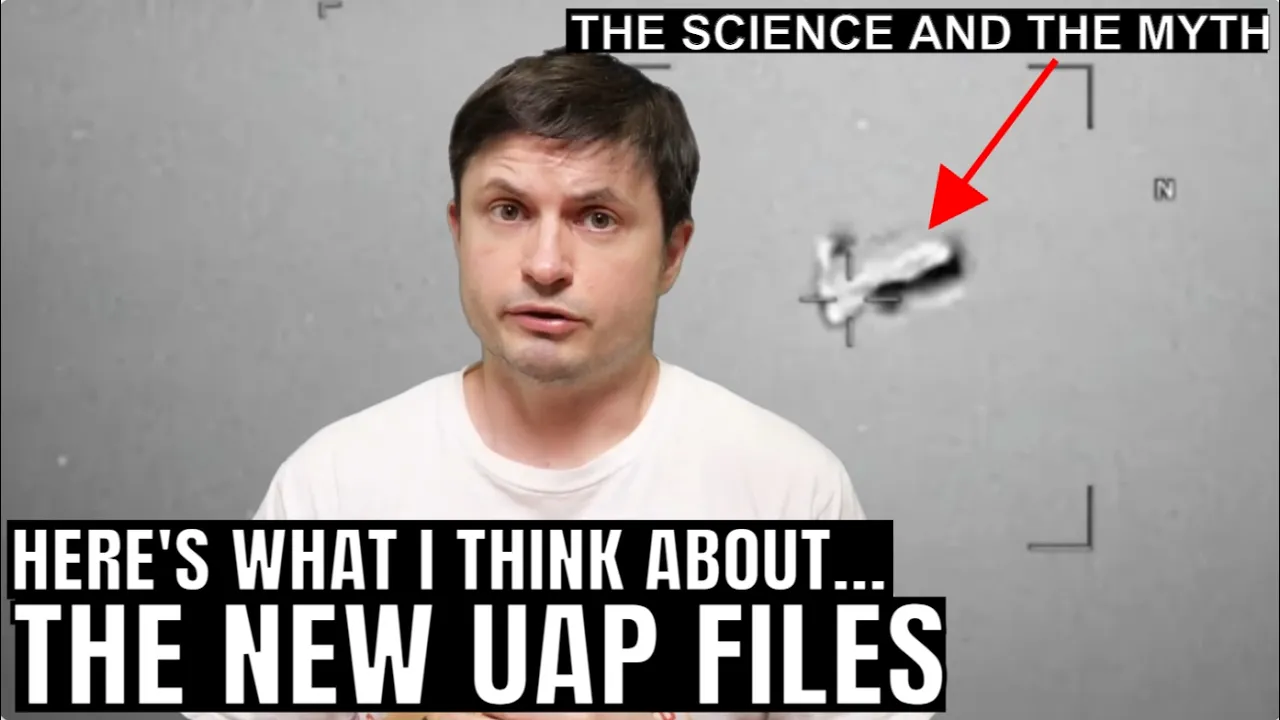
The discussion around newly released UAP/UFO files is approached with healthy skepticism, noting that most images are uninformative due to redactions and ambiguous shapes. A historical parallel is drawn to the late 19th and early 20th centuries, when psychical research drew prominent scientists like William Kruz and Alfred Russell Wallace, who used advanced tools of their time to chase spirits and proposed ether as a bridge between the living and the dead, only for the field to collapse as hoaxes and misinterpretations emerged. Both pursuits reveal a shared hunger for answers and follow a pattern in which the vast majority of reports—about 95 to 99 percent—are explained as drones, balloons, natural phenomena, or hoaxes. In 2026, the government released more files under a presidential unsealing initiative, including some from Apollo missions, though most remain unremarkable. Some Apollo-era visuals might hint at unfamiliar phenomena, but most explanations point to electrical effects, lens reflections, or cosmic-ray interactions with cameras. Independent assessments by AERO (Sean Kurpatre) and NASA converge on no evidence of extraterrestrial activity or novel physics; many sightings are attributed to parallax, terrestrial sources, or Starlink reflections. The Galileo Project at Harvard is building ground-based observatories for calibrated observations; after five months and 500,000 objects, only 144 cases remain ambiguous, not genuinely UFO-like, typically birds, planes, or leaves. The conclusion is that nothing paranormal has been demonstrated, and extraordinary claims require extraordinary evidence, with data gaps leaving open questions but no firm extraterrestrial conclusion. The speaker suggests this era may be remembered in a few decades similarly to the earlier spirits craze, as ongoing research gradually clarifies cases while awaiting future discoveries.
Source: youtube.com