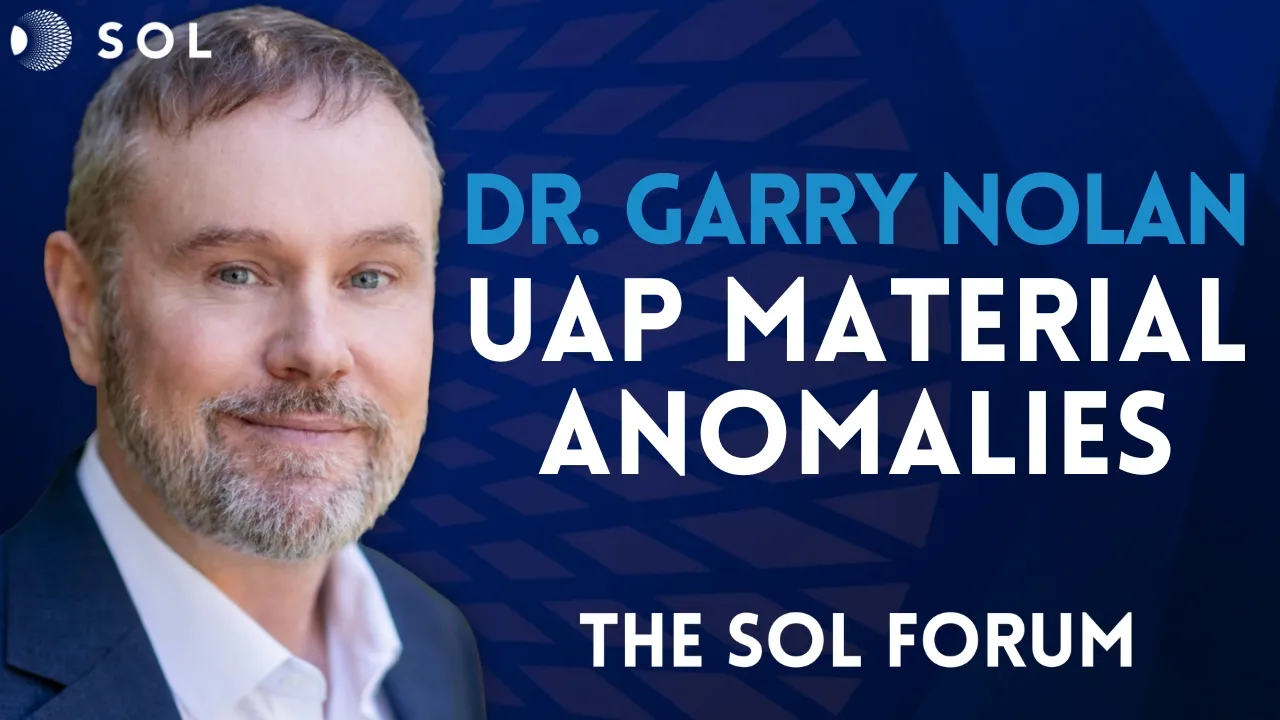
Open Science and the UAP Conversation: Replication, Data, and the Social Stakes of Disclosure
To the point
Dr. Peter Scayfish and Dr. Gary Nolan discuss unidentified anomalous phenomena, the push for disclosure, and how openly shared, independently verifiable data—especially isotope signatures, anomalous materials, and alleged biological specimens—could affect science and policy, while considering ideas that UAPs may influence human thought, that non-human intelligence might exist, and the role of AI, and they advocate broad framing, rigorous replication, and private–public collaboration with safeguards alongside cautious optimism for potential societal benefits.
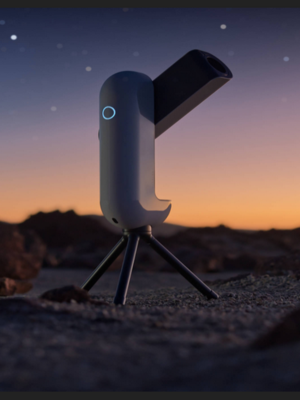
Vespera II Exploration Station with Smart Technology
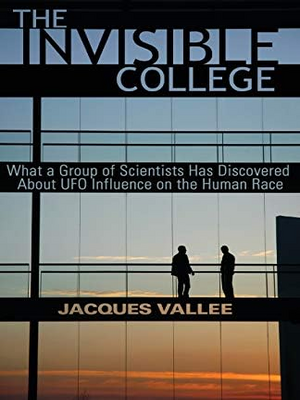
The invisible college
Jacques Vallee
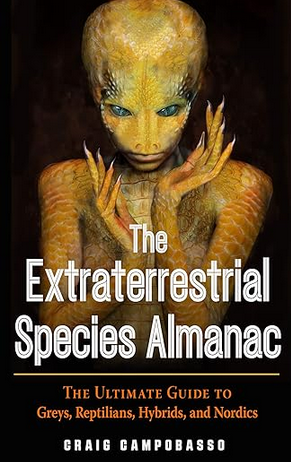
The Extraterrestrial Species Almanac: The Ultimate Guide to Greys, Reptilians, Hybrids, and Nordics (MUFON)
Craig Campobasso
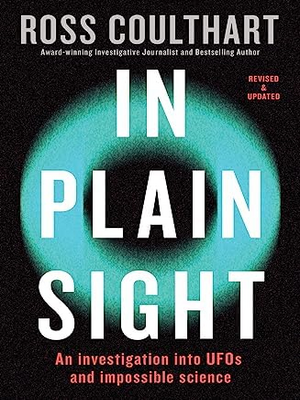
In Plain Sight: An investigation into UFOs and impossible science
Ross Coulthart
Our recommendations from Amazon