
Nineveh's Tablets, the Anunnaki, and the Mythic Origins of Humanity
To the point
Austen Henry Layard uncovered the Great Library of Assurbanipal in Nineveh, where Sumerian tablets recount the Anunnaki fashioning humans to mine gold, a cross-cultural creation myth that some scholars consider when pondering whether aliens played a role in humanity’s origins.



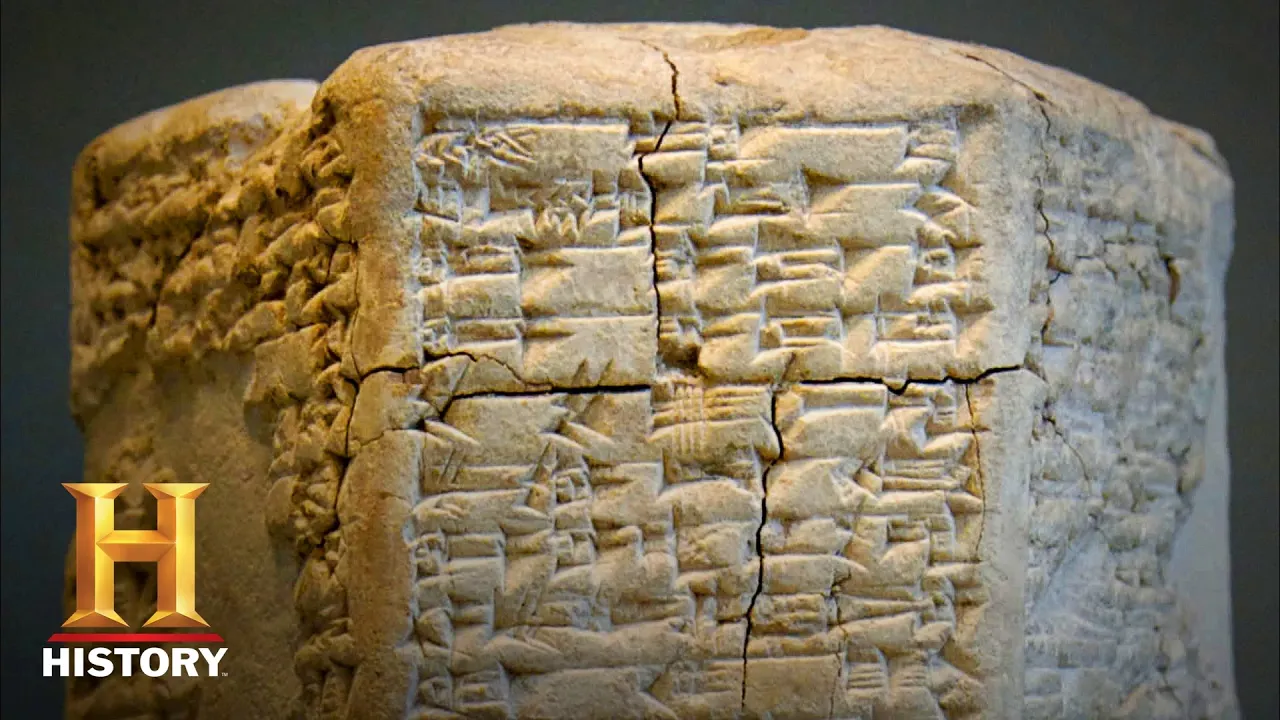
In northern Iraq, along the east bank of the Tigris opposite Mosul, lay Nineveh, where in 1842 Austen Henry Layard uncovered the Great Library of Assurbanipal, a royal archive of thousands of clay tablets with cuneiform inscriptions dating to 3000 BC and hailed as among the world's earliest written records. These Sumerian tablets, the oldest form of written record, recount stories of gods intermingling with humans and even taking part in the creation of humanity, a mix of myth and mystery that leaves the factual line unsettled. Among them is a depiction of the Tree of Life flanked by the Anunnaki, with the winged disc and astronomical symbols that evoke a sense of ancient technology. The tablets describe the Anunnaki as towering beings, possibly eight feet tall, who came to Earth to mine gold for their home planet and to relieve their labor by fashioning a worker—humans—in their image. In this creation narrative, humans emerge as a result of their design, a story that resonates with biblical echoes of Adam and Eve. Ancient chronicles of sky-beings creating human life recur across cultures, with echoes in the Bible, the Quran’s account of language given to humanity, the Maya Popol Vuh, and Egyptian texts. Mainstream scholars often dismiss such evidence, but the recurring theme invites cautious reflection on whether alien involvement might have figured in human evolution. Altogether, these strands keep fueling ongoing discussion about how myth, history, and possibility intersect in our origins.
Source: youtube.com