
New Records Batch Prompts Debate Over Disclosure Authority as 'Sleeping Dog' Examines the Human Side of UFO Transparency
To the point
The latest batch of declassified material from NASA, the FBI, the State Department and the Department of War prompts questions about what’s released, who controls future disclosures, and how this ongoing transparency effort will unfold, while Sleeping Dog, a documentary about Jeremy Corbell directed by Michael Lazovski, frames the human risks and the push for official disclosure.

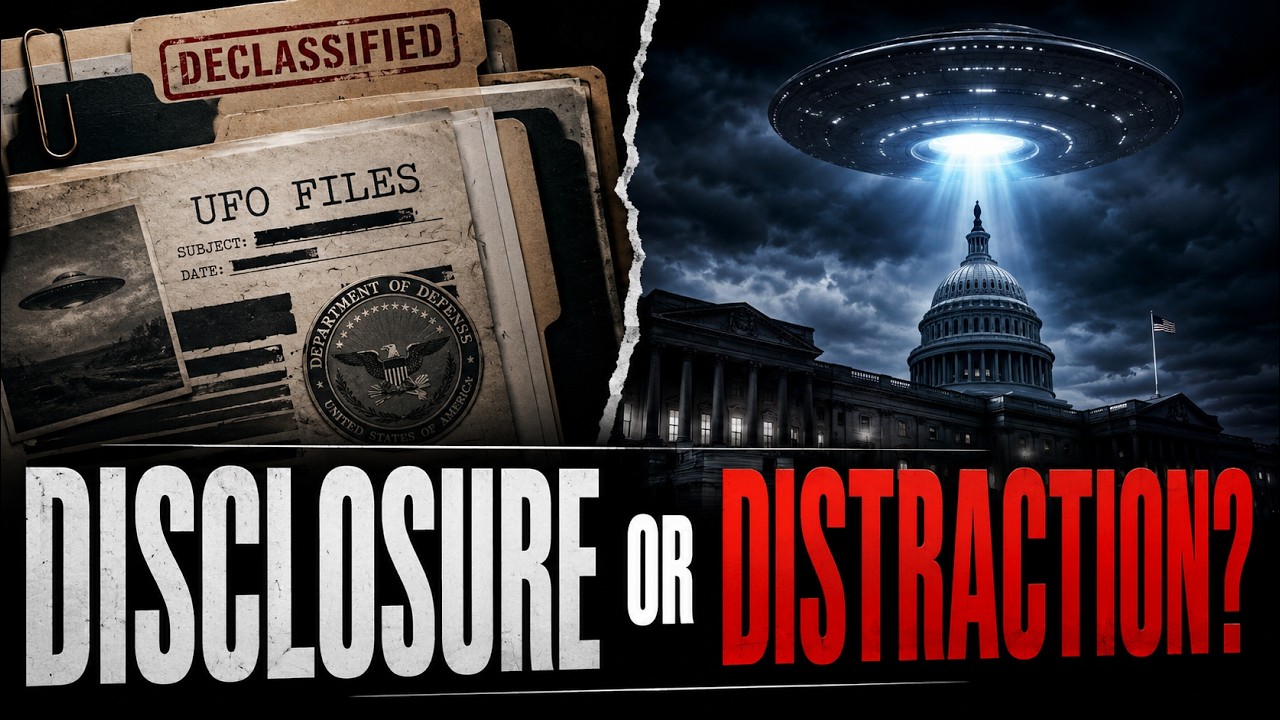
A batch of 162 records released from NASA, the FBI, the State Department, and the Department of War covers material from the 1940s to today, but the bigger question remains: what isn’t being released and who decides what comes next. reactions range from seeing it as a historic first step to calling it underwhelming, managed, or even a distraction from other scandals, with calls for more to come and talk of a “holy cow” level of material still supposedly in the vault. The next batch is slated for around May 22, and observers note that much of what was released is older or previously seen, prompting questions about the quality and significance of the data. Key voices, from Lu Alzando and Ryan Graves to Tim Burchett and Tom DeLonge, frame the release as a meaningful but incomplete transparency effort that may point to a broader, longer process. A central theme across coverage is not merely what has been disclosed but who controls future disclosures, with Liberation Times pointing to Aaron Lucas of ODNI and a chain of authority sometimes described as ARROW, potentially limiting fuller access to CIA and other agencies’ materials. The discussion links this moment to ongoing accountability efforts, including the MK Ultra hearings, underscoring a pattern where secrecy is challenged only when oversight pressures reveal itself. Turning to film, Sleeping Dog, Jeremy Corbell’s documentary directed by Michael Lazovski, is now available for digital rental or purchase, and Lazovski describes it as a portrait of Corbell’s decade-long investigative journey rather than a simple case for extraterrestrial evidence. Lazovski emphasizes Corbell’s role as a controversial but influential figure who amplifies whistleblowers’ voices and bears significant personal risk in pursuit of disclosure, a theme the film foregrounds alongside archival footage. The documentary includes eight clips from the 46 videos Congress requested, with Lazovski noting there was no plan to release all material through the film and that its aim is to spur official release rather than to supersede government transparency. Viewers are invited to watch not only for UFO evidence but for the human drama—the pressure on Corbell, his family, and others who stand at the edge of a potentially transformative disclosure process.
Source: youtube.com