
National Press Club Spotlight on Unidentified Phenomena: Whistleblowers, Deep-State Claims, and a Push for Transparency
To the point
Michael Herrera and Dr. Steven Greer frame unidentified phenomena as a mix of covert human-made tech and occasional non-human sightings, while researchers like Ryan Graves and Admiral Tim Galedet push for government transparency and data releases, despite ongoing risks to whistleblowers and the absence of conclusive proof.



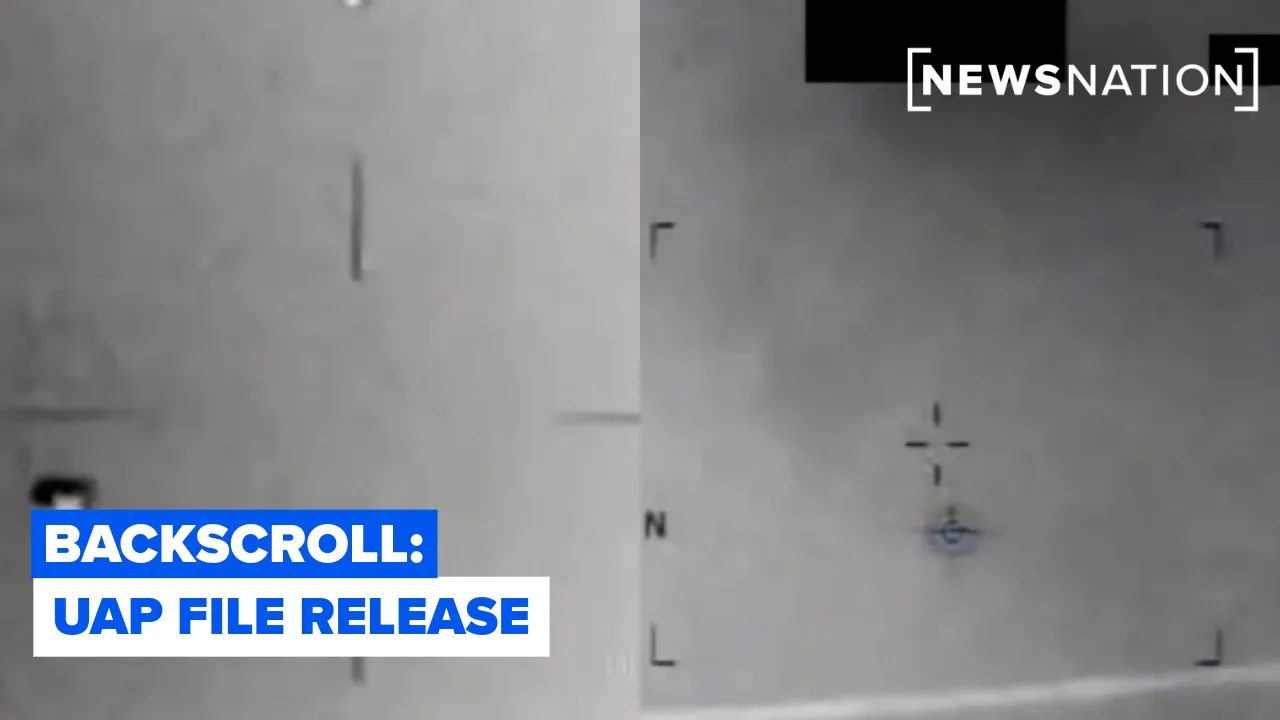
In 2009, while aiding humanitarian operations in Indonesia, former US Marine Michael Herrera witnessed a rotating, color-changing craft that hummed loudly and sped toward the ocean; when he returned to the camp, his camera’s memory card and battery were allegedly removed, and he and others were later forced to sign a non-disclosure agreement under the threat of treason, death, or imprisonment. Herrera later discussed the incident with Dr. Steven Greer, who argues that many sightings are man-made, tied to covert programs and private contractors, and that crates with HVAC systems were loaded onto a massive octagonal craft, suggesting a nonalien origin. Greer contends that a “deep state” network has developed the technologies behind these systems, while non-human intelligence sightings exist but are a minority, and his archive reportedly includes 20 terabytes of data and about 760 whistleblowers. A national press club event is planned to feature multiple whistleblowers and push for fuller transparency from the government regarding unidentified phenomena. Herrera warns future whistleblowers about professional and personal risks, including loss of careers, clearances, pensions, and potential threats or “wetworks,” even as the National Defense Authorization Act offers some protections. The speakers describe a hybrid landscape of government and shadow programs run with private contractors, often off-budget, with law enforcement being lobbied to investigate, though specifics remain contested. In parallel, scientists weighing the newly released footage note that redactions obscure interpretation and that some images may be artifacts, while others—drawing on Apollo-era and other mission material—continue to fuel cautious inquiry. Figures like Ryan Graves and Admiral Tim Galedet welcome the data drop as a historic step toward reducing stigma and enabling serious, data-driven research into the nature and control of anomalous phenomena. Across the discussions, the consensus is that the release represents a meaningful move toward transparency, but no definitive breakthrough has been proven yet, with more evidence anticipated in the weeks ahead.
Source: youtube.com