ranked.news
De regering neemt UFOs zeer serieus. Dus waarom worden onderzoekers tegengewerkt?
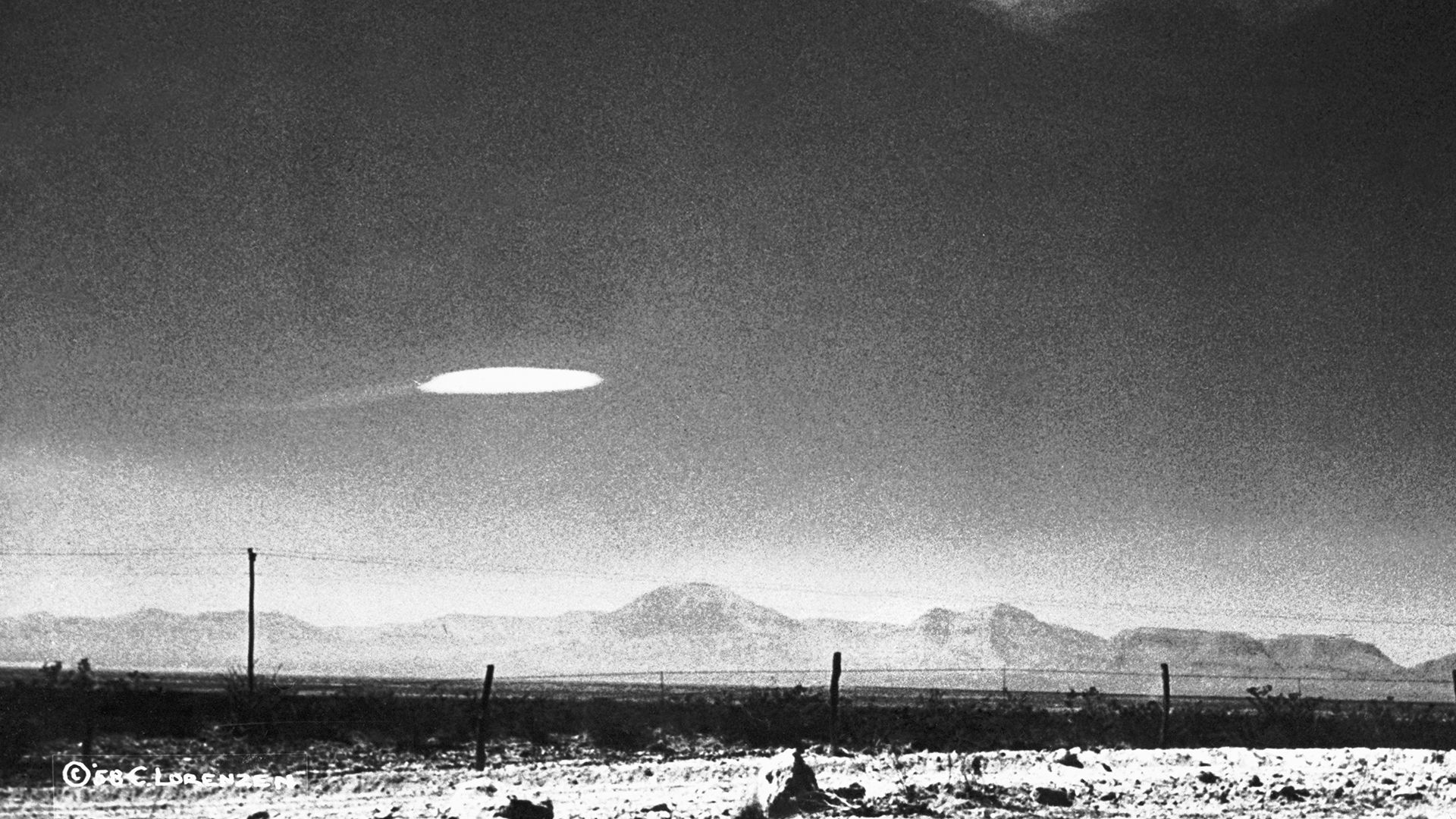
Despite increasing government acknowledgment and investigation into Unidentified Anomalous Phenomena (UAP), UAP researchers in the United States face significant professional stigma and institutional barriers, hindering academic study. While the Pentagons All-domain Anomaly Resolution Office (AARO) manages over 2,000 historical UAP reports, and countries like France, Japan, and Canada have formal investigation programs, American research universities largely remain absent from the field. Surveys indicate faculty believe UAP research is important and have personally observed unexplained aerial phenomena, yet fear career repercussions, funding loss, and ridicule prevent them from conducting or publishing UAP-related work. This contrasts with international efforts and the emergence of UAP studies as a discipline outside traditional academia, requiring dedicated funding, methodological standards, and institutional support to gain legitimacy.