
Disclosure Day: Patrick from Vetted’s 6/10 Take on a Scattershot UFO Drama
To the point
Patrick from Vetted Reviews says the film is unfocused and underdeveloped, with Emily Blunt’s performance feeling one‑dimensional, supporting turns by Josh O’Connor and Colin Firth failing to land, a thin hokey plot and corny ufology lore, an ending that undermines suspense, and action that feels tacked on, and he argues a tighter, more focused approach—perhaps in the vein of Munich—would have yielded a denser, more satisfying story.

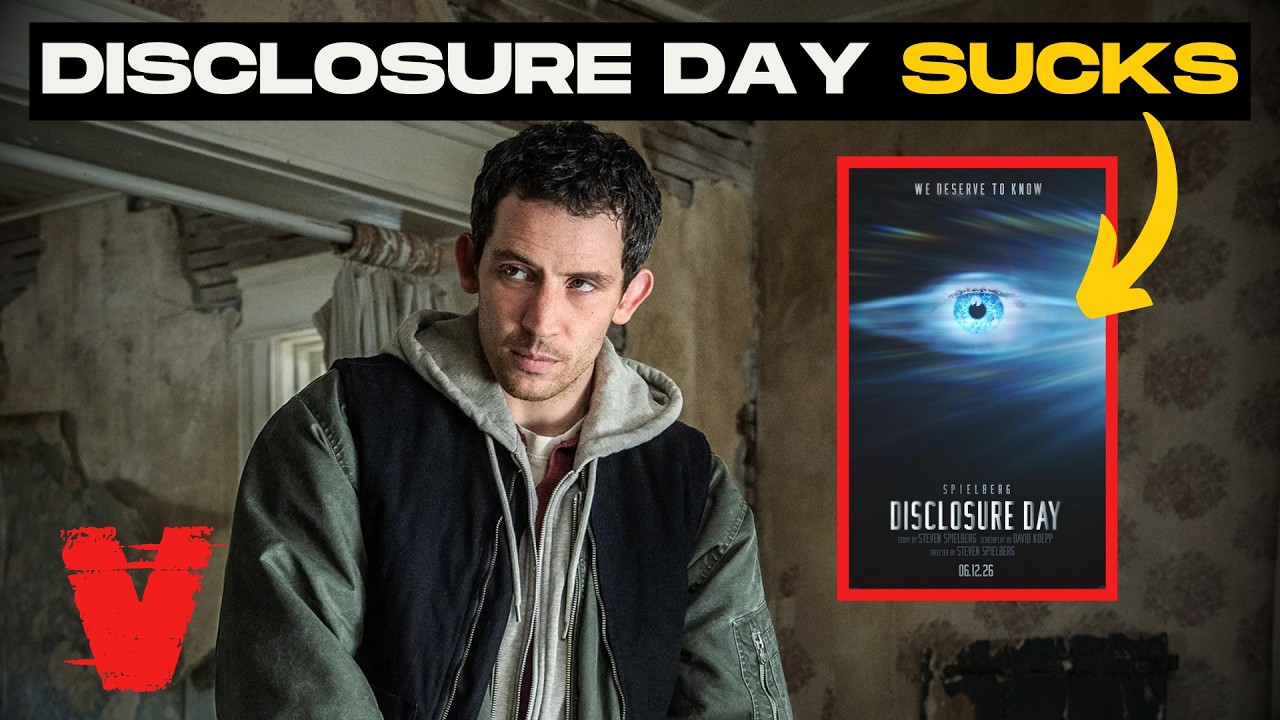
Patrick from Vetted reviews Disclosure Day with spoilers, sticking to a 6/10 and maintaining that the film isn’t the worst but he didn’t enjoy it. He finds it the most un-Spielberg-like project he’s seen, even as a devoted fan of Steven Spielberg, with Emily Blunt’s performance feeling one‑dimensional and the supporting turns, including Josh O’Connor and Colin Firth, failing to land. The plot is described as thin and hokey, with moments that feel like a low‑budget TV drama rather than cinema, from a long train sequence to an ending that never builds real emotional payoff and a supposed Disclosure Day that barely appears. Exposition is clumsy, the universe’s rules feel inconsistent, and the attempts to evoke empathy and humanity never connect with the audience. The ufology lore—Roswell, Nixon and a TV star—comes off as corny and underdeveloped, and a magical stick that can erase a house is never adequately explained or integrated. The ending’s reveal of an alien in a wheelchair looks awkward and undermines the suspense, while action beats like the car-on-train moment feel tacked on and pointless. He argues the film is a “buffet of ufology” with too many scattered elements and not enough focus, leaving themes of empathy and societal change undercooked. While acknowledging moments of conversation and striking visuals, he suggests a tighter, more focused approach—perhaps in the vein of Munich—would have yielded a denser, more satisfying story, and invites readers to share their own take since art remains subjective.
Source: youtube.com