
1952 Washington DC UFO Flap: Official Investigations, Vanishing Stars, and the Debate on Extraterrestrial Origins
To the point
The 1952 Washington, D.C. UFO wave spurred official programs like Project Sign, Grudge, and Blue Book, introduced Beatriz Villarreal’s theory that some bright near‑Earth points could be light glinting off metallic surfaces rather than stars, and exposed ongoing debates among astronomers and national security figures, including Donald Menzel, about whether any sightings hint at extraterrestrial visitation or are tied to nuclear testing.

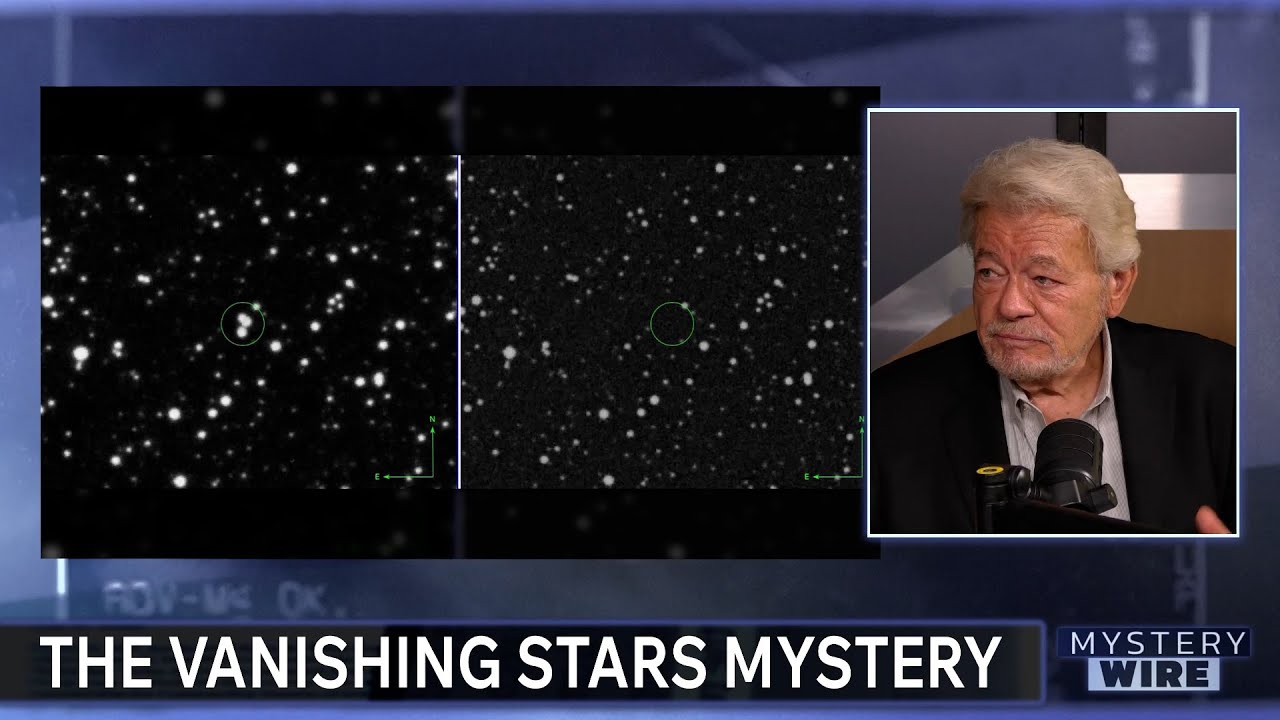
The discussion centers on the 1952 wave of sightings over the capital, a peak of the so‑called UFO flap that followed the sensational 1947 start of the modern era, when multiple objects were tracked by air traffic controllers, pilots, and ground witnesses and even scrambled jets over Washington, D.C. A dramatic second weekend confirmed the phenomena, and soon General Samford, head of Air Force Intelligence, held a landmark news conference in which he said most reports could be explained as hoaxes, misidentifications, or natural phenomena, but a subset remained unexplained and showed no pattern or detectable threat to the United States. The conversation then sketches the era’s official investigation programs—Project Sign, its successor Project Grudge, and Project Blue Book—highlighting how the end results often steered away from declaring interplanetary origins and toward cautious inconclusiveness. Turning to newer evidence, the program introduces Beatriz Villarreal, a Swedish PhD astronomer who searched decades of photographic plates from Harvard and Palomar, looking for “vanishing stars” that seemed to appear and then disappear in a matter of weeks or months. Her work found two striking examples that aligned almost exactly with July 1952’s DC sightings, even though she initially had no knowledge of the Washington flap. The plates suggest objects that look like stars from ground level but vanish, leading her to propose that some luminous points near Earth may be light glinting off metallic surfaces rather than true distant stars, and that the originals may still be up there. The critique and support surrounding her findings reflect longstanding tensions in astronomy and defense—some colleagues dispute the interpretation, while others, including later researchers, have corroborated aspects of her case, though debates about methods and implications continue. There’s also discussion of a controversial figure in Harvard’s history, Donald Menzel, who managed top‑secret security clearances and later helped shape public skepticism about UFOs, a framing that underscores how research and policy in the era were influenced by national security concerns. The dialogue explores a possible link between the DC events and nuclear testing, noting that the July–June 1952 period included above‑ground tests and that researchers like Beatriz consider the possibility that advanced observers might monitor humanity’s nuclear activities without revealing themselves. While Beatriz did not set out to prove extraterrestrial visitation, her findings raise the provocative possibility that objects near Earth were not of Earthly origin, a claim that continues to attract both criticism and cautious support as scientists reassess what the sky reveals. Viewers are invited to hear more from Beatriz Villarreal in a longer interview and to follow forthcoming material on Mystery Wire and the site 8newsnow.com.
Source: youtube.com