ranked.news
While the government investigates unidentified phenomena, academic researchers face stigma
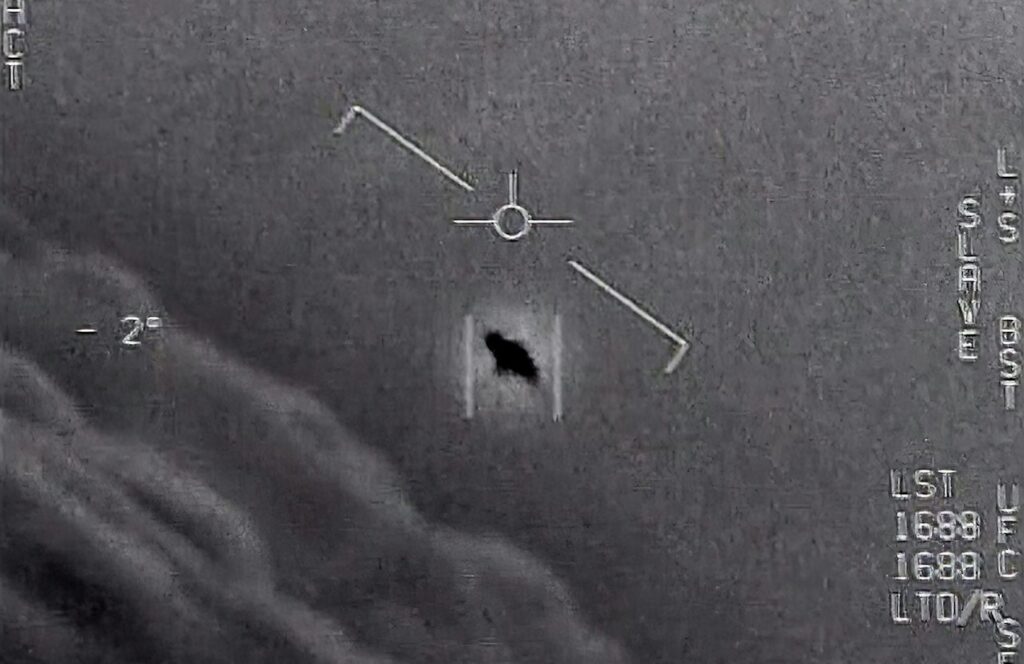
Despite increasing government acknowledgment and investigation into Unidentified Anomalous Phenomena (UAP), academic research in the United States remains significantly hindered by stigma and a lack of institutional support. While the Pentagons All-domain Anomaly Resolution Office (AARO) is handling over 2,000 reports dating back to 1945, and governments in Japan, France, Brazil, and Canada have formal UAP programs, major U.S. universities lack dedicated research centers, funding, and doctoral programs for UAP inquiry. Faculty express interest and curiosity in UAP but fear career repercussions, including funding loss, ridicule, and negative tenure reviews, with a 2023 survey indicating nearly 28% would vote against a colleagues tenure for UAP research. This academic reluctance contrasts with international efforts, such as Germanys University of Würzburg officially recognizing UAP research and Swedens universities actively publishing peer-reviewed UAP studies, highlighting a critical gap in U.S. academic engagement that requires funding, methodological standards, and institutional affirmation to foster a legitimate scientific discipline.