Politics and the UAP Discourse: Disclosure Promises and the Area 51 Mystery

Politics and the UAP Discourse: Disclosure Promises and the Area 51 Mystery

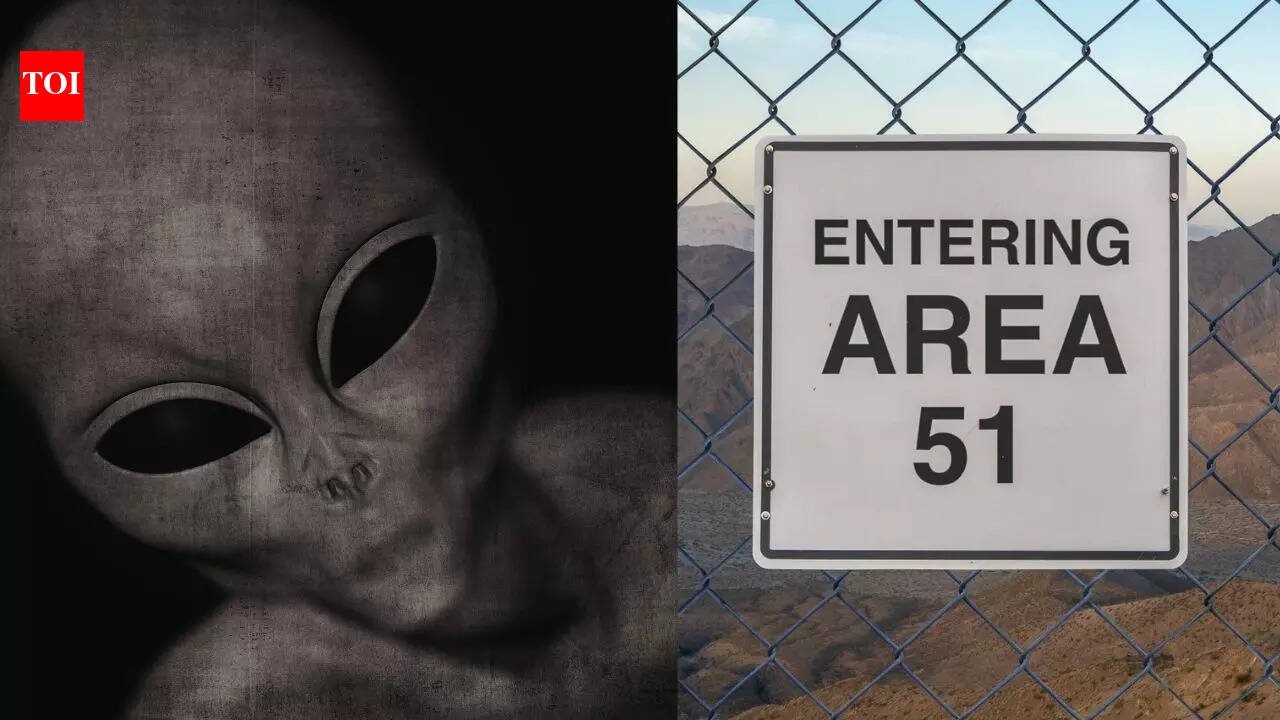
A surge of renewed interest in aliens and unidentified aerial phenomena (UAP) surrounds recent political comments. Donald Trump has said he will direct US agencies, including the Defense Department, to identify and release government files on aliens, extraterrestrial life, UFOs, and UAPs. This follows Barack Obama’s podcast remarks suggesting aliens are real, which Trump criticized; Trump later asserted on Truth Social that he would push for full disclosure of related files. Obama clarified on Instagram that he saw no evidence of contact with extraterrestrials during his presidency and suggested that if a secret facility existed, it would be extraordinary to hide from even the president. Experts note that while life elsewhere is statistically plausible given the universe’s vastness, there is no proven evidence of alien life. Area 51—the secretive US Air Force base in Nevada—remains at the center of the mystery. Established in the Cold War era for testing aircraft like the U-2 and SR-71, its existence was officially acknowledged by the CIA only in 2013, and public access is strictly forbidden. Rumors about aliens have persisted, with some suggesting intelligence agencies may have fostered such myths as distractions since the 1950s. Public fascination with UFOs endures, bolstered by past Pentagon programs and congressional hearings, and the Pentagon’s office for unidentified aerial phenomena. However, investigations so far have not produced proof of alien life, with many sightings ultimately explained by conventional phenomena, even as speculation tends to surge whenever politicians discuss extraterrestrials.

Source: indiatimes.com
Our reading recommendations from Amazon: