
Disclosure in the Public Eye: Whistleblowers, History, and the Case for UAP Transparency
To the point
A broad, cross‑sector push for open disclosure of unidentified aerial phenomena says the public has a right to the truth, backed by whistleblowers like David Grush and Jake Barber, veteran reporters such as George Knapp, contested historical claims, governance efforts such as ATIP and ARROW, and cultural portrayals including Spielberg’s Disclosure Day.
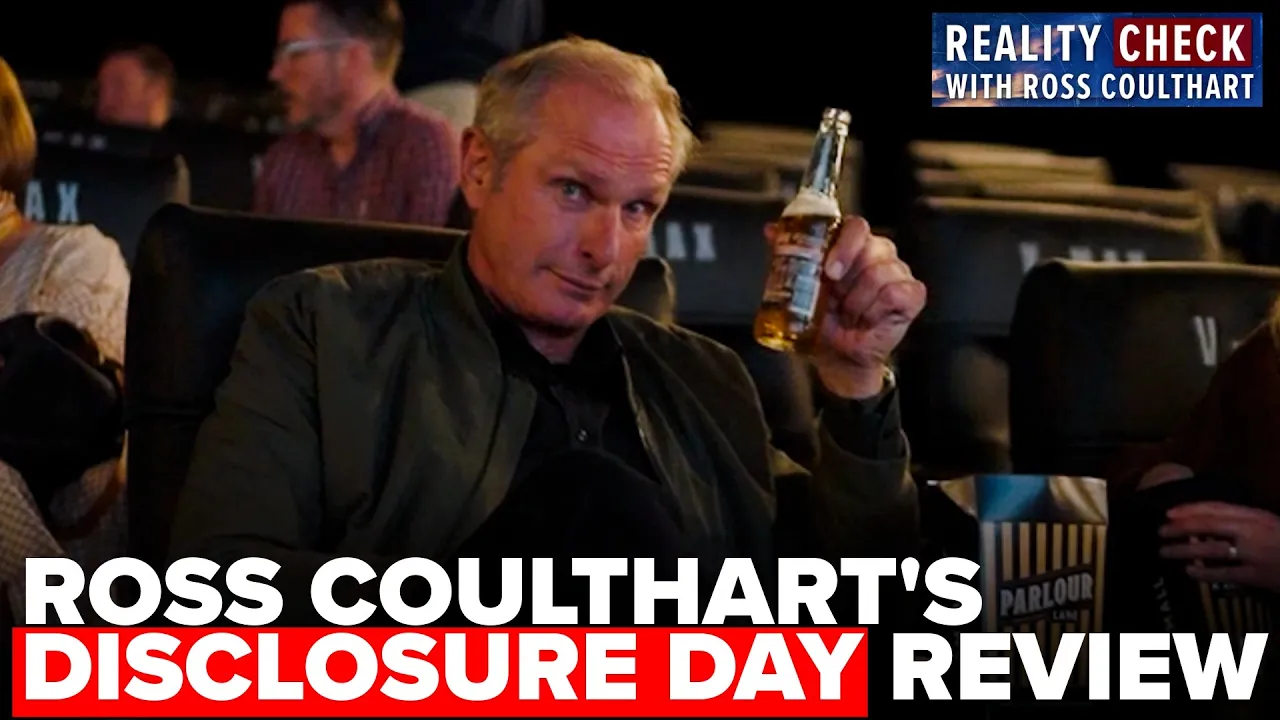
An expansive, cinematic look at the modern push for disclosure on unidentified aerial phenomena threads together whistleblower testimony, historic investigative reporting, and a blockbuster-tinged narrative about what the public deserves to know. Central figures include David Grush, a former NGA intelligence official who claims a long-running crash-retrieval program for non-human spacecraft and non-human biologics, arguing that transparency—not leaks—should drive disclosure. Veteran journalists like George Knapp recount decades of whistleblower moments—from Area 51 revelations with Bob Lazar to the Phoenix Lights—to illustrate how secrecy has shaped the UFO narrative. The exploration also delves into contested historical claims, such as a 1930s Magenta recovery tied to Vatican involvement, with a Vatican source noting no such records in archives. Another whistleblower, Jake Barber, describes direct retrievals of an egg-shaped craft, supported by unseen footage of the craft being hoisted by a helicopter and transported to a secure facility. The story traces official responses and governance changes, including ATIP, the ARROW office, and a rising congressional push for declassification of videos and documents. In parallel, Steven Spielberg’s Disclosure Day, a human-centered thriller, foregrounds the emotional and ethical stakes of disclosure and stars Coleman Domingo, Josh O’Connor, and Emily Blunt, with Spielberg asserting a belief that we are not alone. Across voices—government, press, and entertainment—the thread is clear: while proof may still be evolving, the case for truth-telling is growing louder, and the public’s right to know is increasingly hard to ignore.
Source: youtube.com