
Contested Disclosure: Inside the Elizondo–Gerb Debate Over UAP Transparency
To the point
People in the UAP/UFO community disagree about whether Luis Elizondo helped push a staged disclosure with possible NSC support and Hillary Clinton involvement, because the evidence is weak and timelines don’t match, which suggests internal power struggles among rival Pentagon and intelligence groups over how much to reveal, and experts urge careful, evidence-based discussion rather than labeling anyone as hero or villain.



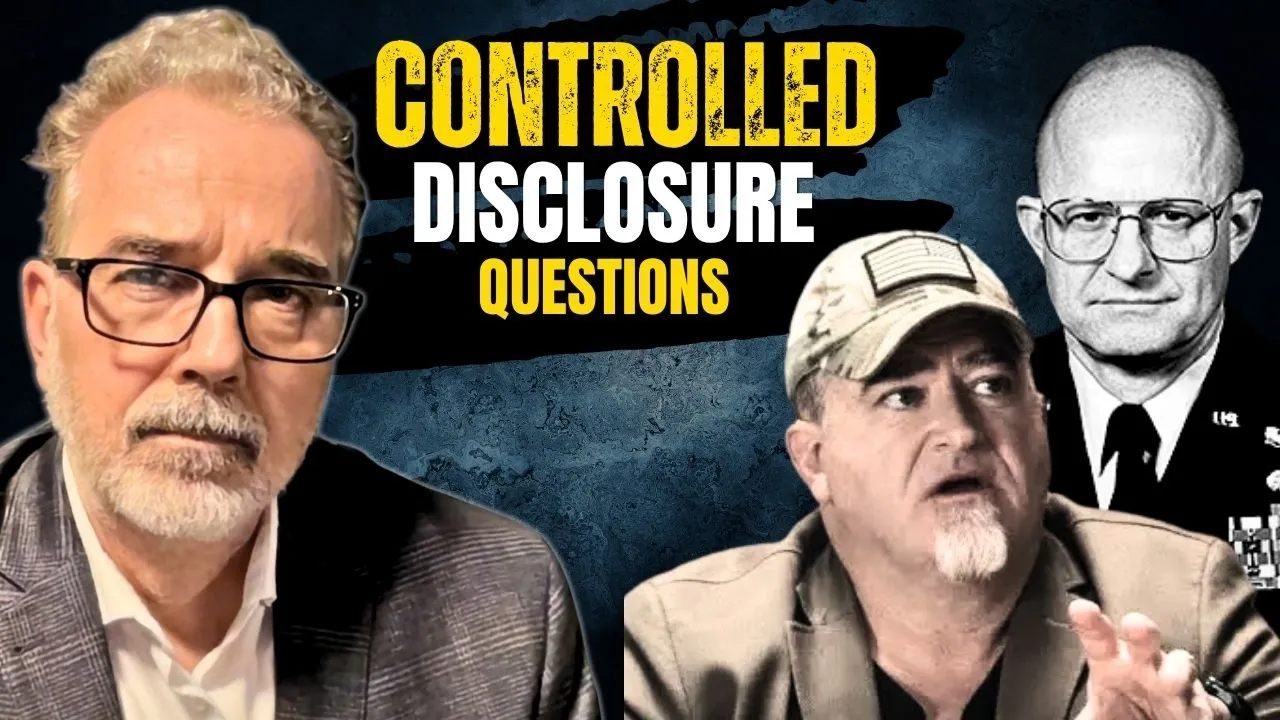
A controversial discussion within the UAP/UFO community centers on Ross Coulthart’s interview with UAP Gerb, which posits that Luis Elizondo helped steer a controlled-disclosure narrative, potentially involving a senior NSC role and a public opening led by Hillary Clinton. The narrator cautions that there is no public confirmation of such a position for Elizondo and treats the theory’s chronology and logic as questionable, insisting on careful examination of the links and evidence. Gerb’s framing of AATIP as an informal, unfunded cover for NSC UAP activities—including a crash-retrieval portfolio—alongside claims about James Clapper’s backing, is presented, but without documentary receipts, prompting calls for more substantiation. The timeline is further complicated by Elizondo’s 2019 public acknowledgement to Tucker Carlson that the government possessed UFO debris, which predates David Grusch’s 2023 disclosures and challenges the notion that Grusch alone forced a new level of openness. The speaker suggests that Elizondo may have created conditions for greater disclosure rather than acting as a front man for a coordinated campaign, while acknowledging Pentagon pushback against him as evidence of a broader internal struggle rather than a monolithic plan. The narrative is criticized for oversimplifying a complex Bureaucratic landscape into a single “controlled disclosure” scheme, and for not explaining why insiders would deliberately weaken safeguards or trigger a public confrontation. A factional view is favored, proposing that rival groups within the Pentagon and intelligence community have long debated how much openness to permit, with some seeking limited, strategic disclosures and others preserving secrecy. The speaker urges ongoing, evidence-based dialogue and cautions against hastily branding individuals as villains or heroes, while recognizing that credible insiders and documents may yet illuminate the full history.
Source: youtube.com