
DoD UFO Data Dump Prompts Debate on Transparency, Holding Tanks, and Possible Non-Human Biologics
To the point
The release of hundreds of DoD UFO files is framed as transparency rather than full disclosure, sparking debate over non-human biologics and credible cases like the 2004 Tic Tac encounter with Commander David Fravor, while emphasizing the need for verifiable evidence and ongoing journalism to push toward a clearer understanding.


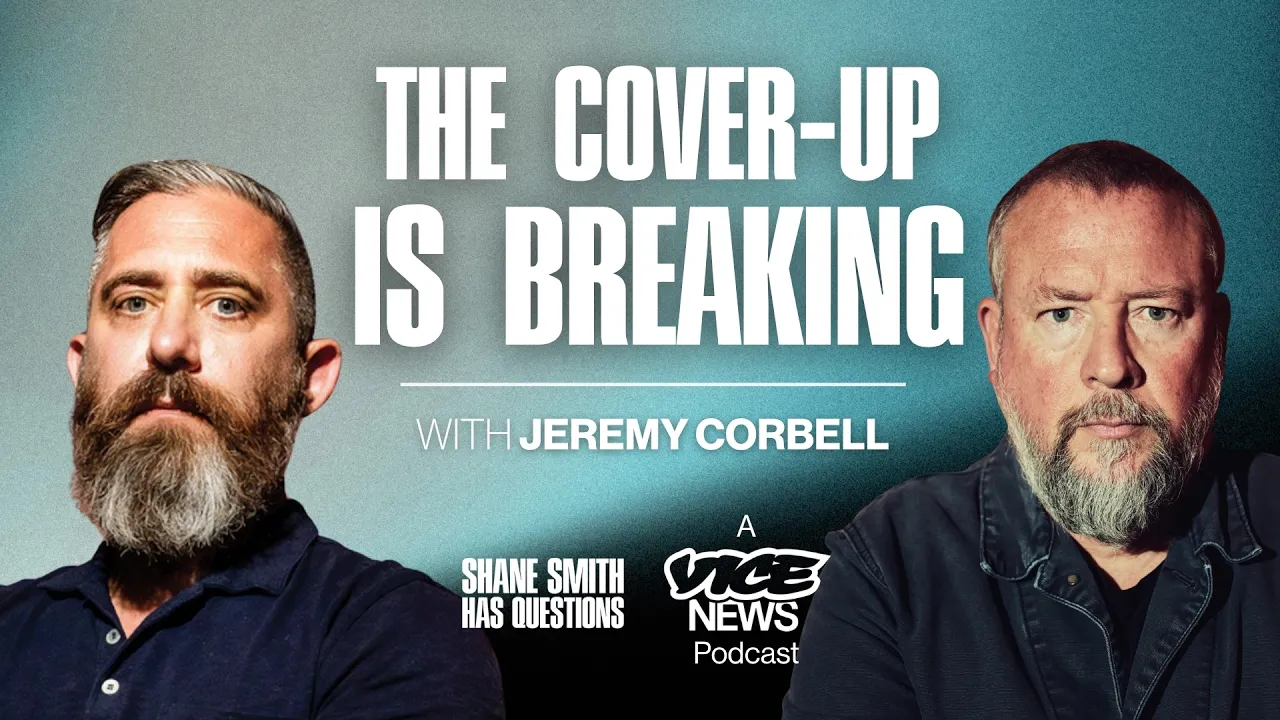
An unprecedented public data dump from the Department of Defense has released hundreds of UFO-related files and videos, some verified, and discussions center on opening the “holding tanks”—the crafts themselves and any biologics—within, described as non-human by insiders with direct knowledge. The hosts stress that while the releases attract immense public attention (roughly 500 million views in 14 hours), the move is transparency rather than full disclosure, and much remains to be proven or explained as new material surfaces. They weigh the discrepancy between Congress’s demand for 46 specific videos and what’s actually public, arguing that forthcoming presidential orders and ongoing investigations may yield fuller evidence, with the Sleeping Dogs documentary aiming to illuminate the challenges of reporting this story. Concrete cases like the 2004 Tic Tac encounter with Commander David Fravor, the Syria 2021 footage, and the Baghdad Phantom clip are cited as credible military footage illustrating phenomena such as instantaneous acceleration that defy easy explanation. The conversation also delves into the notion of biologics—pilots or occupants associated with these craft—and the possibility they are non-human, a topic highlighted by whistleblower David Grusch’s testimony and remarks involving Dr. Edgar Mitchell. They situate the issue within a broader geopolitical and historical frame—reverse engineering, the military-industrial complex, and cautionary mentions of potential cover-ups and the dangers faced by insiders, including disappearances and threats to whistleblowers like Dylan Borland. The debate touches on whether true disclosure would upend existing power structures or simply expand humanity’s understanding, with the speakers acknowledging the uncertain line between supply of data and the public's readiness to process it. They emphasize that even as science, technology, and consciousness evolve rapidly, open dialogue and credible, verifiable evidence are essential to navigate what these phenomena mean for humanity. The conversation closes on a call for continued collaboration to interpret future data dumps and for journalism to keep pressure on authorities until a fuller, more transparent account emerges.
Source: youtube.com