
Three Points on a 1952 Palomar Plate: Investigating Short-Lived Transients, Near-Earth Signatures, and Coordinated Follow-Up
To the point
A 1952 Palomar image shows three star-like points that appeared together for a short time and then vanished within an hour, and researchers compare many possible natural and artificial explanations while planning rechecks of old plates, digitized archives, and coordinated, multi-instrument follow-ups (including future networks and large surveys) to tell real near-Earth phenomena from artifacts or technosignatures.

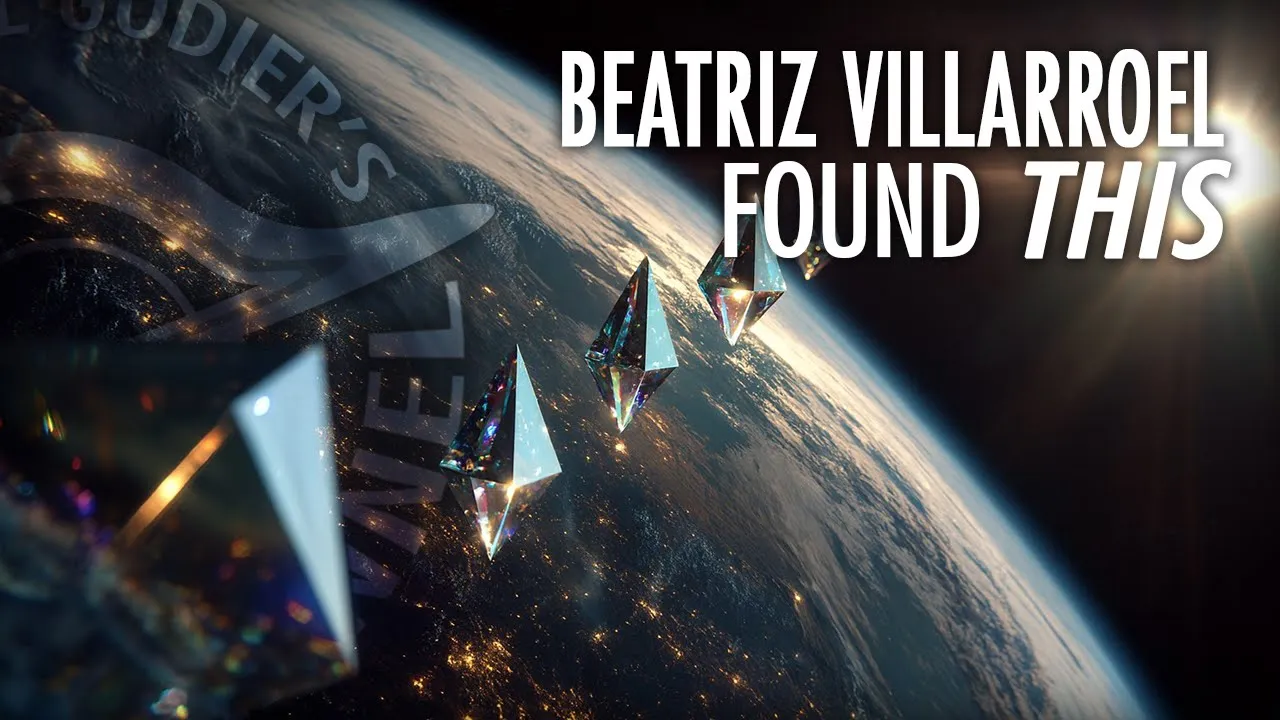
A remarkable discussion centers on a 1952 Palomar plate from Mount Palomar Observatory in which three star-like points appeared in one exposure and vanished in the next hour, raising questions about extremely short-lived transients that could illuminate processes from lensing to unknown near-Earth phenomena. The researchers emphasize that the objects look real, not plate flaws, and that their brightness was similar across the stars, with constraints suggesting the event happened within the solar system rather than at great distances. Numerous explanations are considered, from gravitational lensing and intrinsic fast transients to reflections, artificial sources, or even secret experiments, but none fit neatly, especially given the one-hour disappearance and the single-image appearance with no later counterpart. The team plans rigorous follow-up, including reexamining older plates, accessing digitized plate collections (potentially Vatican, Cremona, Harvard), and leveraging modern surveys to search for similar line-aligned or short-lived glints that could indicate near-Earth artifacts or technosignatures. They discuss ambitious projects like ExoProbe, which would deploy multiple small-telescope networks to capture coincident transients, measure parallaxes, and obtain spectral data in real time to distinguish human-made debris from potential extraterrestrial probes. The conversation also touches on larger shifts in the field: the Vera Rubin Observatory’s LSST era could enable real-time all-sky transient detection, while citizen-science collaborations (e.g., Vasco) help sift through archival plates to spot vanished stars or converging glints, potentially uncovering solar-system artifacts or rare astrophysical events such as failed supernovae or distant supernovae. Both scientists advocate remaining open to extraordinary possibilities, including near-Earth technosignatures, while acknowledging the stigma and funding hurdles faced by investigations into UAPs and alien probes, and stressing that robust, multi-instrument verification across sites is essential for any claims. The overarching message is that revisiting historical data with modern tools, combined with coordinated global observations, could reveal not only new astrophysical phenomena but also clues about possible extraterrestrial technology, all while highlighting the need for thoughtful, careful analysis and broad collaboration.
Source: youtube.com