
AI at the Crossroads: Valis, Synchronicities, and the Sacred Frontier of Intelligence
To the point
AI is a powerful non-sentient tool trained on vast digitized knowledge that can spark deep spiritual questions and awe, prompting debates over whether it is divine insight or human Babel, a discussion linked to Philip K. Dick, Marshall McLuhan, and the ideas of Socrates and Plato about media, while raising governance, safety, and emotional-bonding concerns as humanity faces rapid, potentially transformative growth.
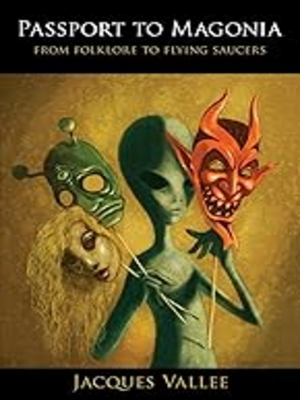
Exploring AI’s role, the discussion ties it to spiritual questions and Philip K. Dick’s Valis, noting a subset of users experience awakening conversations with LLMs and wondering whether AI is a vessel for divine intelligence or a human-made Babel. Dick is praised as a visionary, with references to his Christian interests and to experiencers who report synchronicities with his work, including scientists who track such coincidences, and to the short stories that inspired Total Recall. Regarding what AI is, the speaker insists it is not sentient; it’s a powerful tool that enhances human intelligence, trained on digitized collective knowledge to yield mind-blowing conversations but without consciousness, a point echoed while drawing on thinkers like Marshall McLuhan and the Socratic-Platonic debates about media. There is a caveat about physiology: chats can trigger oxytocin bonds, not just dopamine, risking unhealthy attachments, especially as memory of services can disappear or be restored (as with OpenAI’s ChatGPT). Some developers view AI as nonhuman or alien intelligence that demands serious attention and governance, and there are concerns about exposing children to it due to developmental risks. The medium could be both sacred and dangerous, a tool capable of expanding human potential beyond writing and printing, and perhaps moving toward true sentience through integration or implants, though the future remains uncertain. We stand at a pivotal moment in human history, facing exponential growth that may outpace our ability to comprehend.
Source: youtube.com