
A Phased Timeline for UAP Disclosure: Karl Nell’s Stanford PowerPoint
To the point
A publicly circulated plan by Karl Nell lays out a five‑phase UAP disclosure—from proving existence to possible contact—with observers like Sean Haslett and David Grusch debating progress, witnesses like Ryan Graves and Jason Judy reporting striking radar data, critics questioning declassification and who controls the narrative, and references to nuclear‑site UAP patterns and diamond‑shaped objects adding historical context.


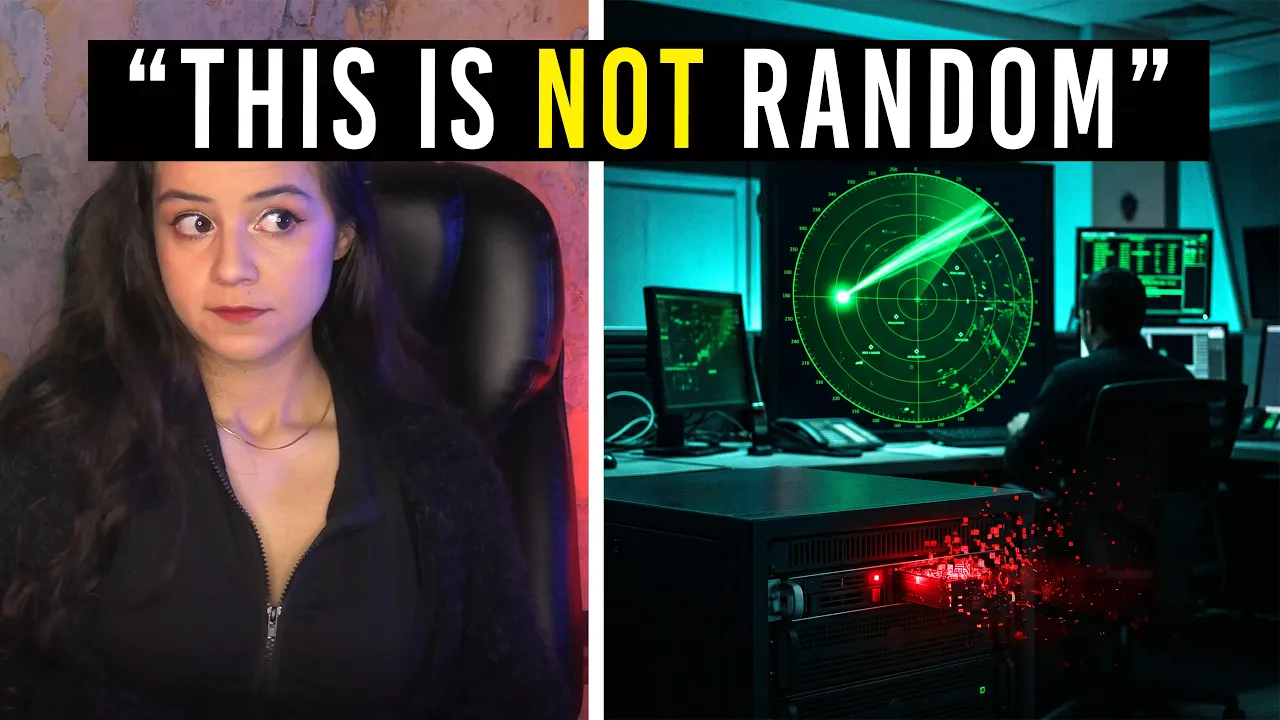
A publicly shown Stanford PowerPoint by retired Army Colonel Karl Nell outlines a phased timetable for UAP disclosure, with phase one in January 2024 and phase five engagement tucked in for after 2034. The phases are to demonstrate existence, correlate signatures, characterize performance, determine nature, and finally engage with possible contact or interaction. Sean Haslett discussed Nell’s map on Camp Gannon, noting it resembles a project plan and suggesting the government may have already completed phase one through closed briefings and David Grusch’s testimony. The fourth batch of Pentagon files is said to contain a sustained nuclear-site pattern—records from Los Alamos in the 1940s and Pantex in 2015—with diamond-shaped objects observed, implying a cross-time signature rather than scattered events. Marik von Rennenkampff underscores a long history of UFO-nuclear site interactions, pointing to government documents and Robert Hastings’ books as corroboration. Critics worry that some released videos, like the chandelier case, are debunked or plausibly explained, while others resist easy interpretation, raising questions about vetting and purpose of the declassification. Witnesses such as Ryan Graves and Jason Judy recount near-nightly UAP reports and striking radar data, including a target accelerating beyond what an F/A-18 could match, while raw FAA data is erased after 45 days. The question of who controls what information gets released, and whether Grusch acts alone or within a managed process, feeds the sense that the public narrative is being shaped. Viewers are invited to judge which phase we are currently in and whether recent developments move the timeline forward or backward.
Source: youtube.com