
Who Decides What Is Heard About UAP and Government Evidence?
To the point
Cristina Gomez guides viewers through a controversial mix of leaked UAP documents like the KORRECT files, claims of reverse‑engineering artifacts, rumors of a high‑power microwave weapon, testimony about crash retrieval and secret programs, and a slow, controlled disclosure timeline involving David Grusch, Gerb, Elizondo, and Karl Nell, inviting people to decide which parts seem credible.


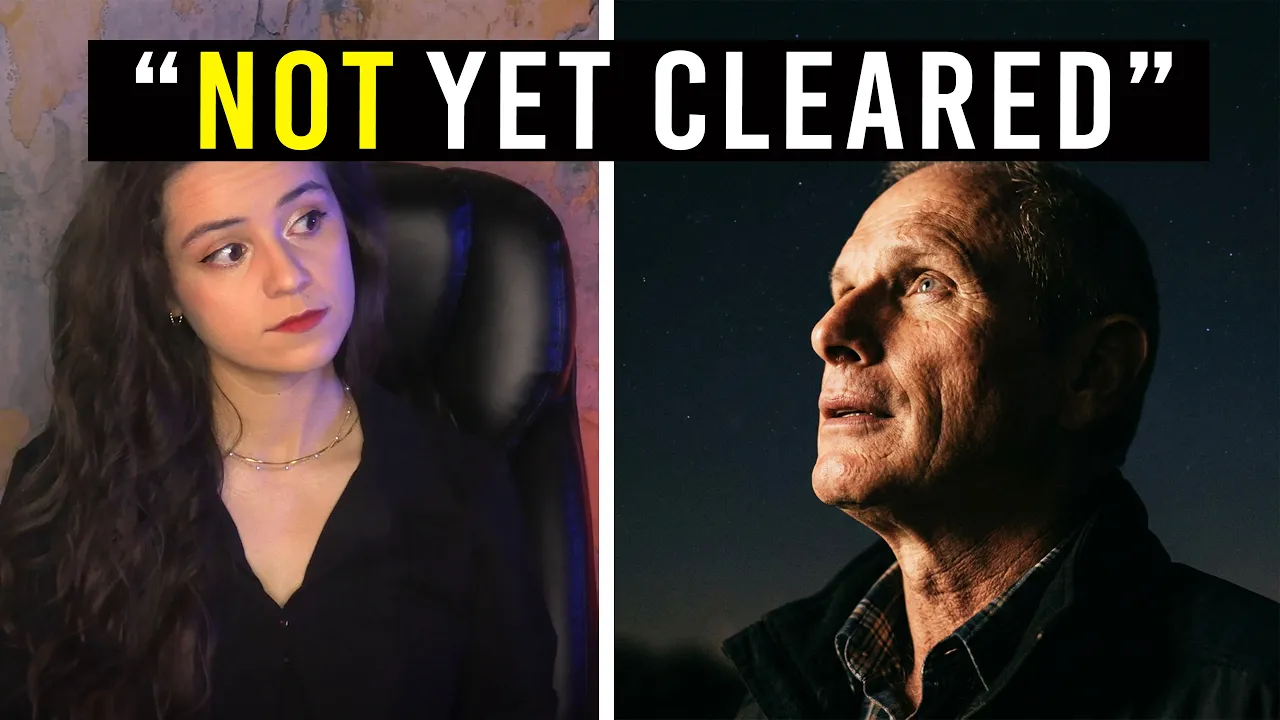
Cristina Gomez guides viewers through the central question of who gets to decide what is heard about UAP and government evidence. Leaks tied to the KORRECT files surface with diagrams of recovered and non-human hardware, notes on disassembly, and a self-executing symbolic language, first posted online in 2007 by someone claiming to have reverse-engineered a craft; while many dismissed them as hoaxes, a journalist argues the material contains a 1986 primer on ET artifacts and extraction methods. The host hints at a lead on who produced the documents but cannot reveal it yet, suggesting that if verified the pages could serve as provable evidence. A linked claim involves a weapon Trump allegedly described as a discombobulator using high-powered microwaves to disable enemy equipment during a Maduro raid. That technology—high-power microwaves—has been tied in rumors to downing craft and to Havana syndrome injuries, muddying the picture further. UAP researcher Gerb contends leaks are not rare, pointing to former Air Force officer David Grusch’s 2023 testimony about coordinated crash retrieval and reverse-engineering programs, with whistleblower complaints moving through the IC Inspector General. The discussion highlights a secretive, compartmentalized system with Special Access Programs and agencies like the National Underwater Reconnaissance Office, where access is restricted and some materials remain unreleased. The Elizondo storyline is tangled, with inconsistent official denials about his leadership of the program followed by partial confirmations, fitting a broader “controlled disclosure” model described by retired Colonel Karl Nell that sketches a long timeline to full disclosure. The host invites engagement to decide which element feels most compelling, asserting the core documents are not a hoax and signing off to continue coverage tomorrow.
Source: youtube.com