Trump–Obama Exchange Spurs Bipartisan Push for UAP Declassification

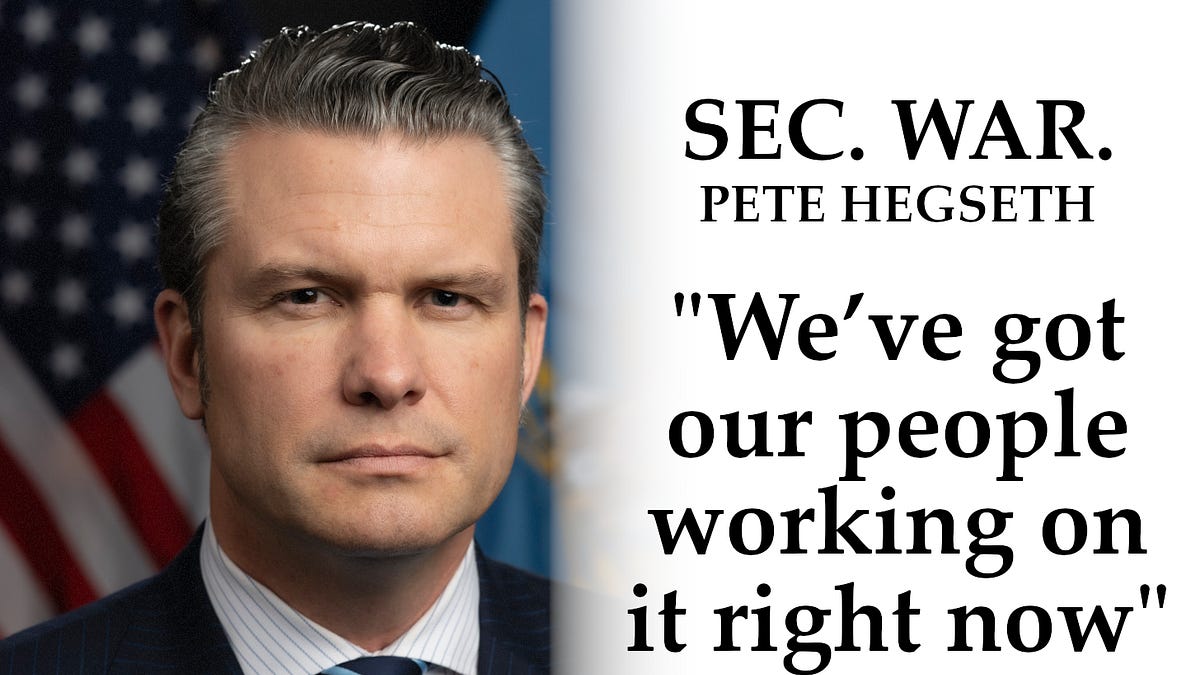
- A broad range of American political and security figures respond to a Trump–Obama exchange about extraterrestrials, UAPs, and government disclosures, framing it as a move toward transparency and declassification. - Official commitments and expectations: - The Director of National Intelligence (DNI) pledges accountability and declassification, signaling that files on alien life, UAPs, and related topics are forthcoming. - Secretary of War Pete Hegseth says work is underway to comply with the executive order and that more details will follow. - Congressional push for disclosure: - Rep. Jared Moskowitz accuses the administration of lying about UAPs, but also questions whether the president will declassify as promised; he cites video and documentary evidence and testifies from military and academic sources. - Rep. Anna Paulina Luna argues that briefings suggest advanced technology not created by humans, and she condemns denial of access to Congress by federal agencies; she and others call for rapid public release of documents and warn of whistleblower reprisals. - Rep. Dan Crenshaw and Rep. Suhas Subramanyam express agreement with the need for disclosure and releasing information to the public. - The general theme among lawmakers is bipartisan momentum to move information from classified channels into public view, though they acknowledge hurdles and oversight challenges. - Testimonies and expert voices: - Jay Stratton (former head of UAPTF) frames the disclosure moment as a landmark achievement and credits behind-the-scenes efforts. - Lue Elizondo notes ongoing efforts within the administration to reach answers, while highlighting unresolved issues such as unrecoverable drones. - Christopher Mellon cautions that declassification is complex and may be slow; he advocates for a legislative framework to structure a thorough and credible disclosure process. - Ryan Graves emphasizes transparency for aviation safety and public understanding, arguing that public access would support safety protocols and research. - International and psychological angles: - Aldo Rebelo signals reciprocity with Brazil if U.S. disclosures occur. - Dr. Jennice Vilhauer discusses the psychological impact of disclosure, noting that acknowledging UAPs could shift public perception and reduce stigma, affecting mental health and public discourse. - Overall, the coverage depicts a perceived turning point in which officials, legislators, and experts advocate for declassifying and publicly sharing information about UAPs and non-human technology, while acknowledging that significant procedural, legal, and safety considerations will shape how and when disclosures unfold. The piece signals continued monitoring of developments.
Source: sentinel-news.org