From UAP to an Earth-wide Contingency Plan for Alien Contact

From UAP to an Earth-wide Contingency Plan for Alien Contact

The piece analyzes what would happen if humanity actually made contact with extraterrestrial life and whether there is, or should be, a formal plan to handle it. It notes that ufology has moved from fringe to mainstream as UAP (unidentified anomalous phenomena) has drawn official attention in the US, with the Pentagon creating the All-Domain Anomaly Resolution Office (AARO) and Congress scrutinizing the issue as a defence and national-security matter. Despite this, there does not appear to be a coordinated, widely accepted Earth-wide contingency plan for contact. While some itches of planning exist in documents like a 2023 UK DSIT outline on “readiness for black swan scientific events” (which was drafted but paused in 2024), no binding, universal protocol appears to be in place. The discussion distinguishes between different meanings of “alien”—from microbial life to intelligent civilizations—because each scenario raises different questions: planetary protection and biosecurity for microbes, versus communication, interpretation, and governance for a detected radio signal or direct contact. Who would represent humanity or speak for Earth is also unsettled, with suggestions ranging from the United Nations (UNOOSA) to scientific or academic experts; past Royal Society meetings in 2010 explored the societal and religious implications of ET life, highlighting potential conflicts with faith and doctrine. The piece also revisits broader cautions and perspectives: theological viewpoints (e.g., a Vatican outlook on extraterrestrial life), warnings that encounters could be hostile (Stephen Hawking’s caveat and the Dark Forest idea), and historical reflections (Ronald Reagan’s line about uniting against a shared extraterrestrial threat). It underscores that if civilizations are far more advanced, their technology could surpass humanity’s by orders of magnitude, so assumptions about a peaceful, forgiving encounter are risky. Potential consequences span science, politics, religion, economy, and philosophy, with both dangers (contaminating ecosystems, alerting a hostile power, miscommunication) and opportunities (access to a “galactic internet” of knowledge and technologies). Given the uncertainty and high-impact nature of any contact, the piece advocates starting a dialogue about an alien-life contingency plan and invites readers to contribute ideas. It also notes that some experts, like Nick Pope, have longstanding experience evaluating national security implications of UFO sightings, underscoring the seriousness with which preparedness is being considered, even if a definitive playbook remains elusive.

Source: skyatnightmagazine.com
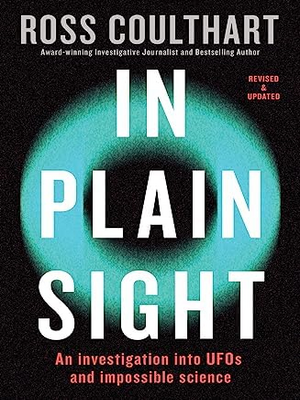
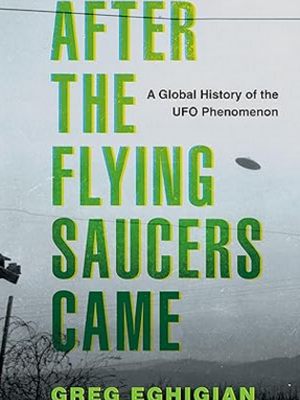
Our reading recommendations from Amazon: