UAP Discourse: Science, Policy, and the Disclosure Question

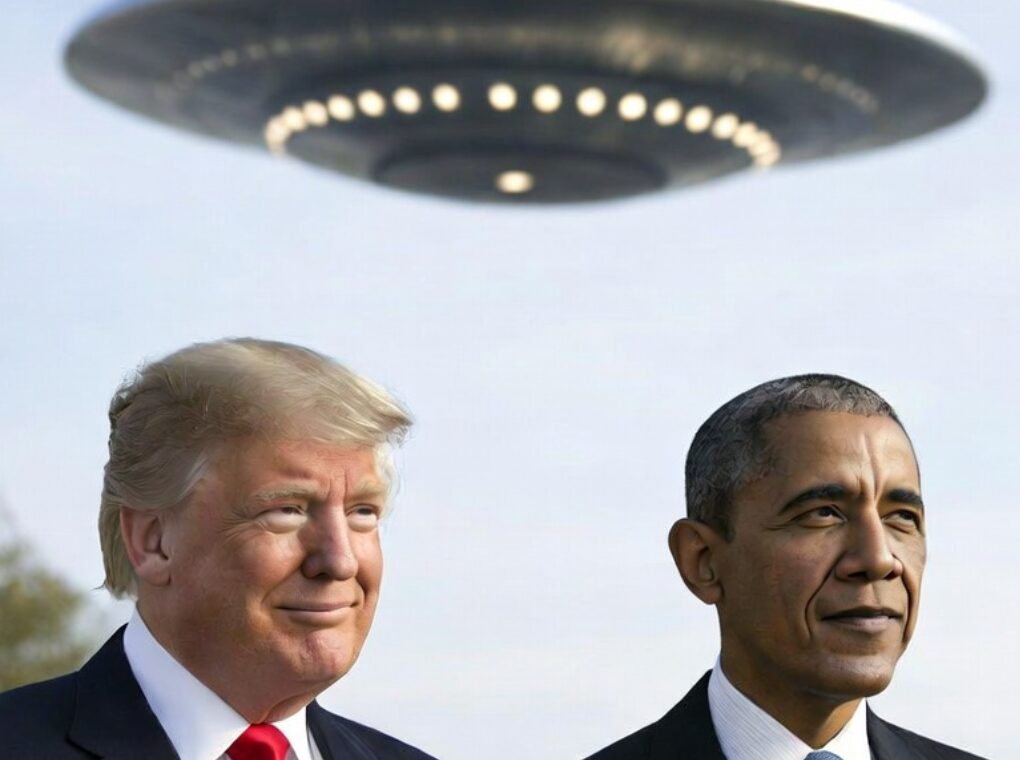
- The piece reviews a renewed public and political interest in unidentified aerial phenomena (UAPs), noting reports of 50–100 sightings per month in U.S. airspace and recent comments from Obama and Trump that have fueled speculation about disclosure. - It situates the UFO debate within culture and science, referencing pop culture portrayals of aliens and scientific questions about life beyond Earth, while emphasizing that there is no verified evidence of alien visitation. - Obama’s remarks were framed as probabilistic about extraterrestrial life, clarifying he did not reveal classified information; Trump responded by accusing Obama of disclosure and signaling plans to declassify related materials. - On the scientific front, scientists acknowledge that exoplanets are common and life could be plausible, but emphasize that probability is not proof. Notable caution comes from Hawking, and ISRO’s S. Somanath has expressed belief in likely life without evidence. - The most credible modern UAP case highlighted is the 2004 “Tic-Tac” incidents with the USS Nimitz and Navy pilots; in response, the Pentagon created the All-domain Anomaly Resolution Office (AARO) in 2022, and a 2024 AARO report found no evidence of extraterrestrial involvement, attributing most sightings to misidentifications or sensor anomalies. - A 2024 Pentagon review admitted that U.S. military programs during the Cold War deliberately fostered UFO myths to camouflage secret weapons projects, complicating current narratives of alien cover-ups. - The piece distinguishes between questions of extraterrestrial life versus visitation, stressing that current sightings are unexplained artifacts, not confirmed alien spacecraft, and outlines possible outcomes if declassification proceeds: confirmation of advanced terrestrial tech, foreign surveillance platforms, sensor issues, or ambiguous data—none of which amount to definitive proof of aliens. - The enduring mystery remains: science continues to search for biosignatures and investigate unexplained observations, but until verifiable evidence emerges, extraterrestrial visitation remains unproven, with disclosure potentially reshaping but not resolving the debate.
Source: tfiglobalnews.com