
COVID Origins Investigations and Oversight Reform: National Security Implications for the IC
To the point
Intelligence and public health policy have become entangled in ways that hid or distorted the origins of COVID, influenced by figures like Anthony Fauci, and the result is a call for stronger whistleblower protections, independent oversight, and clear rules governing risky virus research to prevent future cover-ups and safeguard public health.



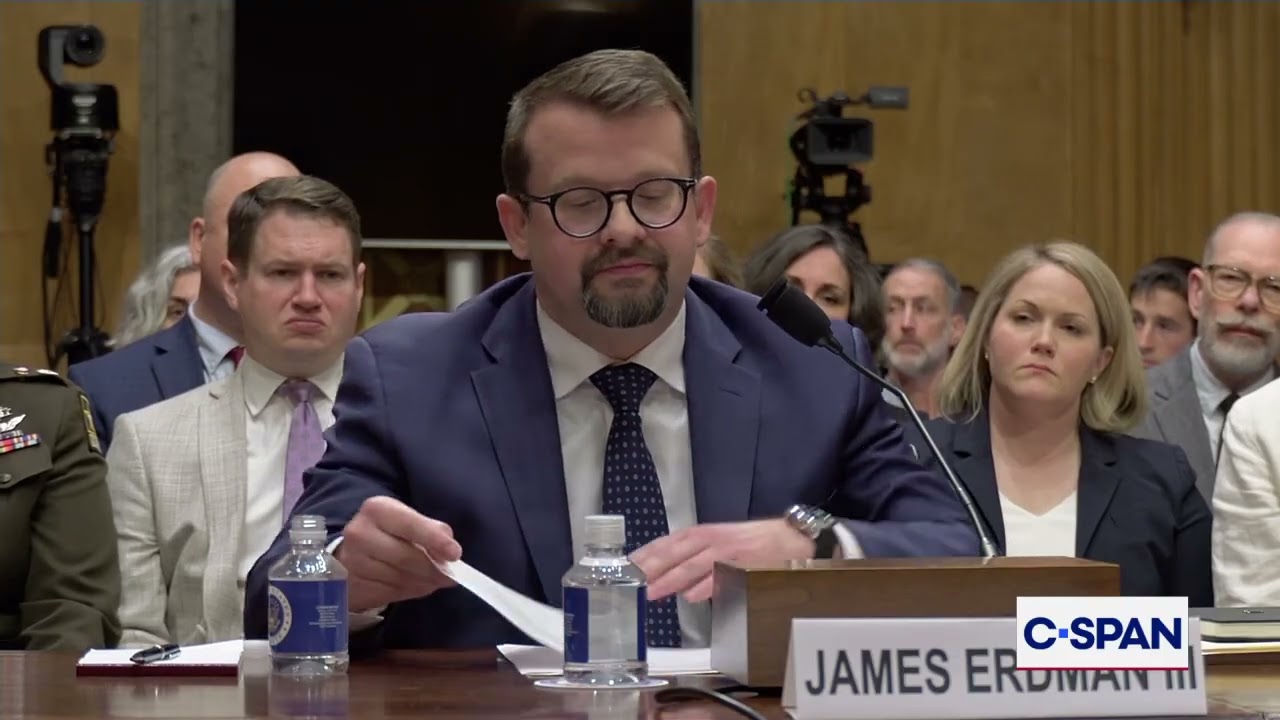
A former CIA operations officer on joint duty with the Office of the Director of National Intelligence Initiatives Group led investigations into COVID origins, anomalous health incidents, and unidentified anomalous phenomena from March 2025 to April 2026, and now discusses the COVID cover‑up and the national security implications of the DIG’s findings and CIA resistance to lawful oversight. Intelligence leaders and senior analysts downplayed the possibility of a lab-origin, with motives difficult to define, and the IC's actions are said to have produced a cover‑up, wasted resources, and a failure to properly inform policymakers, with public health policy potentially altered had it been clear that a virus from a lab in China underpinned certain emergency use authorization mRNA products. Dr. Anthony Fauci’s role in the cover‑up is described as intentional, shaping the analytical process by steering consultations toward a conflicted set of experts, including some authors of The Proximal Origin of SARS‑CoV‑2 and others in his orbit, many of whom had ties to bodies funded by NIAID and public health agencies and to the Biosciences and Public Health networks. The Biological Sciences Experts Group (BSEG) long influenced national biodefense and laboratory policy, with funding from NIAID and other agencies, involvement with vaccine research, USAID’s PREDICT, and the Cooperative Threat Reduction program, and collaborations with Chinese scientists; some members helped Fauci rewrite gain‑of‑function definitions in 2015 and participated in Event 201 in 2019, which was attended by Fauci and IC-connected figures including former DNI Avril Haines. After a 2023 relook, CIA decisions conflicted with subject‑matter experts’ conclusions about origins, and the CIA retaliated against analysts supporting the lab‑leak hypothesis; analysts faced administrative measures rather than bribery, while Director Gabbert’s oversight and the agency’s handling of oversight imposed changes to the way analyses were documented and reviewed. The narrative ties these issues to blurred post‑9/11 lines between public health and biodefense, an opaque, bloated policy and financial infrastructure, and a dangerous national security crisis born from the inability to provide proper oversight, including documented efforts to circumvent oversight. Whistleblowers are hailed as indispensable for reform, yet protections remain weak, with investigations often finding no wrongdoing and systems shifting accountability elsewhere; a reform proposes removing IG elements from agencies and placing them under a separate IC Inspector General with regular DOJ oversight. A practical path forward calls for a comprehensive review of government-funded life‑science research, a return to pre‑9/11 definitions of gain‑of‑function and WMD research in the IC and DHS, and robust oversight backed by teeth to enforce Executive Order 14292. The overarching message is that real accountability and strong protections for whistleblowers are essential to prevent future cover‑ups and to ensure responsible governance of scientific research within national security, without allowing intelligence work to undermine public health policy.
Source: youtube.com